Renal Capsule
The renal capsule is a tough, fibrous layer of connective tissue that surrounds the kidneys, providing structural support and protection. It plays a crucial role in maintaining the kidney’s shape and safeguarding it from external trauma and infection.
Key Takeaways
- The Renal Capsule is the innermost protective layer directly enveloping the kidney.
- It consists of several distinct layers, including the fibrous capsule, perirenal fat, and renal fascia.
- Its primary role is to protect the kidney from physical impact and the spread of infection.
- The capsule helps maintain the kidney’s characteristic bean shape and internal pressure.
What is the Renal Capsule?
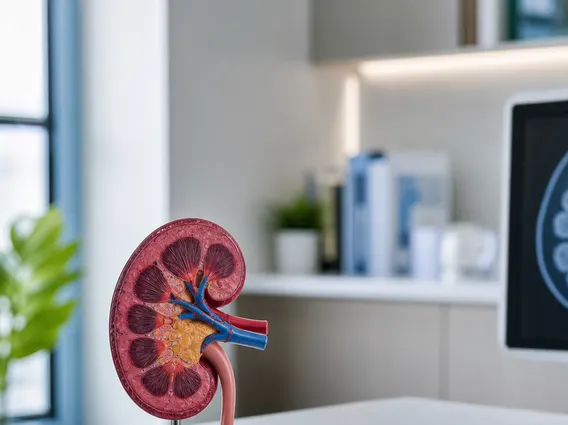
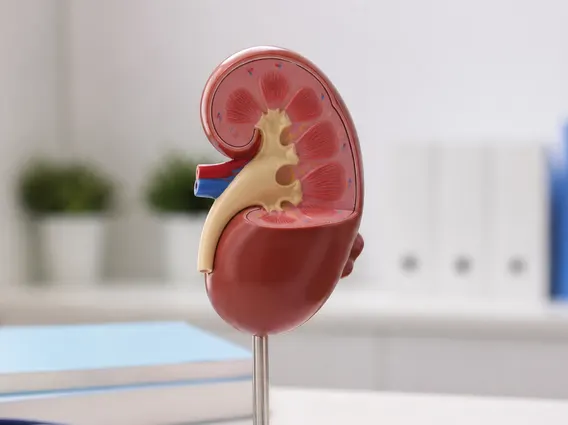
The Renal Capsule refers to the strong, transparent fibrous membrane that directly covers the outer surface of each kidney. This vital anatomical structure is an integral part of the kidney’s protective system, acting as a barrier against physical damage and the entry of pathogens. It is closely adhered to the kidney tissue, giving the organ its smooth, glistening appearance.
Positioned beneath layers of fat and fascia, the renal capsule is the innermost protective sheath. Its robust composition is essential for the kidney’s resilience, helping it withstand minor impacts and maintain its structural integrity within the retroperitoneal space of the abdominal cavity.
Anatomy and Layers of the Renal Capsule
The **renal capsule anatomy** is characterized by multiple concentric layers that collectively protect the kidney. While “renal capsule” often refers specifically to the innermost fibrous layer, the broader protective complex includes several distinct components. Understanding the **layers of the renal capsule** provides insight into the comprehensive defense system of the kidney.
- Fibrous Capsule: This is the true renal capsule, a thin, tough, and transparent layer of dense irregular connective tissue that directly adheres to the kidney’s outer surface. It acts as the primary barrier against trauma and infection.
- Perirenal Fat (Adipose Capsule): Surrounding the fibrous capsule is a layer of adipose tissue. This fat provides cushioning and shock absorption, further protecting the kidney from physical blows and helping to hold it in place.
- Renal Fascia (Gerota’s Fascia): An outer layer of connective tissue that encloses both the kidney and the perirenal fat. It anchors the kidney to the posterior abdominal wall and separates it from surrounding structures.
- Pararenal Fat: Located external to the renal fascia, this outermost layer of fat provides additional cushioning and support, although it is not as intimately associated with the kidney as the perirenal fat.
These layers work in concert to provide a multi-faceted protective environment for the delicate renal tissue, ensuring its proper function and safeguarding it from external threats.
Renal Capsule Function
The primary renal capsule function is to provide robust protection for the kidney. Its tough, fibrous nature serves as a physical barrier, shielding the delicate internal structures of the kidney from external trauma, such as impacts or pressure. This protective role is crucial for an organ that processes a significant volume of blood and performs vital filtration tasks.
Beyond physical protection, the renal capsule also plays a significant role in preventing the spread of infection. By encapsulating the kidney, it helps to contain any potential infections within the organ, limiting their spread to surrounding tissues. Furthermore, the capsule helps to maintain the kidney’s characteristic bean shape and supports the internal pressure of the renal parenchyma, which is essential for the organ’s normal physiological processes.