Distal Pancreatectomy
Distal pancreatectomy is a significant surgical procedure involving the removal of a portion of the pancreas. It is typically performed to address various conditions affecting the body and tail of this vital organ.
Key Takeaways
- Distal pancreatectomy removes the body and tail of the pancreas, often along with the spleen.
- It is indicated for tumors, cysts, and pancreatitis affecting the distal pancreas.
- The procedure can be open, laparoscopic, or robotic, influencing recovery.
- Recovery involves hospital stay, pain management, dietary adjustments, and monitoring for complications.
- Potential long-term effects include diabetes and exocrine pancreatic insufficiency.
What is Distal Pancreatectomy: Definition and Indications
Distal pancreatectomy refers to a surgical procedure where the body and tail of the pancreas are removed. This operation often includes the removal of the spleen (splenectomy) due to its close anatomical proximity and shared blood supply with the tail of the pancreas. The goal is to excise diseased tissue while preserving as much healthy pancreatic function as possible.
This surgery is performed for several reasons for distal pancreatectomy, primarily to treat conditions localized to the distal (left) portion of the pancreas. The primary indications include:
- Neuroendocrine tumors (NETs) of the pancreas, especially non-functional ones or those causing symptoms.
- Cystic neoplasms, such as mucinous cystic neoplasms (MCNs) or intraductal papillary mucinous neoplasms (IPMNs) that have high-risk features or are malignant.
- Pancreatic adenocarcinoma, when confined to the body or tail and deemed resectable.
- Severe, localized chronic pancreatitis that has not responded to other treatments and causes persistent pain.
- Trauma to the distal pancreas.
According to the National Cancer Institute, pancreatic cancer, a common indication for such surgery, is projected to be the third leading cause of cancer-related death in the United States.
The Distal Pancreatectomy Procedure Explained
The distal pancreatectomy procedure explained involves the surgical removal of the affected part of the pancreas. The specific approach can vary based on the patient’s condition, the surgeon’s expertise, and the characteristics of the lesion.
Surgical approaches commonly employed include:
- Open Surgery: This traditional method involves a single, larger incision across the abdomen, providing the surgeon with a wide view of the surgical field. It is often chosen for larger tumors or more complex cases.
- Laparoscopic Surgery: This minimally invasive approach uses several small incisions through which a camera and specialized instruments are inserted. This method typically results in less pain, smaller scars, and a quicker initial recovery.
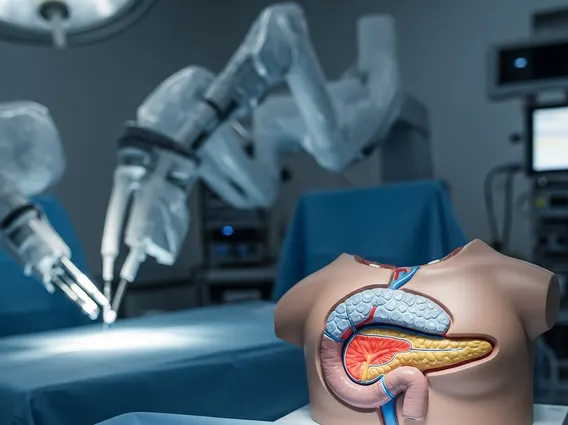
- Robotic Surgery: Similar to laparoscopic surgery, robotic-assisted distal pancreatectomy utilizes a robotic system controlled by the surgeon. This can offer enhanced precision and dexterity, particularly for intricate dissections.
During the procedure, the surgeon carefully detaches the body and tail of the pancreas from surrounding structures, often ligating blood vessels and sealing the remaining pancreatic stump. If a splenectomy is performed concurrently, the spleen is also removed. The choice of technique impacts the duration of the surgery and the immediate post-operative experience.
Recovery After Distal Pancreatectomy Surgery
Recovery after distal pancreatectomy surgery begins in the hospital, typically lasting 5 to 10 days, depending on the surgical approach and any complications. Patients will receive pain management, intravenous fluids, and close monitoring for signs of infection, bleeding, or pancreatic fistula, which is a leakage of pancreatic fluid. Early mobilization, such as walking, is encouraged to prevent complications like blood clots and pneumonia.
Long-term recovery and potential complications require ongoing management:
- Dietary Adjustments: Patients usually start with a liquid diet and gradually advance to solid foods. Some may require pancreatic enzyme supplements to aid digestion, especially if a significant portion of the pancreas was removed.
- Diabetes: Since the pancreas produces insulin, removing part of it can impair insulin production, potentially leading to new-onset diabetes or worsening existing diabetes. This requires careful monitoring of blood sugar levels and, in some cases, insulin therapy.
- Pancreatic Fistula: This is a significant complication where digestive fluids leak from the surgical site. It can prolong hospital stay and require additional interventions.
- Exocrine Pancreatic Insufficiency: Reduced production of digestive enzymes can lead to malabsorption and weight loss, necessitating enzyme replacement therapy.
- Splenectomy Considerations: If the spleen was removed, patients are at a higher risk of certain infections and will require specific vaccinations to protect against encapsulated bacteria.
Full recovery can take several weeks to months, during which patients gradually regain strength and return to normal activities. Regular follow-up appointments with the surgical team and an endocrinologist, if diabetes develops, are crucial for managing long-term health.