Diaphragmatic Breathing
Diaphragmatic Breathing, also known as abdominal breathing, is a fundamental technique that engages the diaphragm, a dome-shaped muscle located at the base of the lungs, to facilitate deeper and more efficient respiration. This method is widely recognized for its potential to promote relaxation and improve overall respiratory function.
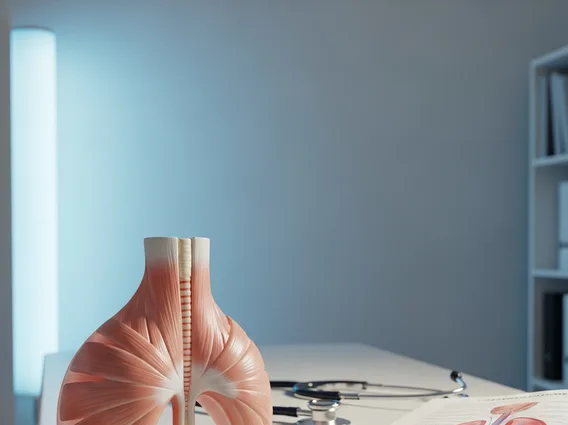
Key Takeaways
- Diaphragmatic Breathing is a technique that utilizes the diaphragm for deeper, more efficient breaths.
- Practicing this form of breathing can lead to numerous health benefits, including stress reduction and improved oxygen exchange.
- It involves consciously engaging the abdominal muscles to draw air deep into the lungs.
- Regular practice can enhance relaxation, lower heart rate, and support overall well-being.
What is Diaphragmatic Breathing?
Diaphragmatic Breathing refers to a specific breathing exercise that strengthens the diaphragm and encourages full oxygen exchange. Unlike shallow chest breathing, which primarily uses accessory muscles in the neck and shoulders, diaphragmatic breathing involves drawing air deep into the lungs by contracting the diaphragm. As the diaphragm contracts, it moves downward, creating more space in the chest cavity for the lungs to expand. This action causes the abdomen to rise, making it a visible indicator of proper technique. This method is often taught in clinical settings to help patients improve lung function and manage stress, highlighting the crucial importance of understanding this breathing technique for respiratory health.
Engaging the diaphragm effectively allows for a greater volume of air to enter the lungs, particularly the lower lobes, where blood flow is often more robust. This improved ventilation-perfusion matching can lead to more efficient oxygen delivery to the bloodstream and better removal of carbon dioxide. It is a cornerstone technique in various therapeutic practices, including pulmonary rehabilitation and stress management programs, due to its profound impact on the autonomic nervous system.
Benefits of Diaphragmatic Breathing
The **benefits of diaphragmatic breathing** extend beyond simple respiratory improvement, impacting both physical and mental well-being. Regular practice can significantly reduce physiological responses to stress, such as decreased heart rate and blood pressure. For instance, studies have shown that diaphragmatic breathing can activate the parasympathetic nervous system, promoting a state of calm and relaxation. This activation helps counteract the “fight or flight” response associated with chronic stress.
Furthermore, this breathing technique can enhance core muscle stability, as the diaphragm works in conjunction with other core muscles. It also plays a role in improving digestive function by gently massaging internal organs during the breathing process. Individuals with chronic obstructive pulmonary disease (COPD) or asthma often find that incorporating diaphragmatic breathing into their daily routine helps manage symptoms and improve breathing efficiency. According to the American Lung Association, breathing exercises, including diaphragmatic breathing, can help individuals with lung conditions strengthen their respiratory muscles and improve their quality of life.
- Reduces stress and anxiety by activating the parasympathetic nervous system.
- Lowers heart rate and blood pressure, promoting cardiovascular health.
- Improves lung efficiency and oxygen exchange throughout the body.
- Strengthens the diaphragm and other core muscles.
- Enhances relaxation and sleep quality.
Diaphragmatic Breathing Techniques Explained
Mastering **diaphragmatic breathing techniques explained** involves conscious practice and attention to your body’s movements. The goal is to shift from shallow chest breathing to deeper abdominal breathing. Here is a step-by-step guide for practicing diaphragmatic breathing:
- Find a Comfortable Position: Lie on your back with your knees bent and a pillow under your head, or sit upright in a chair with good posture. Place one hand on your upper chest and the other on your abdomen, just below your rib cage.
- Inhale Slowly: Breathe in slowly through your nose, allowing your abdomen to rise as your diaphragm contracts and pulls air into your lungs. The hand on your chest should remain relatively still, while the hand on your abdomen should rise.
- Exhale Gently: Exhale slowly through pursed lips, gently tightening your abdominal muscles to push the air out. The hand on your abdomen should move inward.
- Repeat and Focus: Continue this pattern, focusing on the movement of your abdomen and the stillness of your chest. Aim for smooth, controlled breaths.
- Practice Regularly: Start with 5-10 minutes of practice a few times a day, gradually increasing the duration as you become more comfortable.
Consistent practice is key to making diaphragmatic breathing a natural habit. Over time, this technique can become your default breathing pattern, even during daily activities, leading to sustained physiological and psychological benefits. It’s important to perform these exercises in a relaxed environment to maximize their effectiveness.