Cva
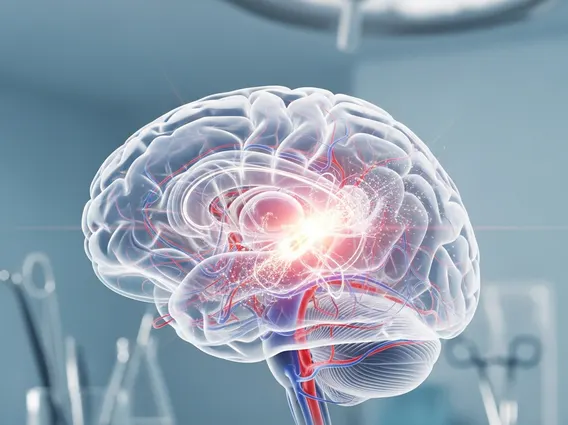
Cerebrovascular Accident (CVA), commonly known as a stroke, is a critical medical emergency that occurs when blood flow to a part of the brain is interrupted or reduced, depriving brain tissue of oxygen and nutrients.
Key Takeaways
- CVA, or stroke, is a severe medical emergency caused by a disruption of blood flow to the brain.
- There are two primary types: ischemic (due to a blockage) and hemorrhagic (due to bleeding).
- Recognizing sudden symptoms like facial drooping, arm weakness, or speech difficulty (FAST) is crucial for prompt medical intervention.
- Immediate diagnosis and treatment are vital to minimize brain damage and improve patient outcomes.
What is CVA (Cerebrovascular Accident)?
A CVA meaning and definition refers to a medical condition where the blood supply to a part of the brain is suddenly cut off, leading to brain cell death. This interruption can be caused by a blockage or the rupture of a blood vessel. When brain cells are deprived of oxygen and nutrients, they begin to die within minutes, leading to lasting neurological damage. Recognizing the signs and symptoms of a CVA is critical, as prompt medical attention can significantly reduce the extent of brain damage and improve recovery prospects. According to the Centers for Disease Control and Prevention (CDC), stroke is a leading cause of serious long-term disability in the United States, affecting hundreds of thousands of people annually and underscoring the importance of understanding this condition.
CVA Causes and Symptoms
The underlying CVA causes and symptoms vary depending on the type of stroke. Ischemic strokes, which account for about 87% of all CVAs, are typically caused by blood clots that block arteries supplying blood to the brain. These clots can form in the brain’s blood vessels or travel from other parts of the body, such as the heart or neck arteries. Hemorrhagic strokes, on the other hand, occur when a blood vessel in the brain ruptures, causing bleeding into the surrounding brain tissue. This bleeding can result from high blood pressure, aneurysms, or arteriovenous malformations (AVMs).
Symptoms of a CVA often appear suddenly and require immediate medical attention. Common signs include:
- Face drooping: One side of the face may droop or feel numb.
- Arm weakness: One arm may be weak or numb, making it difficult to raise both arms equally.
- Speech difficulty: Speech may be slurred, or the person may have trouble understanding speech.
- Sudden confusion: Difficulty speaking or understanding.
- Sudden numbness or weakness: Especially on one side of the body.
- Sudden trouble seeing: In one or both eyes.
- Sudden trouble walking: Dizziness, loss of balance or coordination.
- Sudden severe headache: With no known cause.
Healthcare professionals often use the acronym FAST (Face, Arm, Speech, Time) to help people remember the key symptoms and the urgency of calling emergency services.
Types of CVA and Treatment Options
Understanding the Types of CVA and treatment is essential for effective management and recovery. As mentioned, the two main categories are ischemic and hemorrhagic strokes, each requiring distinct therapeutic approaches. Ischemic strokes are treated by restoring blood flow to the brain. This can involve medications or procedures:
- Thrombolytic drugs: Medications like tissue plasminogen activator (tPA) can dissolve blood clots, but must be administered within a few hours of symptom onset.
- Mechanical thrombectomy: A procedure where a catheter is used to physically remove a large blood clot from a brain artery.
Hemorrhagic strokes, which involve bleeding in the brain, require treatments focused on controlling the bleeding, reducing pressure on the brain, and managing complications. Treatment options may include:
- Surgery: To repair ruptured blood vessels, clip aneurysms, or remove accumulated blood.
- Medications: To lower blood pressure, reverse the effects of blood thinners, or control seizures.
- Endovascular procedures: Such as coiling, where a catheter is used to place tiny coils into an aneurysm to block blood flow and prevent rupture.
Following initial emergency treatment, rehabilitation is a crucial component of recovery for all CVA patients. This often includes physical therapy, occupational therapy, and speech therapy to help regain lost functions and improve quality of life.