Stage Ii Perihilar Bile Duct Cancer
Stage II Perihilar Bile Duct Cancer is a specific type of cancer affecting the bile ducts near the liver, characterized by its localized but more advanced spread compared to earlier stages. Understanding this condition is crucial for patients and their families to navigate diagnosis and treatment options effectively.
Key Takeaways
- Stage II Perihilar Bile Duct Cancer involves a tumor that has grown beyond the bile duct wall but has not spread to distant sites.
- Common symptoms include jaundice, abdominal pain, and unexplained weight loss, often appearing as the disease progresses.
- Diagnosis typically involves imaging, biopsies, and blood tests to confirm the stage and extent of the cancer.
- Treatment often includes surgery, chemotherapy, and radiation therapy, tailored to the individual patient’s condition.
- Prognosis is influenced by factors such as tumor resectability, overall health, and response to treatment.
What is Stage II Perihilar Bile Duct Cancer?
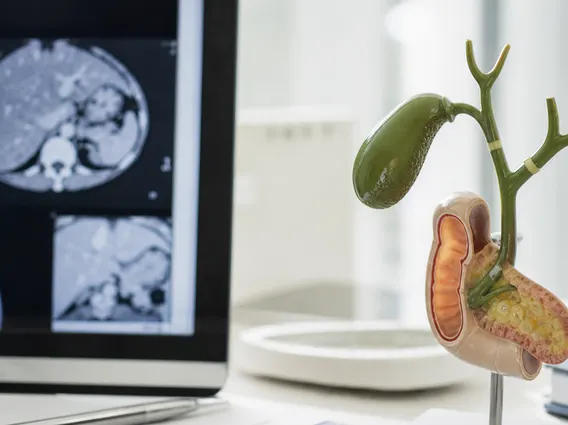
Stage II Perihilar Bile Duct Cancer refers to a specific classification of cholangiocarcinoma, a rare and aggressive cancer originating in the bile ducts. Perihilar bile duct cancer, also known as Klatskin tumor, develops in the bile ducts located outside the liver but close to it, where the left and right hepatic ducts join. In stage 2 perihilar bile duct cancer, the tumor has grown beyond the wall of the bile duct and may involve surrounding fatty tissue or liver tissue, but it has not spread to major blood vessels, nearby lymph nodes, or distant organs. This staging indicates a locally advanced disease that is still potentially resectable in some cases.
Symptoms of Stage II Perihilar Bile Duct Cancer
The stage ii perihilar bile duct cancer symptoms often develop gradually and can be non-specific in their early stages, making diagnosis challenging. As the tumor grows and obstructs the bile ducts, more noticeable signs typically emerge. The most common symptom is jaundice, characterized by a yellowing of the skin and whites of the eyes, caused by the buildup of bilirubin in the blood. This obstruction can also lead to dark urine and pale stools.
Other symptoms may include:
- Abdominal pain or discomfort, usually in the upper right quadrant.
- Unexplained weight loss and loss of appetite.
- Itching (pruritus) due to bile salt accumulation under the skin.
- Nausea and vomiting.
- Fever and chills, which can indicate an infection in the obstructed bile ducts (cholangitis).
These symptoms warrant prompt medical evaluation to determine their cause.
Treatment and Prognosis for Stage II Perihilar Bile Duct Cancer
The treatment for stage 2 perihilar bile duct cancer is complex and typically involves a multidisciplinary approach, often led by a team of oncologists, surgeons, and radiation therapists. Surgical resection, which involves removing the tumor along with parts of the bile duct and sometimes adjacent liver tissue, is considered the primary curative option if the tumor is resectable. However, due to the tumor’s location and potential involvement of critical structures, complete surgical removal can be challenging.
Following surgery, or if surgery is not feasible, other treatments may be employed. Chemotherapy, often using drugs like gemcitabine and cisplatin, can be used to kill cancer cells, reduce tumor size, or prevent recurrence. Radiation therapy may also be utilized to target cancer cells in the tumor area. Palliative care, focusing on symptom management and improving quality of life, is also an important aspect of treatment, especially for advanced cases or to manage complications like bile duct obstruction.
The stage ii perihilar bile duct cancer prognosis varies significantly among individuals and depends on several factors. Key prognostic indicators include the resectability of the tumor, the extent of spread to surrounding tissues, the presence of positive surgical margins, and the patient’s overall health and response to treatment. While Stage II indicates a more advanced local disease than Stage I, it still offers a chance for long-term survival, particularly if complete surgical removal is achieved. Regular follow-up and ongoing monitoring are crucial for managing the disease and detecting any recurrence.