Diagnostic Procedure
A diagnostic procedure is a crucial step in modern healthcare, involving various tests and examinations designed to identify the presence, nature, and extent of a medical condition. These procedures are fundamental for accurate diagnosis, guiding effective treatment strategies, and ultimately improving patient outcomes.

Key Takeaways
- A Diagnostic Procedure is a medical test or examination used to identify diseases or assess health status.
- The primary purpose of diagnostic testing is to confirm diagnoses, screen for conditions, and monitor disease progression.
- Procedures encompass a wide range, including laboratory tests, imaging studies, and biopsies.
- They work by collecting and analyzing data from the body to provide insights into physiological functions and abnormalities.
- Accurate diagnostic procedures are essential for informed medical decisions and effective patient care.
What is a Diagnostic Procedure?
A Diagnostic Procedure refers to any medical test or examination performed to identify the presence of a disease, assess its stage, or monitor its progression. These procedures are integral to clinical practice, enabling healthcare professionals to gather objective information about a patient’s health. By providing concrete evidence, they help confirm or rule out suspected conditions, differentiate between similar diseases, and establish a baseline for treatment planning.
The insights gained from these procedures are vital for making informed decisions regarding patient care. Without accurate diagnostics, treatment could be delayed, misdirected, or ineffective, highlighting their indispensable role in guiding therapeutic interventions and improving overall prognosis.
Purpose and Types of Diagnostic Procedures
The purpose of diagnostic testing is multifaceted, serving several critical functions within healthcare. Primarily, these tests aim to confirm a suspected diagnosis based on a patient’s symptoms and medical history. They are also used for screening, identifying diseases in individuals who may not yet show symptoms, which is particularly important for conditions like certain cancers or metabolic disorders. Furthermore, diagnostic procedures are essential for monitoring the progression of a known disease or evaluating the effectiveness of ongoing treatment, allowing clinicians to adjust therapies as needed.
There is a broad spectrum of types of medical diagnostic procedures, each designed to provide specific information about the body. These can be broadly categorized as follows:
- Laboratory Tests: Analysis of bodily fluids (blood, urine, cerebrospinal fluid) or tissue samples to detect abnormalities, infections, or markers of disease.
- Imaging Studies: Techniques like X-rays, Computed Tomography (CT) scans, Magnetic Resonance Imaging (MRI), and ultrasound to visualize internal structures and identify anomalies.
- Endoscopic Procedures: Involve inserting a thin, flexible tube with a camera into the body to examine internal organs, such as colonoscopy for the colon or gastroscopy for the stomach.
- Biopsies: The removal of a small tissue sample from the body for microscopic examination, often used to diagnose cancer or inflammatory conditions.
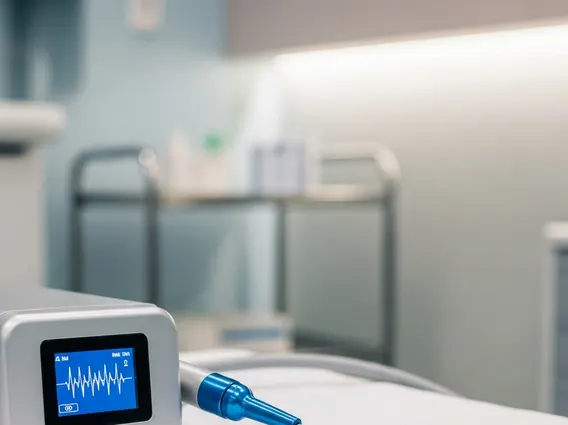
- Functional Tests: Measure the performance of organs or systems, such as electrocardiograms (ECG) for heart activity or electroencephalograms (EEG) for brain activity.
According to the World Health Organization (WHO), access to accurate and timely diagnostics is a cornerstone of effective healthcare systems, enabling early detection and intervention that can significantly reduce disease burden globally.
How Diagnostic Procedures Work
Understanding how do diagnostic procedures work involves recognizing the underlying principles by which they gather and interpret information about the body. Fundamentally, these procedures operate by collecting data through various means, which is then analyzed to reveal insights into a patient’s health status. For instance, laboratory tests involve collecting samples like blood or urine, which are then processed to measure specific biomarkers, cell counts, or the presence of pathogens.
Imaging procedures, on the other hand, utilize different forms of energy (e.g., X-rays, magnetic fields, sound waves) to create visual representations of internal organs and tissues. These images are then interpreted by radiologists or other specialists to identify structural abnormalities. Similarly, functional tests record physiological responses, such as electrical signals from the heart or brain, to assess organ function. The collected data, whether numerical, visual, or electrical, is then interpreted by trained medical professionals who combine these findings with the patient’s clinical history to arrive at a precise diagnosis, guiding the subsequent course of treatment.