
Stereotactic Procedure
A Stereotactic Procedure is a minimally invasive medical technique that uses a three-dimensional coordinate system to precisely locate and target small structures within the body, most commonly in the brain. This advanced method allows for highly accurate diagnosis and treatment of various conditions while minimizing damage to surrounding healthy tissue.
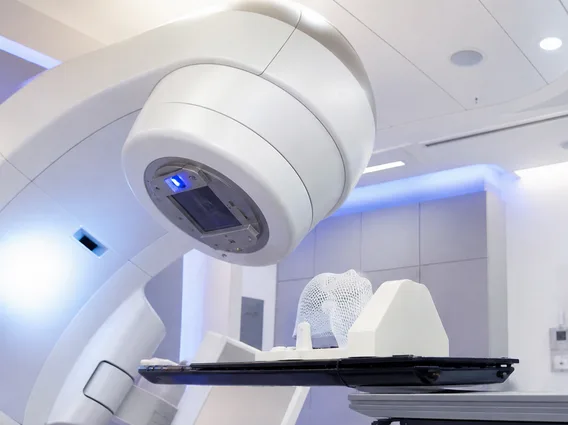
Key Takeaways
- Stereotactic Procedure is a precise medical technique using 3D imaging for accurate targeting within the body, primarily the brain.
- It involves advanced imaging (MRI, CT) and a coordinate system to guide instruments with millimeter accuracy.
- Applications range from diagnostic biopsies to therapeutic interventions like tumor removal and radiosurgery.
- Stereotactic biopsy procedure explained involves taking tissue samples with minimal invasion.
- Uses of stereotactic radiosurgery include treating tumors and other lesions with focused radiation.
What is Stereotactic Procedure?
A Stereotactic Procedure refers to a sophisticated medical approach that employs a three-dimensional localization system to pinpoint specific targets within the body with extreme precision. This technique is predominantly utilized in neurosurgery but also finds application in other areas like breast and prostate interventions. The core principle involves creating a detailed map of the target area using advanced imaging technologies, allowing medical professionals to navigate instruments or deliver therapy to exact locations, often with sub-millimeter accuracy. This precision is crucial for accessing deep-seated lesions, minimizing trauma to surrounding healthy tissue, and enhancing the effectiveness of diagnostic and therapeutic interventions.
The procedure is often chosen for its minimally invasive nature, which can lead to reduced recovery times and fewer complications compared to traditional open surgeries. It represents a significant advancement in medical precision, enabling the treatment of conditions that were previously considered inoperable or too risky due to their location or size. According to the American Association of Neurological Surgeons (AANS), stereotactic techniques have become a cornerstone in modern neurosurgical practice, improving outcomes for a wide range of neurological disorders.
How Stereotactic Surgery Works
Stereotactic surgery operates on the fundamental principle of creating a precise three-dimensional coordinate system around the target area. This process typically begins with detailed imaging scans, such as Magnetic Resonance Imaging (MRI) or Computed Tomography (CT) scans, which provide high-resolution images of the patient’s anatomy. These images are then used to generate a virtual 3D model, allowing the surgeon to identify the exact coordinates of the target lesion or area of interest.
During the procedure, a specialized frame may be affixed to the patient’s head or body, serving as a fixed reference point for the coordinate system. Alternatively, frameless stereotaxy utilizes advanced computer navigation systems that track the patient’s anatomy in real-time, often with optical or electromagnetic sensors. Once the target coordinates are established, surgical instruments, such as biopsy needles, electrodes, or radiation beams, are guided to the precise location. This meticulous guidance ensures that the intervention is delivered exactly where needed, whether for tissue sampling, lesion ablation, or highly focused radiation delivery, thereby maximizing efficacy and minimizing collateral damage.
Key Applications of Stereotactic Procedures
Stereotactic procedures are versatile and have numerous critical applications across various medical specialties. One significant application is the stereotactic biopsy procedure explained as a method for obtaining tissue samples from deep-seated or difficult-to-reach lesions, particularly in the brain or breast, with minimal invasiveness. This allows for accurate diagnosis of tumors or other abnormalities without the need for extensive open surgery. The precision of stereotaxy ensures that the biopsy needle reaches the exact target, increasing the diagnostic yield and reducing risks.
Another prominent use involves therapeutic interventions. The uses of stereotactic radiosurgery encompass treating various conditions, including brain tumors, arteriovenous malformations (AVMs), and functional disorders like trigeminal neuralgia. Stereotactic radiosurgery delivers highly concentrated doses of radiation to a precise target, often in a single session or a few fractions, minimizing radiation exposure to surrounding healthy tissues. This technique is non-invasive and often an outpatient procedure, offering an alternative to traditional surgery for many patients. Other key applications include:
- Tumor Resection Guidance: Assisting surgeons in precisely locating and removing brain tumors.
- Deep Brain Stimulation (DBS): Placing electrodes in specific brain regions to treat movement disorders like Parkinson’s disease and essential tremor.
- Epilepsy Surgery: Identifying and ablating seizure-generating areas in the brain.
- Pain Management: Targeting specific neural pathways for intractable pain relief.
- Breast Biopsy: Guiding needles to suspicious breast lesions identified on mammograms or other imaging.
These diverse applications underscore the transformative impact of stereotactic procedures in modern medicine, offering precise, minimally invasive options for both diagnosis and treatment across a spectrum of complex conditions.



















