J Pouch Coloanal Anastomosis
J Pouch Coloanal Anastomosis is a complex surgical procedure primarily used to restore bowel continuity after the removal of the colon and rectum. This article provides an overview of the procedure, its recovery process, and potential complications, offering insights for patients considering or undergoing this surgery.
Key Takeaways
- J Pouch Coloanal Anastomosis is a surgical procedure that creates an internal pouch from the small intestine, connecting it to the anus after colon and rectum removal.
- It is commonly performed for conditions like ulcerative colitis or familial adenomatous polyposis, aiming to preserve continence and avoid a permanent ostomy.
- Recovery involves several stages, typically spanning weeks to months, with gradual return to normal activities and dietary adjustments.
- Life after J Pouch surgery generally sees significant improvement in quality of life, though patients adapt to new bowel habits.
- Potential J Pouch coloanal anastomosis complications can include pouchitis, strictures, or leakage, requiring careful monitoring and management.
What is J Pouch Coloanal Anastomosis?
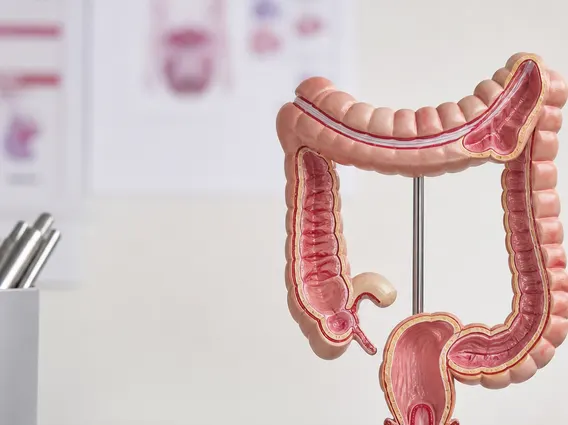
J Pouch Coloanal Anastomosis is a specialized surgical procedure that involves the creation of an internal reservoir, or “pouch,” from the patient’s small intestine (ileum). This pouch, often shaped like a ‘J’, ‘S’, or ‘W’, is then connected to the anus after the entire colon and rectum have been removed. The primary goal of this surgery is to eliminate diseased bowel segments while preserving anal sphincter function, thereby allowing patients to pass stool through the anus and avoid a permanent ileostomy bag.
This procedure is most commonly performed for individuals with ulcerative colitis, a chronic inflammatory bowel disease, or familial adenomatous polyposis (FAP), a genetic condition that leads to numerous polyps in the colon and rectum with a high risk of cancer. By creating the J-pouch, surgeons aim to restore a more natural pattern of bowel function, significantly improving the patient’s quality of life compared to living with a permanent ostomy. The surgery is typically performed in one or two stages, depending on the patient’s condition and the surgeon’s approach.
J Pouch Surgery: Recovery and Life After
The journey of recovery following J Pouch surgery is a gradual process that varies for each individual. Initially, patients will spend several days in the hospital, managing pain and monitoring bowel function. The immediate post-operative period often involves a temporary ileostomy, which is reversed in a second surgery after the J-pouch has healed. The total J Pouch surgery recovery time can range from a few weeks to several months, during which patients progressively regain strength and adapt to their new bowel habits.
Understanding life after J Pouch surgery is crucial for patients. While the surgery aims to restore continence, bowel movements will differ from pre-surgery patterns. Patients typically experience more frequent bowel movements, often 4-8 times a day and 1-2 times at night. Dietary adjustments are often necessary to manage stool consistency and frequency, with many patients finding benefit from avoiding trigger foods. Over time, the J-pouch adapts, and many individuals report a significant improvement in their quality of life, allowing them to return to most normal activities, including work, exercise, and social engagements. Regular follow-up appointments with a gastroenterologist and surgeon are essential to monitor pouch health and address any emerging concerns.
Key aspects of recovery and adaptation include:
- Dietary Modifications: Gradually reintroducing foods, identifying triggers, and ensuring adequate hydration.
- Pelvic Floor Exercises: Strengthening muscles to improve continence and control.
- Medication Management: Using anti-diarrheal medications or other prescriptions as advised by a physician.
- Emotional Support: Connecting with support groups or mental health professionals to navigate the psychological aspects of recovery and adaptation.
Potential Complications of J Pouch Coloanal Anastomosis
While J Pouch Coloanal Anastomosis is generally a successful procedure, like any major surgery, it carries potential risks and complications. Awareness of these issues is important for early detection and management. Potential J Pouch coloanal anastomosis complications can range from immediate surgical risks to long-term functional problems. One of the most common long-term complications is pouchitis, an inflammation of the J-pouch itself, which can cause symptoms such as increased stool frequency, urgency, abdominal pain, and fever. Pouchitis is often treated with antibiotics.
Other potential complications include anastomotic leak, where the surgical connection between the pouch and anus does not heal properly, leading to infection or abscess formation. Strictures, or narrowing of the pouch or its connection to the anus, can also occur, potentially requiring dilation or further surgical intervention. Additionally, some patients may experience issues with continence, including leakage or urgency, particularly in the initial months after surgery. Although less common, other complications can include small bowel obstruction, fistula formation, or sexual dysfunction. Regular medical follow-ups are vital for monitoring for these complications and ensuring timely and effective treatment.