
Juvenile Pilocytic Astrocytoma
Juvenile Pilocytic Astrocytoma is a common type of brain tumor primarily affecting children and young adults. Understanding this condition, its symptoms, and available treatments is crucial for early diagnosis and effective management.
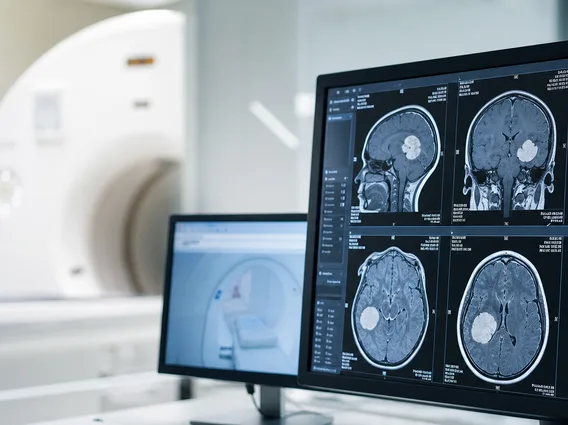
Key Takeaways
- Juvenile Pilocytic Astrocytoma is a slow-growing, typically benign brain tumor.
- It is the most common type of brain tumor found in children.
- Symptoms vary widely depending on the tumor’s location in the brain.
- Surgical removal is often the primary treatment, aiming for a cure.
- The prognosis is generally favorable, especially with complete tumor resection.
What is Juvenile Pilocytic Astrocytoma?
Juvenile Pilocytic Astrocytoma is a low-grade (Grade I) glial tumor that originates from astrocytes, a type of support cell in the brain and spinal cord. It is the most common type of brain tumor found in children and young adults, accounting for approximately 15-20% of all childhood brain tumors, according to the World Health Organization (WHO).
These tumors are typically slow-growing and often have a cystic component, meaning they contain fluid-filled sacs. Unlike more aggressive brain tumors, juvenile pilocytic astrocytomas are generally benign and rarely spread to other parts of the brain or body. Their growth pattern is usually well-defined, making complete surgical removal a viable and often curative treatment option.
Symptoms of Juvenile Pilocytic Astrocytoma
The **juvenile pilocytic astrocytoma symptoms** can vary significantly depending on the tumor’s size, location within the brain, and the child’s age. Because these tumors grow slowly, symptoms may develop gradually over weeks or months. The pressure exerted by the tumor on surrounding brain tissue or its interference with cerebrospinal fluid flow can lead to a range of neurological issues.
Common symptoms associated with pilocytic astrocytoma in children include:
- Headaches, often worsening over time
- Nausea and vomiting, particularly in the morning
- Vision problems, such as double vision or blurred vision
- Balance and coordination difficulties
- Changes in personality or behavior
- Seizures
- Hydrocephalus (buildup of fluid in the brain)
- Endocrine dysfunction if the tumor affects the hypothalamic-pituitary region
It is important for parents and caregivers to seek medical attention if a child exhibits persistent or worsening neurological symptoms, as early diagnosis can significantly improve outcomes.
Treatment Options for Juvenile Pilocytic Astrocytoma
The primary goal of **juvenile pilocytic astrocytoma treatment options** is to remove the tumor completely, which often leads to a cure. The specific approach depends on several factors, including the tumor’s location, size, and the child’s overall health. A multidisciplinary team of specialists, including neurosurgeons, oncologists, radiation oncologists, and neurologists, typically collaborates to develop a personalized treatment plan.
Key treatment modalities include:
- Surgery: Surgical resection is the cornerstone of treatment. If the tumor can be completely removed without causing significant neurological damage, further treatment may not be necessary. Advances in neurosurgical techniques, such as intraoperative MRI and neuro-navigation, have improved the safety and effectiveness of these procedures.
- Chemotherapy: For tumors that cannot be fully removed surgically, or if the tumor recurs, chemotherapy may be used. This is particularly common for very young children, where radiation therapy is often avoided due to potential long-term developmental side effects.
- Radiation Therapy: Radiation therapy is generally reserved for cases where surgery is not feasible and chemotherapy has been ineffective, or for recurrent tumors in older children. Its use is carefully considered due to the potential for long-term cognitive and endocrine side effects in developing brains.
- Observation: In rare cases of very small, asymptomatic tumors, a “watch and wait” approach with regular imaging may be considered, especially if the risks of intervention outweigh the benefits.
The prognosis for children with juvenile pilocytic astrocytoma is generally very good, with high survival rates, especially when complete surgical removal is achieved. Regular follow-up imaging is crucial to monitor for any recurrence and ensure long-term well-being.



















