
Joint
A Joint is a crucial anatomical structure where two or more bones meet, enabling movement and providing mechanical support to the body. These connections are fundamental for locomotion, flexibility, and the overall structural integrity of the human skeleton.
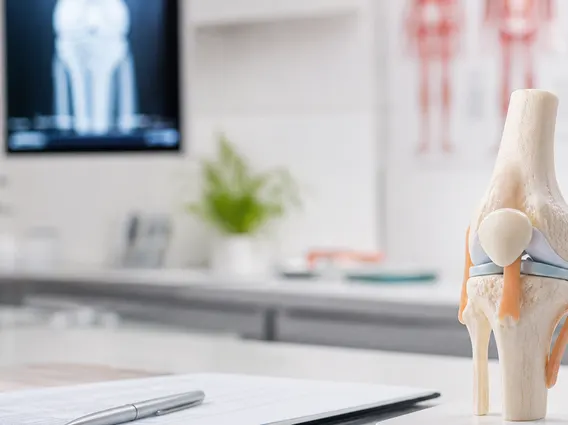
Key Takeaways
- Joints are essential connections between bones, facilitating movement and providing structural support.
- They are classified into fibrous, cartilaginous, and synovial types, each with varying degrees of mobility.
- The primary function of joints includes allowing movement, bearing weight, and maintaining stability.
- Common joint problems like arthritis and sprains can significantly impair mobility and quality of life.
- Understanding how human joints work is key to preventing injuries and managing joint health.
What is a Joint: Structure and Function
A Joint, in human anatomy, refers to the point where two or more bones articulate, or come together. These intricate structures are not merely points of connection but complex systems designed to allow motion, bear weight, and provide stability to the skeleton. The structure of a joint varies significantly depending on its type and location, but common components often include cartilage, ligaments, tendons, and, in some cases, a synovial membrane and fluid.
The primary function of joints is to permit various degrees of movement, from the extensive range of motion in the shoulder to the limited movement in the skull. Beyond mobility, joints also play a vital role in absorbing shock and distributing forces across the skeletal system, protecting bones from impact. How human joints work involves a coordinated effort of these components: cartilage provides a smooth, low-friction surface for bones to glide over; ligaments connect bones to other bones, stabilizing the joint; and tendons connect muscles to bones, enabling movement when muscles contract. Synovial joints, the most common and mobile type, are encapsulated by a membrane that produces synovial fluid, lubricating the joint and nourishing the cartilage.
Types of Joints in the Human Body
The human body contains a remarkable diversity of joints, each uniquely adapted to its specific role and range of motion. Understanding the types of joints in the human body is fundamental to comprehending human movement and potential vulnerabilities to injury. Joints are broadly classified into three main categories based on the material that connects the bones and the degree of movement they allow:
- Fibrous Joints: These joints are connected by dense connective tissue, primarily collagen fibers. They are typically immovable or allow very limited movement. Examples include the sutures between the bones of the skull, which fuse completely in adulthood, and the syndesmoses, which connect bones with a ligament, such as between the tibia and fibula.
- Cartilaginous Joints: In these joints, bones are united by cartilage. They allow more movement than fibrous joints but less than synovial joints. There are two types: synchondroses, where bones are joined by hyaline cartilage (e.g., the epiphyseal plates in growing bones), and symphyses, where bones are joined by fibrocartilage (e.g., the pubic symphysis and intervertebral discs).
- Synovial Joints: These are the most common and complex type of joint, characterized by a joint cavity filled with synovial fluid, which allows for a wide range of motion. They are highly mobile and include joints like the knee, hip, shoulder, and elbow. Synovial joints are further classified by their shape and movement, such as hinge, pivot, ball-and-socket, condyloid, saddle, and plane joints.
Each type contributes to the body’s overall flexibility and structural integrity, enabling everything from fine motor skills to powerful athletic movements.
Common Joint Problems Explained
While joints are designed for durability and flexibility, they are susceptible to various conditions that can cause pain, stiffness, and reduced mobility. Understanding common joint problems explained is crucial for early detection and effective management. According to the Centers for Disease Control and Prevention (CDC), an estimated 58.5 million adults in the United States, or 24% of all adults, have doctor-diagnosed arthritis, making it a leading cause of disability.
Some of the most prevalent joint issues include:
- Osteoarthritis (OA): This is the most common form of arthritis, often referred to as “wear-and-tear” arthritis. It occurs when the protective cartilage on the ends of your bones wears down over time, leading to pain, swelling, and reduced range of motion.
- Rheumatoid Arthritis (RA): An autoimmune disease where the body’s immune system mistakenly attacks the lining of the joints, causing inflammation, pain, swelling, and eventually joint erosion and deformity.
- Sprains: These are injuries to the ligaments that connect bones in a joint. They occur when a ligament is stretched or torn, often due to sudden twisting or impact, commonly affecting ankles and knees.
- Bursitis: Inflammation of the bursae, small fluid-filled sacs that cushion the bones, tendons, and muscles near joints. It typically causes pain and tenderness around the affected joint, such as the shoulder, elbow, or hip.
- Tendinitis: Inflammation or irritation of a tendon, the thick fibrous cords that attach muscle to bone. It often results from repetitive motion or overuse and can affect any tendon in the body, commonly seen in the shoulder, elbow, wrist, and knee.
These conditions can significantly impact an individual’s quality of life, highlighting the importance of joint health maintenance through proper exercise, nutrition, and timely medical intervention.



















