
Jejunostomy
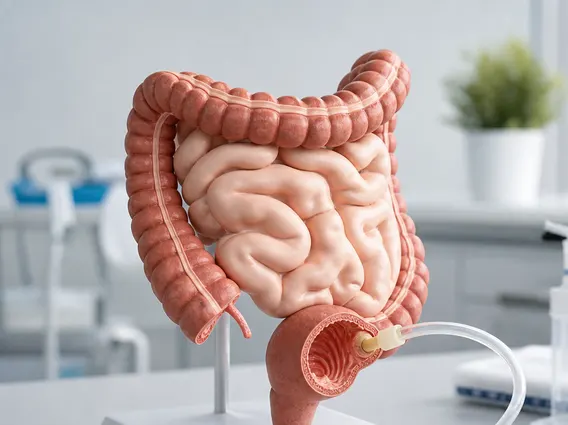
A jejunostomy is a surgical procedure that creates an opening through the abdominal wall into the jejunum, a part of the small intestine. This opening is typically used to insert a tube, known as a jejunostomy tube, for nutritional support or medication administration when oral intake is not possible or sufficient.
Key Takeaways
- A jejunostomy provides a direct route for nutrition and medication into the small intestine.
- It is often necessary for patients who cannot safely eat or digest food through the stomach.
- Placement can be done surgically, endoscopically, or radiologically.
- Proper care of the jejunostomy tube and site is crucial to prevent complications.
- Regular flushing and monitoring are essential for effective management and patient well-being.
What is a Jejunostomy and Its Purpose?
A Jejunostomy refers to a surgical procedure that establishes a direct connection to the jejunum, the middle section of the small intestine, from outside the body. This connection typically involves inserting a feeding tube. The primary purpose of jejunostomy surgery is to provide a reliable and long-term method for delivering nutrition, fluids, and medications directly into the small intestine, bypassing the stomach and duodenum.
This procedure is often indicated for individuals who are unable to tolerate oral feeding, have a dysfunctional stomach (e.g., gastroparesis, gastric outlet obstruction), or require bowel rest for conditions affecting the upper gastrointestinal tract. It ensures that essential nutrients reach the body, supporting recovery, maintaining weight, and improving overall health when conventional feeding methods are not viable or safe.
Jejunostomy Tube Placement Procedure
The Jejunostomy tube placement procedure involves creating an access point into the jejunum. This can be performed using several techniques, depending on the patient’s condition and the surgeon’s preference. Common methods include open surgical placement, laparoscopic surgery, or percutaneous endoscopic jejunostomy (PEJ), which is less invasive. In some cases, radiologically guided placement may also be an option.
During the procedure, a small incision is made in the abdominal wall, and the jejunum is identified. A feeding tube is then carefully inserted into the jejunum and secured in place, often with internal and external retention devices to prevent dislodgement. The tube’s external portion is typically secured to the skin, and a dressing is applied to protect the site. Patients usually remain in the hospital for a few days post-procedure for monitoring and initial tube care education.
Jejunostomy Feeding Tube Care and Management
Effective Jejunostomy feeding tube care is vital for preventing complications and ensuring the tube functions correctly. Patients and caregivers receive detailed instructions on how to manage the tube at home. Key aspects of care include:
- Site Care: The skin around the tube insertion site must be kept clean and dry to prevent infection and irritation. Regular cleaning with mild soap and water or an antiseptic solution, as directed by a healthcare provider, is essential. Dressings should be changed according to protocol or if they become wet or soiled.
- Flushing: The tube needs to be flushed with water before and after each feeding or medication administration, and typically every 4-8 hours when not in use. This prevents clogging and maintains tube patency.
- Feeding Administration: Liquid nutrition formulas are delivered through the tube, either continuously via a pump or intermittently in boluses. Medications, if in liquid form or crushed and mixed with water, can also be administered this way.
- Monitoring for Complications: Caregivers should watch for signs of infection (redness, swelling, pus, fever), tube dislodgement, leakage around the site, or tube blockage. Prompt reporting of these issues to a healthcare professional is crucial.
Proper management ensures the jejunostomy tube remains a safe and effective means of nutritional support, allowing patients to maintain their health and quality of life.



















