
Inhalation
Inhalation is a fundamental physiological process vital for life, involving the intake of air into the lungs. Beyond its natural function, it also serves as a critical method for delivering therapeutic agents directly to the respiratory system, offering targeted treatment for various conditions.
Key Takeaways
- Inhalation is the physiological process of drawing air into the lungs, essential for oxygen uptake.
- It involves the coordinated action of the diaphragm and intercostal muscles, creating negative pressure within the chest cavity.
- As a medical intervention, inhalation delivers medication directly to the respiratory tract for localized or systemic effects.
- Common methods include metered-dose inhalers, dry powder inhalers, and nebulizers, each suited for different patient needs and medications.
- Inhalation therapy is crucial for managing chronic respiratory diseases like asthma and COPD, improving drug efficacy and reducing systemic side effects.
What is Inhalation?
Inhalation refers to the process of breathing in, where air or other gases are drawn into the lungs. Physiologically, it is the active phase of respiration, crucial for supplying the body with oxygen and facilitating gas exchange. In a broader medical context, the inhalation definition and meaning also encompass the therapeutic administration of substances, such as medications, directly into the respiratory system. This method allows drugs to reach the lungs, airways, and even the bloodstream efficiently, often bypassing the digestive system and liver.
The primary purpose of physiological inhalation is to bring oxygen-rich air into the alveoli, tiny air sacs in the lungs where oxygen diffuses into the blood and carbon dioxide is released. As a medical delivery route, inhalation is particularly advantageous for treating respiratory conditions like asthma, chronic obstructive pulmonary disease (COPD), and cystic fibrosis, as it delivers medication directly to the site of action, leading to faster onset and fewer systemic side effects. According to the World Health Organization (WHO), chronic respiratory diseases affect hundreds of millions of people globally, making effective inhalation therapies indispensable for managing these conditions.
How Does Inhalation Work?
The physiological process of inhalation is a complex yet synchronized event driven by muscular contractions that alter pressure within the thoracic cavity. It begins with the contraction of the diaphragm, a large, dome-shaped muscle located at the base of the lungs, which flattens and moves downwards. Simultaneously, the external intercostal muscles between the ribs contract, pulling the rib cage upwards and outwards. These actions increase the volume of the thoracic cavity.
As the thoracic cavity expands, the pressure inside the lungs (intrapulmonary pressure) decreases, becoming lower than the atmospheric pressure outside the body. This pressure gradient causes air to rush into the lungs through the airways—the nose or mouth, pharynx, larynx, trachea, and bronchi—until the intrapulmonary pressure equalizes with the atmospheric pressure. This mechanical process ensures that a continuous supply of fresh air, rich in oxygen, reaches the alveoli for efficient gas exchange. The efficiency of this natural process is often leveraged in medical therapies to ensure optimal drug delivery to the respiratory tract.
Types of Inhalation Therapy
Several types of inhalation therapy are employed to deliver medication directly to the lungs, each utilizing different devices and mechanisms to aerosolize drugs into fine particles that can be inhaled. The choice of device often depends on the patient’s age, coordination, the specific medication, and the severity of the condition. These therapies are critical for managing various respiratory ailments, providing targeted relief and treatment.
Common devices used for inhalation therapy include:
- Metered-Dose Inhalers (MDIs): These are small, handheld devices that deliver a specific amount of medication in aerosol form with each puff. They require coordination between pressing the canister and inhaling deeply and slowly. Spacers can be used with MDIs to improve drug delivery, especially in children or individuals with difficulty coordinating their breath.
- Dry Powder Inhalers (DPIs): DPIs deliver medication as a dry powder that the patient inhales rapidly and deeply. These devices are breath-actuated, meaning the medication is released by the force of the patient’s inhalation, eliminating the need for hand-breath coordination required with MDIs.
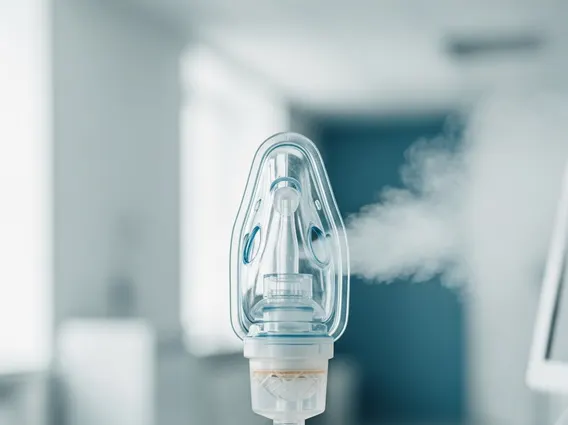
- Nebulizers: Nebulizers convert liquid medication into a fine mist that can be inhaled through a mouthpiece or a mask over several minutes. They are particularly useful for infants, young children, elderly patients, or those with severe respiratory distress who may have difficulty using MDIs or DPIs effectively.
These methods ensure that medications, such as bronchodilators, corticosteroids, and antibiotics, reach the airways and lungs directly, maximizing their therapeutic effect while minimizing systemic exposure and potential side effects. The development of advanced inhalation devices continues to improve patient adherence and treatment outcomes for chronic respiratory conditions.



















