Inguinal Orchiectomy
Inguinal orchiectomy is a surgical procedure involving the removal of a testicle through an incision in the groin. This operation is primarily performed for diagnostic and therapeutic purposes related to testicular health, particularly when malignancy is suspected.
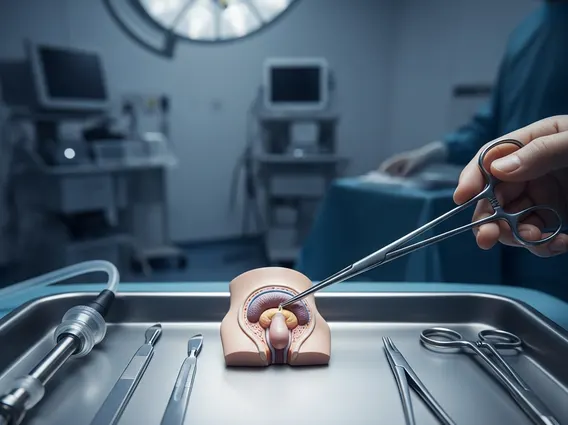
Key Takeaways
- Inguinal orchiectomy is the surgical removal of a testicle through the groin, most commonly performed for suspected testicular cancer.
- The procedure involves making an incision in the groin to access and remove the testicle along with the spermatic cord.
- This surgical approach minimizes the risk of cancer cell spread compared to a scrotal approach when malignancy is a concern.
- Recovery typically involves managing pain, restricting physical activity, and monitoring the incision site for proper healing.
- Post-operative care is crucial for successful recovery and may include follow-up appointments and further treatment based on pathology results.
What is Inguinal Orchiectomy and Why It’s Performed
Inguinal orchiectomy is a surgical procedure that involves the removal of one or both testicles through an incision made in the groin area. This approach is distinct from a scrotal orchiectomy, as it allows for better control of the spermatic cord and helps prevent the potential spread of cancer cells into the scrotum, which is particularly important when malignancy is suspected. The primary goal is often diagnostic, to obtain tissue for biopsy, and therapeutic, to remove a diseased testicle.
The main reasons for inguinal orchiectomy surgery include suspected testicular cancer, severe testicular trauma that cannot be repaired, or certain infections that have not responded to other treatments. For suspected testicular cancer, an inguinal approach is preferred because it allows the surgeon to clamp the spermatic cord before manipulating the testicle, minimizing the risk of cancer cell dissemination. According to the American Cancer Society, testicular cancer is relatively rare but is the most common cancer in American males between the ages of 15 and 35. Early diagnosis and treatment, often involving orchiectomy, are crucial for successful outcomes.
Common indications for this procedure include:
- Suspected testicular cancer (most common reason)
- Severe testicular trauma or injury
- Unmanageable testicular infection (e.g., severe orchitis)
- Certain benign conditions causing significant pain or dysfunction
Inguinal Orchiectomy Procedure Details
The inguinal orchiectomy procedure details involve several key steps, typically performed under general anesthesia. The patient is positioned on their back, and the surgical area is prepped and draped. The surgeon makes an incision in the groin, usually about 2-4 inches long, parallel to the inguinal crease. This incision provides access to the inguinal canal, through which the spermatic cord and testicle descend.
Once the spermatic cord is identified, it is carefully dissected. If testicular cancer is suspected, the spermatic cord is clamped and ligated (tied off) high in the inguinal canal before the testicle is manipulated. This precaution helps prevent the potential spread of cancer cells through the lymphatic system or bloodstream. The testicle is then gently delivered through the incision, and the spermatic cord is cut. The testicle is removed, and the remaining spermatic cord structures are secured. The incision is then closed in layers using dissolvable sutures, and the skin is closed with sutures or surgical staples. In some cases, a prosthetic testicle may be implanted during the same surgery for cosmetic reasons, if discussed and agreed upon with the patient beforehand. The entire procedure typically takes about 30 to 60 minutes.
Recovery and Post-Operative Care After Inguinal Orchiectomy
Recovery after inguinal orchiectomy generally involves a period of rest and careful monitoring. Most patients can return home on the same day or the day after the surgery. Pain management is crucial, and oral pain medications will be prescribed to alleviate discomfort at the incision site and in the scrotum. Swelling and bruising in the groin and scrotal area are common and usually subside within a few weeks. Applying ice packs to the area (over clothing or a towel) can help reduce swelling and pain.
Patients are typically advised to avoid strenuous activities, heavy lifting, and sexual activity for several weeks to allow the incision to heal properly and prevent complications such as bleeding or hernia formation. Keeping the incision site clean and dry is essential to prevent infection. Patients should follow their surgeon’s specific instructions regarding wound care, showering, and activity restrictions. Follow-up appointments are scheduled to monitor healing, remove any non-dissolvable sutures or staples, and discuss pathology results, especially if the surgery was performed for suspected cancer. Depending on the pathology findings, further treatment such as chemotherapy or radiation therapy may be recommended. It is important to report any signs of infection, such as fever, increased pain, redness, or discharge from the incision, to the healthcare provider immediately.