
Implantable Cardioverter Defibrillator
An Implantable Cardioverter Defibrillator (ICD) is a small, battery-powered device placed in the body to monitor heart rhythm and deliver electrical shocks to correct dangerously fast heartbeats. This crucial device plays a vital role in preventing sudden cardiac death in individuals at high risk.
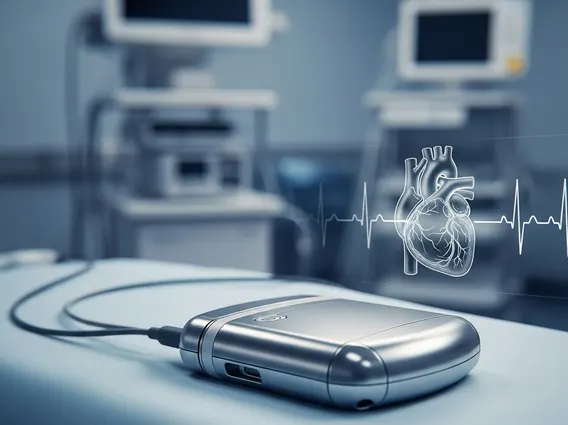
Key Takeaways
- An ICD is a medical device that continuously monitors heart rhythms and delivers electrical therapy to correct life-threatening arrhythmias.
- It consists of a pulse generator implanted under the skin and leads (wires) connected to the heart.
- ICDs can deliver anti-tachycardia pacing (ATP) for mild arrhythmias or defibrillation shocks for severe, rapid heart rhythms.
- The primary purpose of an ICD is to prevent sudden cardiac death in patients prone to ventricular tachycardia or fibrillation.
- Modern ICDs offer advanced features like data logging, remote monitoring, and compatibility with MRI scans.
What is an Implantable Cardioverter Defibrillator (ICD)?
An Implantable Cardioverter Defibrillator (ICD) is a sophisticated electronic device designed to continuously monitor the heart’s electrical activity and deliver therapy when dangerous arrhythmias are detected. These life-saving devices are typically recommended for individuals who have experienced or are at high risk of developing life-threatening ventricular tachyarrhythmias, such as ventricular tachycardia (VT) or ventricular fibrillation (VF). The device is surgically implanted, usually under the skin near the collarbone, and connected to the heart via thin, insulated wires called leads. ICDs have significantly improved outcomes for patients with certain heart conditions, making them a cornerstone of modern cardiac care.
The primary function of an ICD is to act as a vigilant guardian for the heart, ready to intervene if its rhythm becomes dangerously fast or erratic. Unlike a pacemaker, which primarily treats slow heart rhythms, an ICD is specifically engineered to address rapid, potentially fatal rhythms. It constantly analyzes the heart’s electrical signals, identifying patterns that indicate a serious arrhythmia. When such a rhythm is detected, the ICD is programmed to deliver electrical pulses or shocks to restore a normal heart rhythm, thereby preventing sudden cardiac arrest.
How Does an Implantable Cardioverter Defibrillator (ICD) Work?
An ICD operates through a combination of continuous monitoring and therapeutic electrical delivery. The device comprises two main components: a pulse generator and leads. The pulse generator, a small metal box containing a battery and sophisticated circuitry, is implanted beneath the skin, typically in the chest. From this generator, one or more leads are threaded through veins into the heart chambers. These leads serve a dual purpose: they sense the heart’s electrical activity and deliver electrical impulses when necessary.
When the heart’s rhythm becomes abnormally fast, the ICD’s circuitry analyzes the pattern. If it identifies a ventricular tachycardia or fibrillation, it can respond in one of two ways, depending on the severity and programming:
- Anti-tachycardia Pacing (ATP): For less severe, but still rapid, arrhythmias, the ICD may deliver a series of rapid, low-energy electrical pulses. These pulses attempt to “pace” the heart out of the fast rhythm and restore a normal heartbeat without the patient feeling a significant shock.
- Defibrillation Shock: If the arrhythmia is more severe, such as ventricular fibrillation, or if ATP is unsuccessful, the ICD will deliver a higher-energy electrical shock. This shock aims to reset the heart’s electrical activity, allowing it to resume a normal rhythm. Patients typically feel this shock as a jolt or kick in the chest.
The ICD device information stored within the pulse generator allows cardiologists to customize its settings, including the heart rates at which ATP or shocks are delivered, and to review historical data on heart rhythms and device interventions.
Purpose and Key Features of an ICD
The fundamental Implantable Cardioverter Defibrillator purpose is to prevent sudden cardiac death (SCD) in individuals at high risk. This risk often stems from conditions like severe heart failure, previous heart attacks that have damaged the heart muscle, or inherited heart rhythm disorders. By continuously monitoring the heart and delivering timely electrical therapy, the ICD acts as a critical safeguard against life-threatening arrhythmias that could otherwise be fatal.
Key features of modern ICDs include:
- Rhythm Monitoring and Detection: Constant surveillance of heart activity to identify abnormal rhythms.
- Anti-Tachycardia Pacing (ATP): Delivery of rapid, low-energy pulses to correct certain fast rhythms without a full shock.
- Defibrillation Therapy: High-energy electrical shocks to terminate dangerous ventricular arrhythmias like fibrillation.
- Bradycardia Pacing: Many ICDs also have pacemaker functions, capable of pacing the heart if it beats too slowly.
- Data Storage and Diagnostics: The ability to record heart rhythm events, device therapies, and other diagnostic information that can be reviewed by a clinician during follow-up appointments. This data is crucial for optimizing patient care.
- Remote Monitoring: Many devices allow for wireless transmission of data to the patient’s care team, enabling proactive management and reducing the need for frequent in-person visits. This enhances patient safety and convenience.
- MRI Compatibility: Newer ICD models are increasingly designed to be compatible with magnetic resonance imaging (MRI) scans, which was historically a contraindication for patients with these devices.
These features collectively ensure that the ICD provides comprehensive protection and allows for personalized management of complex cardiac conditions.



















