Implant Radiation Therapy
Implant Radiation Therapy, also known as brachytherapy, is a highly targeted form of radiation treatment used to treat various types of cancer. This therapy involves placing radioactive sources directly into or near the tumor, delivering a high dose of radiation precisely where it is needed.
Key Takeaways
- Implant Radiation Therapy delivers radiation directly to a tumor using implanted radioactive sources.
- It minimizes radiation exposure to surrounding healthy tissues, reducing potential side effects.
- The procedure can involve temporary or permanent implants, depending on the cancer type and treatment plan.
- Common side effects are localized to the treatment area and typically resolve over time.
- This therapy is a cornerstone in the treatment of many cancers, often leading to excellent local control rates.
What is Implant Radiation Therapy?
Implant Radiation Therapy refers to a specialized cancer treatment technique where radioactive sources are placed inside the body, directly within or very close to the tumor. This method, often called brachytherapy, allows for a very high dose of radiation to be delivered to the cancerous cells while sparing much of the surrounding healthy tissue. The precise placement of these sources ensures that the radiation is concentrated on the target area, making it an effective option for various solid tumors.
This localized approach contrasts with external beam radiation therapy, which delivers radiation from a machine outside the body. By placing the radiation source internally, Implant Radiation Therapy can achieve steep dose gradients, meaning the radiation dose drops off rapidly outside the tumor, thereby reducing the impact on nearby organs and tissues. This precision is crucial for managing treatment-related side effects and improving patient outcomes.
How Implant Radiation Therapy Works
Implant Radiation Therapy works by directly exposing cancer cells to high doses of radiation from sources placed within the body. The process typically begins with detailed imaging scans (such as CT, MRI, or ultrasound) to accurately map the tumor’s location and size. This information is then used to create a personalized treatment plan, determining the exact placement, number, and strength of the radioactive implants required.
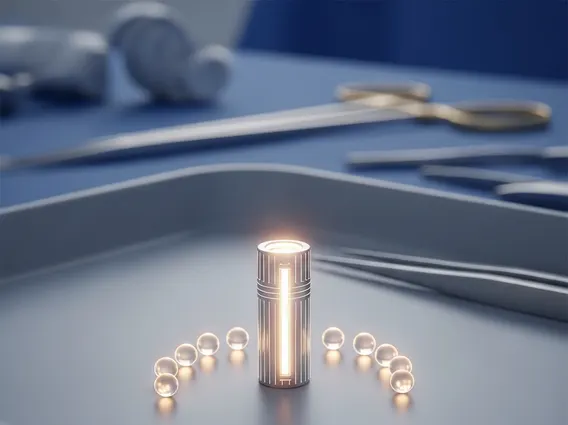
During the procedure, a medical oncologist or radiation oncologist, often with the help of a surgeon, inserts the radioactive sources into the body. These sources can be in the form of seeds, wires, ribbons, or capsules. The method of implantation varies depending on whether the treatment is temporary or permanent:
- Temporary Implants: High-dose rate (HDR) brachytherapy involves placing radioactive sources into catheters or applicators that are temporarily inserted into the tumor or tumor bed. The radiation is delivered for a short period (minutes), and then the sources and applicators are removed. This process is often repeated over several sessions.
- Permanent Implants: Low-dose rate (LDR) brachytherapy typically involves implanting small radioactive seeds directly into the tumor, where they remain permanently. These seeds emit radiation over weeks or months, gradually losing their radioactivity. They are inert once their radioactive material decays and do not need to be removed.
The choice between temporary and permanent implants depends on the type and stage of cancer, as well as the patient’s overall health. For instance, permanent seed implants are commonly used for prostate cancer, while temporary implants are often utilized for gynecological cancers or breast cancer.
Benefits and Side Effects of Implant Radiation Therapy
Benefits of implant radiation therapy include its ability to deliver a highly concentrated dose of radiation directly to the tumor, minimizing exposure to surrounding healthy tissues. This precision can lead to higher local control rates for certain cancers and potentially fewer severe side effects compared to external beam radiation therapy. For example, for localized prostate cancer, brachytherapy has shown excellent long-term outcomes, with 10-year biochemical recurrence-free survival rates often exceeding 90% for low-risk disease, according to data from the American Cancer Society.
Additionally, Implant Radiation Therapy can often be completed in fewer treatment sessions, which can be more convenient for patients. For some cancers, it can be used as a standalone treatment, while for others, it may be combined with external beam radiation therapy, surgery, or chemotherapy to enhance overall effectiveness.
However, like all medical treatments, there are potential side effects of implant radiation therapy. These side effects are generally localized to the treated area and depend on the specific site of the implant. Common side effects may include:
- Pain or discomfort at the implant site.
- Swelling or bruising.
- Fatigue.
- Urinary symptoms (e.g., frequent urination, burning) if treating pelvic cancers.
- Bowel symptoms (e.g., diarrhea, rectal discomfort) if treating pelvic cancers.
Most acute side effects are temporary and resolve within weeks or months after treatment. Long-term side effects are less common but can occur, and patients are closely monitored for any persistent issues. The medical team provides comprehensive care to manage these side effects and ensure the best possible quality of life during and after treatment.