
Implant
An implant is a sophisticated medical device designed to be placed inside or on the surface of the body, either to replace a missing biological structure, support an existing one, or enhance its function. These devices play a crucial role in modern medicine, improving the quality of life for countless individuals by restoring function, alleviating pain, or delivering therapeutic agents.
Key Takeaways
- An Implant is a medical device surgically placed in the body to restore, support, or enhance biological function.
- Implants are made from biocompatible materials to minimize adverse reactions with body tissues.
- They encompass a wide range of types, including orthopedic, cardiovascular, neurological, and dental devices.
- Implants function by integrating with the body, providing structural support, delivering medication, or stimulating tissues.
- While offering significant benefits like improved quality of life, implants also carry potential risks such as infection or mechanical failure.
What Is an Implant Medical Device?
An Implant refers to a medical device that is surgically inserted into the body to serve a specific medical purpose. These devices are engineered to interact safely and effectively with biological tissues over extended periods. The primary goal of an implant is often to replace a damaged or missing body part, support a weakened structure, or deliver therapeutic substances directly to a target area.
The materials used for an implant medical device are carefully selected for their biocompatibility, meaning they are designed not to provoke an adverse immune response or cause toxicity within the body. Common materials include metals like titanium and stainless steel, ceramics, and various polymers. The design and material choice are critical to ensuring the device can withstand the physiological environment and perform its intended function reliably for years, sometimes decades.
Types of Medical Implants
The field of medical implants is vast and continually evolving, encompassing a broad spectrum of devices tailored to different parts of the body and various medical conditions. These devices address a range of needs, from restoring mobility to supporting vital organ function. Understanding the different categories helps illustrate the diverse applications of these medical technologies.
Some common types of medical implants explained include:
- Orthopedic Implants: These are used to replace or support bones and joints, such as hip replacements, knee replacements, spinal fusion devices, and bone plates for fracture fixation. They restore mobility and reduce pain.
- Cardiovascular Implants: This category includes pacemakers, defibrillators, artificial heart valves, and stents, which are used to treat heart conditions, regulate heart rhythm, and maintain blood flow.
- Neurological Implants: Devices like deep brain stimulators, cochlear implants, and vagus nerve stimulators are designed to interact with the nervous system to treat conditions such as Parkinson’s disease, hearing loss, or epilepsy.
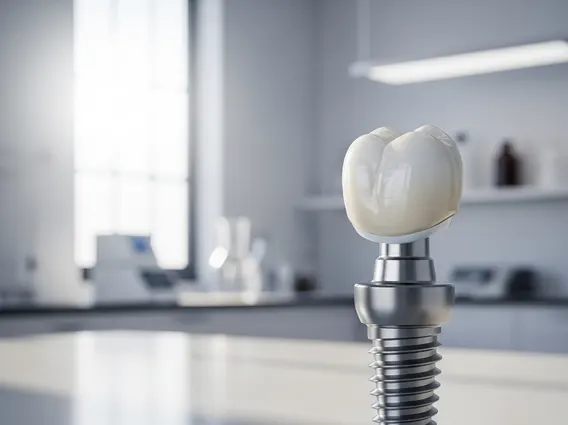
- Dental Implants: Used to replace missing teeth, these typically consist of a titanium post surgically placed into the jawbone, serving as an anchor for a crown, bridge, or denture.
- Sensory Implants: Beyond cochlear implants, this includes intraocular lenses used in cataract surgery to restore vision, replacing the eye’s natural lens.
- Drug Delivery Implants: These devices are designed to release medication at a controlled rate over time, often used for contraception or to manage chronic pain.
How Implants Work, Benefits, and Risks
How do implants work in the body largely depends on their specific design and purpose. Generally, implants function by integrating with the surrounding biological tissues, either mechanically or biologically. For instance, orthopedic implants often rely on osseointegration, where bone tissue grows directly onto the surface of the implant, providing stable fixation. Cardiovascular implants like pacemakers deliver electrical impulses to regulate heart rhythm, while drug-eluting stents release medication to prevent artery re-narrowing.
The benefits and risks of implants are significant considerations for both patients and healthcare providers. The primary benefits include:
- Restoration of Function: Implants can restore mobility, sensory perception, or organ function that has been lost due to injury, disease, or congenital conditions.
- Pain Relief: Many implants, particularly orthopedic and neurological devices, are highly effective in alleviating chronic pain.
- Improved Quality of Life: By addressing underlying medical issues, implants can significantly enhance a patient’s independence, comfort, and overall well-being.
- Life-Saving Interventions: Devices like pacemakers and defibrillators are critical for managing life-threatening cardiac conditions.
However, like any medical procedure, implant surgery carries potential risks. These can include infection at the surgical site, allergic reactions to implant materials, mechanical failure of the device requiring revision surgery, or rejection by the body. Complications, though relatively rare, can sometimes be severe. For example, the U.S. Food and Drug Administration (FDA) continuously monitors the safety and effectiveness of medical devices, including implants, to ensure they meet stringent regulatory standards and provide clear information on potential risks to patients.



















