
Imaging
Imaging, in a clinical context, refers to the sophisticated process of creating visual representations of the interior of a body. These techniques are indispensable tools in modern medicine, providing critical insights into health and disease.
Key Takeaways
- Medical imaging uses various technologies to visualize internal body structures for diagnosis and treatment.
- These technologies operate on principles like X-rays, magnetic fields, sound waves, and radioactive tracers.
- Common types include X-rays, CT scans, MRI, ultrasound, and nuclear medicine scans.
- Imaging plays a crucial role in early disease detection, accurate diagnosis, treatment planning, and monitoring patient progress.
What is Medical Imaging?
Medical imaging encompasses a range of non-invasive techniques and processes used to create images of the human body, its organs, and its physiological functions. The primary purpose of medical imaging is to diagnose diseases, monitor their progression, and guide medical treatments. It allows healthcare professionals to look inside the body without surgery, revealing structural abnormalities, functional changes, and the extent of various conditions. This field is vital for understanding complex medical issues and making informed clinical decisions.
The development of advanced imaging modalities has revolutionized healthcare, enabling earlier detection of diseases like cancer, heart conditions, and neurological disorders. According to the World Health Organization (WHO), access to appropriate medical imaging is a critical component of universal health coverage, facilitating timely and accurate diagnoses that lead to better patient outcomes globally.
How Imaging Technology Works and Its Types
Imaging technology operates on diverse scientific principles to generate detailed internal views of the body. Each method utilizes a specific form of energy or interaction to create images, which are then interpreted by radiologists and other medical specialists. Understanding how imaging technology works is key to appreciating its diagnostic power.
There are several widely used types of diagnostic imaging, each suited for different clinical applications:
- X-ray (Radiography): Uses a small dose of ionizing radiation to produce images of bones and some soft tissues. It is commonly used to detect fractures, pneumonia, and certain types of arthritis.
- Computed Tomography (CT) Scan: Combines a series of X-ray images taken from different angles around the body and uses computer processing to create cross-sectional images (slices) of bones, blood vessels, and soft tissues. CT scans provide more detailed information than conventional X-rays.
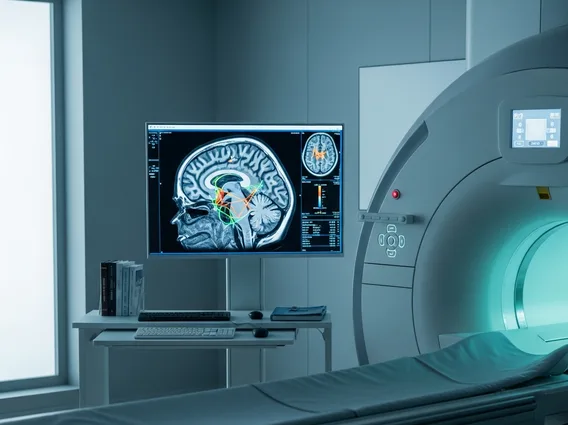
- Magnetic Resonance Imaging (MRI): Utilizes a powerful magnetic field and radio waves to create detailed images of organs and soft tissues within the body. MRI is particularly effective for examining the brain, spinal cord, joints, and internal organs without using ionizing radiation.
- Ultrasound (Sonography): Employs high-frequency sound waves to produce real-time images of structures inside the body. It is often used to visualize fetuses during pregnancy, examine abdominal organs, and assess blood flow.
- Nuclear Medicine Scans (e.g., PET, SPECT): Involves introducing a small amount of radioactive material (tracer) into the body. Specialized cameras detect the radiation emitted by the tracer to create images that show organ function and metabolism, rather than just structure.
Benefits of Imaging in Healthcare
The benefits of imaging in healthcare are extensive and profoundly impact patient care. These technologies provide invaluable information that aids in accurate diagnosis, effective treatment planning, and monitoring disease progression.
Key advantages include:
- Early and Accurate Diagnosis: Imaging allows for the detection of diseases in their earliest stages, often before symptoms appear, which can significantly improve treatment outcomes.
- Treatment Planning and Guidance: Images provide detailed anatomical information that helps surgeons plan complex procedures and guide interventions, such as biopsies or tumor ablations, with precision.
- Monitoring Disease Progression: Regular imaging can track how a disease is evolving or responding to treatment, allowing clinicians to adjust therapies as needed.
- Reduced Need for Invasive Procedures: By offering non-invasive views inside the body, imaging often reduces the need for exploratory surgery, minimizing patient risk and recovery time.
- Improved Patient Outcomes: Collectively, these benefits lead to more targeted and effective medical care, ultimately enhancing the quality of life and survival rates for patients.



















