Imaging Procedure
An imaging procedure is a vital diagnostic tool in modern medicine, allowing healthcare professionals to visualize the internal structures of the body without invasive surgery. These procedures play a crucial role in detecting, diagnosing, and monitoring a wide range of medical conditions.
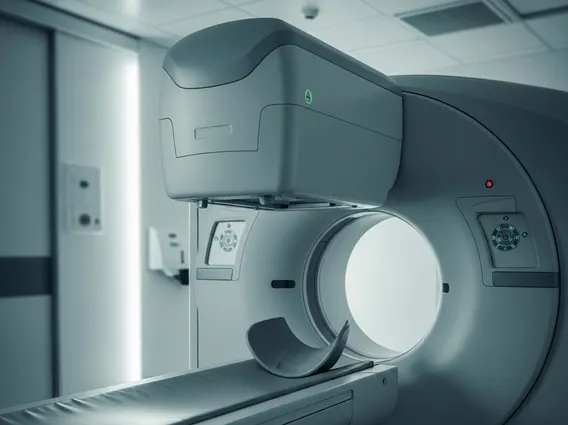
Key Takeaways
- An imaging procedure uses various technologies to create detailed images of the body’s internal structures.
- Common types include X-rays, MRI, CT scans, and ultrasound, each utilizing different physical principles.
- These procedures are essential for diagnosing diseases, guiding treatments, and monitoring patient health.
- They provide non-invasive insights that are critical for effective medical decision-making.
What is an Imaging Procedure?
An Imaging Procedure refers to a broad category of medical tests that create visual representations of the inside of the body. These non-invasive techniques are fundamental for medical diagnosis, treatment planning, and monitoring disease progression. The primary goal of an imaging procedure is to provide detailed insights into organs, bones, soft tissues, and blood vessels, helping clinicians identify abnormalities that might not be detectable through physical examination alone.
The field of medical imaging has advanced significantly, offering physicians powerful tools to understand a patient’s condition more thoroughly. By utilizing various forms of energy, such as electromagnetic waves, sound waves, or magnetic fields, these procedures generate images that are interpreted by radiologists and other specialists to inform clinical decisions. This capability to “see” inside the body is indispensable for accurate and timely medical interventions.
Types of Medical Imaging
There are several distinct types of medical imaging, each employing unique technologies to capture different aspects of the body’s internal anatomy and function. The choice of procedure depends on the specific medical question, the body part being examined, and the patient’s overall health. Here are some of the most common types:
- X-ray: Utilizes electromagnetic radiation to create images of bones and some soft tissues, primarily used for detecting fractures, lung conditions, and dental issues.
- Magnetic Resonance Imaging (MRI): Employs powerful magnets and radio waves to generate detailed images of soft tissues, organs, bone marrow, and blood vessels, without using ionizing radiation.
- Computed Tomography (CT) Scan: Combines a series of X-ray images taken from different angles to create cross-sectional images (slices) of bones, blood vessels, and soft tissues, offering more detail than a standard X-ray.
- Ultrasound: Uses high-frequency sound waves to produce real-time images of organs, soft tissues, and blood flow, commonly used in obstetrics, cardiology, and for examining abdominal organs.
- Positron Emission Tomography (PET) Scan: Involves injecting a radioactive tracer to visualize metabolic activity in tissues and organs, often used in oncology to detect cancer, assess its spread, and monitor treatment effectiveness.
Each of these modalities offers specific advantages and is chosen based on its ability to provide the most relevant diagnostic information for a given clinical scenario. For instance, while X-rays are excellent for bone structures, MRI excels in visualizing soft tissues like the brain or ligaments.
How Imaging Procedures Work and Their Purpose
The fundamental principle behind how imaging procedures work involves the interaction of different energy forms with the body’s tissues. For example, X-rays pass through soft tissues more easily than dense bones, creating a contrast that forms an image. MRI machines, on the other hand, use strong magnetic fields to align the protons within the body’s water molecules, then radio waves briefly knock them out of alignment. As the protons realign, they emit signals that are detected by the scanner and converted into detailed images.
The overarching purpose of diagnostic imaging is to aid in the accurate identification and characterization of diseases, injuries, and other medical conditions. These procedures provide critical information that helps healthcare providers:
- Diagnose diseases: Identifying tumors, infections, fractures, or organ damage.
- Monitor disease progression: Tracking the size of a tumor or the healing of a fracture over time.
- Guide medical procedures: Assisting surgeons during biopsies or other minimally invasive interventions.
- Assess treatment effectiveness: Determining if a therapy is shrinking a tumor or reducing inflammation.
- Screen for conditions: Detecting diseases early, such as mammograms for breast cancer.
According to the World Health Organization (WHO), medical imaging is a cornerstone of modern healthcare, significantly contributing to improved patient outcomes globally by enabling earlier and more precise diagnoses. The ability of these technologies to provide non-invasive, detailed views of the body’s interior is invaluable for comprehensive patient care.