Heart Rate
Heart rate, also known as pulse, is a vital sign that measures the number of times your heart beats per minute. It reflects how efficiently your heart is pumping blood throughout your body, delivering oxygen and nutrients to tissues.
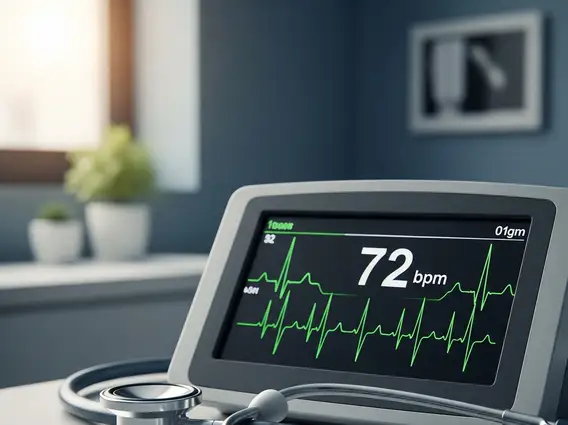
Key Takeaways
- What is Heart Rate is the number of times your heart beats per minute, indicating cardiovascular health.
- A normal heart rate for resting adults typically ranges from 60 to 100 beats per minute.
- You can easily learn How to check your heart rate manually at pulse points like the wrist or neck.
- Numerous Factors affecting heart rate include physical activity, emotions, medications, and underlying health conditions.
- Understanding heart rate zones is crucial for effective exercise, helping individuals tailor their workouts to specific fitness goals.
What is Heart Rate and Normal Ranges?
The term what is Heart Rate refers to the measurement of your heart’s contractions per minute. It is a fundamental indicator of cardiovascular health, reflecting the heart’s ability to pump blood effectively. A healthy heart rate ensures that all parts of the body receive an adequate supply of oxygenated blood.
For most healthy adults, What is a normal heart rate? at rest typically falls between 60 and 100 beats per minute (bpm). However, this range can vary based on age, fitness level, and other individual factors. For instance, well-trained athletes may have a resting heart rate as low as 40 to 60 bpm. A heart rate consistently above 100 bpm (tachycardia) or below 60 bpm (bradycardia), especially if accompanied by symptoms like dizziness or shortness of breath, may indicate an underlying health issue and warrants medical attention. According to the American Heart Association (AHA), maintaining a healthy resting heart rate is important for overall cardiovascular well-being.
How to Check Your Heart Rate
Learning How to check your heart rate? is a simple yet important skill for monitoring your health. The most common places to check your pulse are at your wrist (radial artery) or your neck (carotid artery). Regular self-monitoring can help you understand your body’s responses to activity and stress.
To accurately check your pulse manually:
- Place your index and middle fingers on the inside of your wrist, just below the base of your thumb, or on the side of your neck, next to your windpipe.
- Press lightly until you feel a pulse. Do not press too hard, as this can obstruct blood flow.
- Count the number of beats in 15 seconds and multiply by four to get your beats per minute. Alternatively, count for a full 60 seconds for greater accuracy.
- Ensure you are relaxed and have been at rest for at least 5-10 minutes before taking your resting heart rate.
Many fitness trackers and smartwatches also offer automated heart rate monitoring, providing continuous data that can be useful for tracking trends over time.
Factors Affecting Heart Rate and Zones
Several Factors affecting heart rate can cause it to fluctuate throughout the day. These include physical activity, as your heart rate increases to meet the body’s demand for oxygen during exercise. Emotional states such as stress, anxiety, or excitement can also elevate heart rate due to the release of hormones like adrenaline. Medications, caffeine, nicotine, body temperature, and even underlying medical conditions like thyroid disorders or anemia can significantly impact heart rate. For example, fever can increase heart rate as the body works to cool itself.
For those engaging in physical activity, Understanding heart rate zones is key to optimizing workouts and achieving specific fitness goals. Heart rate zones are percentages of your maximum heart rate (MHR), which is the highest rate your heart can achieve during intense exercise. A common way to estimate MHR is to subtract your age from 220. For instance, a 30-year-old would have an estimated MHR of 190 bpm.
Different zones correspond to different training benefits:
- Moderate-intensity zone (50-70% of MHR): Ideal for improving cardiovascular fitness and burning fat.
- Vigorous-intensity zone (70-85% of MHR): Best for improving endurance and performance.
Exercising within your target heart rate zone ensures you are working hard enough to gain benefits without overexerting yourself, which is crucial for safe and effective training.