Epidermolysis Bullosa Simplex Dowling Meara
Epidermolysis Bullosa Simplex Dowling Meara (EBS-DM) is a rare and severe genetic skin disorder characterized by extreme skin fragility and recurrent blistering. This condition significantly impacts the quality of life for affected individuals due to its chronic nature and potential complications.
Key Takeaways
- EBS-DM is a severe, inherited form of Epidermolysis Bullosa Simplex, causing widespread skin blistering.
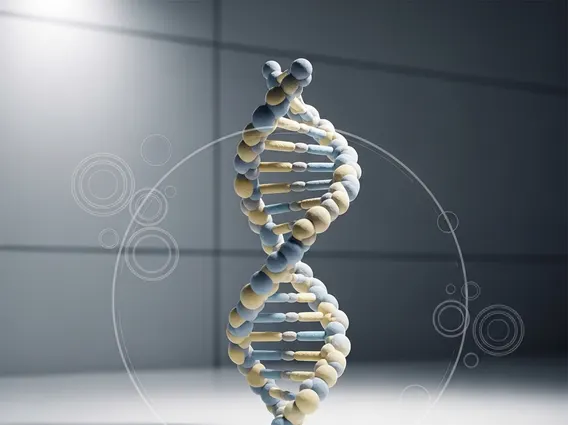
- It is primarily caused by mutations in the KRT5 or KRT14 genes, which are crucial for skin integrity.
- Key symptoms include painful blisters, especially on the hands and feet, nail abnormalities, and thickened skin.
- There is no cure for EBS-DM; treatment focuses on managing symptoms, preventing infections, and protecting the skin.
- Comprehensive care involves wound management, pain control, nutritional support, and physical therapy.
What is Epidermolysis Bullosa Simplex Dowling Meara (EBS-DM)?
Epidermolysis Bullosa Simplex Dowling Meara (EBS-DM) is a particularly severe subtype of Epidermolysis Bullosa Simplex (EBS), a group of inherited disorders that cause the skin to be extremely fragile and prone to blistering. These blisters typically form in response to minor trauma, friction, or heat, often appearing on the hands and feet but can also be generalized across the body. The underlying issue in EBS-DM is a defect in the keratin proteins (keratin 5 and keratin 14) that are essential for maintaining the structural integrity of the basal layer of the epidermis, the outermost layer of the skin. When these proteins are faulty, the skin layers separate easily, leading to blister formation.
Epidermolysis Bullosa (EB) as a whole is a rare condition, affecting approximately 1 in 50,000 live births globally, with EBS-DM representing a specific, rarer, and often more severe manifestation within the simplex category. Individuals with EBS-DM typically experience symptoms from birth or early infancy, making early diagnosis and management crucial for improving outcomes and quality of life.
Symptoms and Genetic Causes of EBS Dowling Meara
The symptoms of EBS Dowling Meara are often severe and present from birth or shortly thereafter. The hallmark feature is the widespread formation of fluid-filled blisters, which can be painful and may lead to chronic wounds. These blisters frequently appear on the palms of the hands and soles of the feet, but can also affect other areas, including the mucous membranes of the mouth and throat. Over time, individuals may develop thickened skin on the palms and soles (hyperkeratosis), nail dystrophy (abnormal or absent nails), and small white bumps called milia. In severe cases, extensive blistering can lead to secondary infections, scarring, and difficulty with mobility and feeding.
The primary causes of epidermolysis bullosa simplex, including the Dowling Meara subtype, are genetic mutations. Specifically, EBS-DM is caused by dominant mutations in either the KRT5 gene (which encodes keratin 5) or the KRT14 gene (which encodes keratin 14). These genes provide instructions for making keratin proteins, which are critical components of the cytoskeleton in skin cells, providing strength and resilience. Because the inheritance pattern is autosomal dominant, only one copy of the mutated gene is needed for the condition to manifest. This means that an affected parent has a 50% chance of passing the condition on to each child.
Common symptoms include:
- Severe, recurrent blistering, often generalized but prominent on hands and feet.
- Thickened skin on palms and soles (hyperkeratosis).
- Dystrophic or absent fingernails and toenails.
- Milia (small white cysts) on the skin.
- Pain and itching associated with blisters and wounds.
- Potential for oral blistering, affecting eating and speech.
Treatment and Management for EBS Dowling Meara
Currently, there is no cure for EBS-DM, so epidermolysis bullosa simplex dowling meara treatment focuses on managing symptoms, preventing complications, and improving the patient’s quality of life. A multidisciplinary approach involving dermatologists, wound care specialists, pain management experts, nutritionists, and physical therapists is often necessary. The cornerstone of management is meticulous wound care to prevent infection and promote healing. This involves carefully cleaning blisters, draining them to prevent spread, and applying non-adhesive dressings to protect the fragile skin.
Pain management is also a critical aspect, often requiring topical or oral analgesics. Nutritional support is important, especially if oral blistering makes eating difficult, to ensure adequate calorie and nutrient intake for healing and growth. Physical therapy helps maintain joint mobility and prevent contractures, which can result from chronic scarring. Research into gene therapy, cell-based therapies, and protein replacement strategies offers future hope for more definitive treatments. It is important to note that any alternative or complementary therapies should only be used as supportive measures and do not replace conventional medical treatment.