Epidural Block
An epidural block is a widely used regional anesthesia technique that provides pain relief by blocking nerve signals in the spinal cord. It is commonly employed during labor and delivery, certain surgical procedures, and for managing chronic pain conditions.
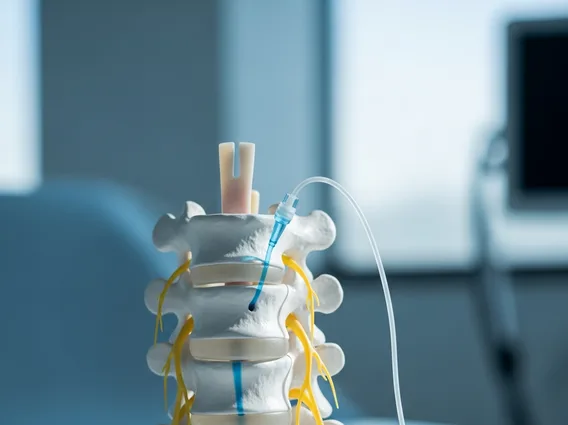
Key Takeaways
- An epidural block delivers medication into the epidural space to numb specific areas of the body.
- The procedure involves careful placement of a catheter, allowing for continuous pain relief.
- It is frequently used for pain management during childbirth and various surgeries.
- While highly effective, potential benefits must be weighed against possible risks and side effects.
- The effects are localized, targeting nerve roots to prevent pain signals from reaching the brain.
What is an Epidural Block and How It Works
Epidural Block is a type of regional anesthesia that involves injecting medication into the epidural space, a small area just outside the dura mater, the membrane surrounding the spinal cord. This procedure aims to block nerve impulses from specific nerve roots as they exit the spinal cord, thereby providing pain relief to a targeted area of the body. The medication used is typically a local anesthetic, often combined with an opioid, which numbs the nerves and prevents them from transmitting pain signals to the brain.
The mechanism of how epidural block works involves the diffusion of the anesthetic solution around the nerve roots within the epidural space. This diffusion temporarily interrupts the transmission of pain signals, as well as sensations of touch and temperature, and sometimes motor function, depending on the type and concentration of medication used. The effect is localized, meaning only the areas of the body supplied by the blocked nerves will experience numbness and pain relief, while the patient remains conscious. This technique is highly effective for managing pain during events like labor and delivery, as well as for various surgical procedures and even chronic pain management. It is one of the most common methods of pain relief used during childbirth globally.
Epidural Block Procedure: What to Expect
The epidural block procedure explained typically begins with the patient sitting or lying on their side, with their back curved to widen the spaces between the vertebrae. The anesthesiologist will first clean the skin on the lower back with an antiseptic solution and then inject a small amount of local anesthetic into the skin to numb the insertion site. This helps minimize discomfort during the main procedure.
Key steps in the procedure include:
- Preparation: Cleaning the back and numbing the skin with a local anesthetic.
- Needle Insertion: Carefully inserting a specialized needle into the epidural space.
- Catheter Placement: Threading a thin, flexible catheter through the needle into the epidural space.
- Needle Removal: Removing the needle, leaving the catheter securely taped to the back.
- Medication Delivery: Administering medication through the catheter, either intermittently or continuously.
Patients may feel pressure or a brief stinging sensation during the initial numbing injection, but the overall procedure is generally well-tolerated. The onset of pain relief usually occurs within 10-20 minutes after the medication is administered.
Benefits and Risks of Epidural Block
The epidural block benefits and risks are important considerations for anyone contemplating this procedure. The primary benefit is highly effective pain relief, which can significantly improve comfort during labor, allow patients to remain awake and participate in childbirth, or provide excellent post-operative pain control. For labor and delivery, it allows mothers to rest and conserve energy, potentially reducing the physical toll of a long labor. In surgical settings, it can reduce the need for systemic opioid medications, leading to fewer side effects like nausea and sedation, and potentially faster recovery. It also offers targeted pain management for specific conditions, such as certain types of chronic pain management.
However, like any medical procedure, there are potential risks and side effects associated with an epidural block. Common side effects are usually mild and temporary, including a drop in blood pressure (hypotension), shivering, itching, and difficulty urinating. Less common but more serious risks include:
- Headache (post-dural puncture headache), which can occur if the dura mater is accidentally punctured.
- Infection at the injection site or in the epidural space.
- Nerve damage, though this is extremely rare and usually temporary.
- Bleeding or hematoma formation in the epidural space.
- Ineffective pain relief, requiring alternative methods.
Patients should discuss their individual medical history and concerns with their healthcare provider to understand if an epidural block is the right choice for their specific situation, weighing these benefits against the potential risks.