Differentiation
Differentiation is a fundamental biological process by which a less specialized cell becomes a more specialized cell type. This intricate mechanism is crucial for the development, growth, and maintenance of all multicellular organisms.

Key Takeaways
- Cellular Differentiation is the process where cells acquire specialized functions and structures.
- It is essential for embryonic development, tissue repair, and maintaining organ function.
- Genetic and environmental factors precisely regulate cell specialization.
- Abnormal differentiation can lead to various diseases, notably cancer.
- Understanding differentiation is key to regenerative medicine and cancer therapies.
What is Cellular Differentiation?
Differentiation refers to the biological process through which a less specialized cell, such as a stem cell, undergoes changes to become a more specialized cell type. This specialization involves alterations in gene expression, leading to distinct morphological features and functional capabilities. For instance, a pluripotent stem cell can differentiate into a neuron, a muscle cell, or a skin cell, each with unique roles in the body.
The journey of a cell from an unspecialized state to a highly specialized one is a tightly regulated sequence of events. This process is critical during embryonic development, where a single fertilized egg gives rise to all the diverse cell types and tissues that form a complete organism. It also continues throughout life, playing a vital role in tissue repair, regeneration, and the replacement of old or damaged cells.
Mechanisms of Cell Specialization
The precise control over how cells specialize is governed by complex molecular pathways. These differentiation rules explained involve a combination of intrinsic genetic programs and extrinsic environmental cues. Intrinsic factors include the activation or silencing of specific genes within the cell, often mediated by transcription factors that bind to DNA and regulate gene expression. Epigenetic modifications, such as DNA methylation and histone modification, also play a significant role in determining which genes are accessible for transcription and thus which cellular identity is adopted.
Extrinsic factors, on the other hand, involve signals from the cell’s microenvironment. These can include growth factors, hormones, and direct cell-to-cell contact, all of which influence a cell’s developmental trajectory. For example, the presence of specific signaling molecules can commit a stem cell to a particular lineage, guiding it towards becoming a bone cell or a blood cell. The interplay between these internal and external signals ensures that cells differentiate correctly in the right place and at the right time.
- Genetic Programs: Activation and silencing of specific genes.
- Transcription Factors: Proteins that regulate gene expression.
- Epigenetic Modifications: Changes to DNA and histones affecting gene accessibility.
- Growth Factors: Signaling molecules promoting cell growth and differentiation.
- Cell-to-Cell Contact: Direct interactions influencing cell fate.
Differentiation’s Role in Health and Disease
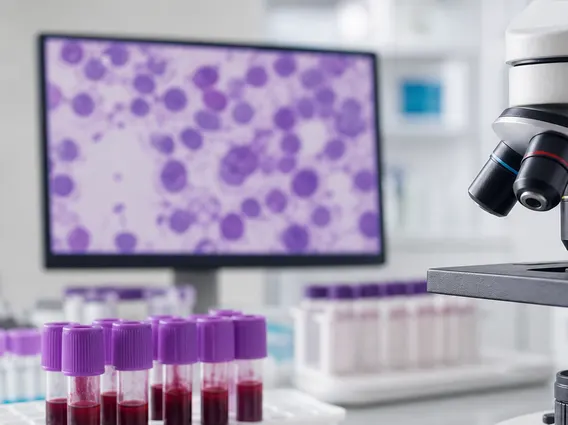
The proper functioning of applications of differentiation is indispensable for maintaining health. In healthy individuals, differentiation ensures that damaged tissues can be repaired and replaced, and that organs can perform their specialized functions effectively. For example, hematopoietic stem cells continuously differentiate to replenish various blood cell types, crucial for immunity and oxygen transport. Similarly, intestinal stem cells differentiate to replace the rapidly shedding cells lining the gut.
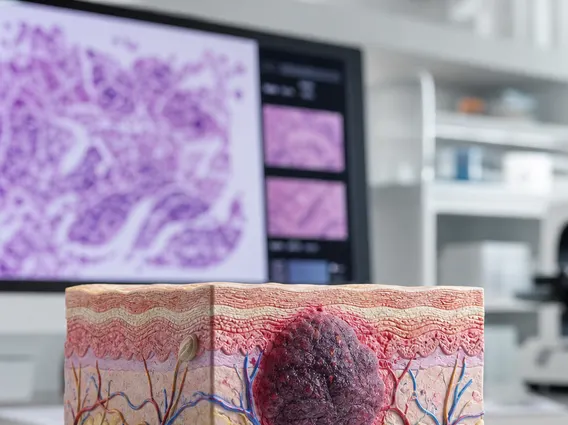
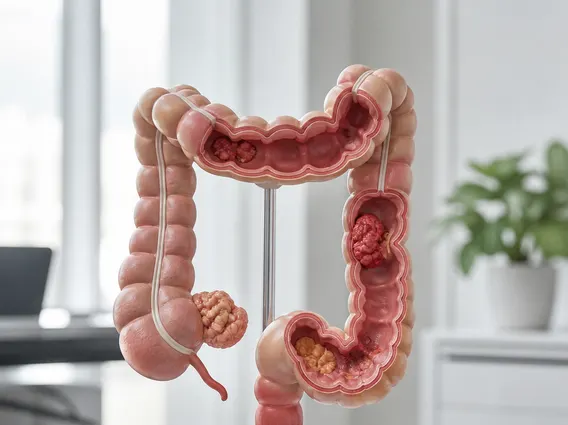
However, dysregulation of differentiation can have severe consequences, particularly in disease. One of the most significant examples is cancer, where cells often lose their specialized characteristics, a process known as dedifferentiation. Cancer cells may revert to a more primitive, undifferentiated state, allowing them to proliferate uncontrollably and evade normal cellular controls. Understanding the mechanisms of differentiation and dedifferentiation is therefore critical for developing new therapeutic strategies for regenerative medicine, tissue engineering, and cancer treatment. According to the World Health Organization (WHO), cancer remains a leading cause of death worldwide, underscoring the importance of research into fundamental cellular processes like differentiation.