
Stage Iii Wilms Tumor
Wilms tumor, also known as nephroblastoma, is a rare kidney cancer that primarily affects children. Understanding the specific characteristics of Stage III Wilms Tumor is crucial for effective diagnosis and treatment planning.
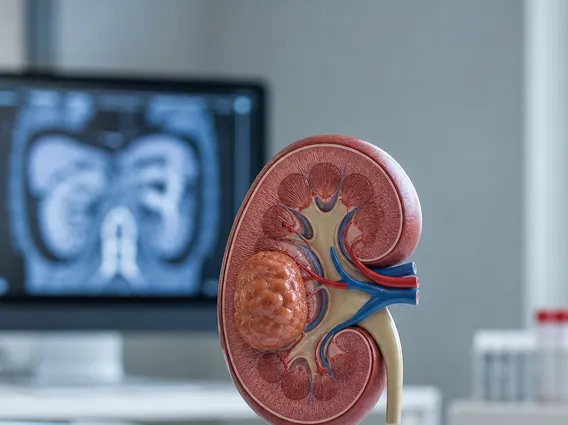
Key Takeaways
- Stage Iii Wilms Tumor indicates that the cancer has spread beyond the kidney but is confined to the abdomen, often involving lymph nodes or residual tumor after surgery.
- Common symptoms include an abdominal mass, pain, fever, and blood in the urine, prompting various diagnostic tests.
- Treatment typically involves a multimodal approach, combining surgery, chemotherapy, and sometimes radiation therapy.
- The prognosis for Stage III Wilms Tumor has significantly improved due to advancements in treatment protocols.
What is Stage Iii Wilms Tumor?
Stage Iii Wilms Tumor refers to a specific classification of Wilms tumor where the cancer has spread beyond the kidney but remains confined to the abdomen. This stage indicates that the tumor may have spread to nearby lymph nodes, ruptured before or during surgery, or has residual tumor cells in the abdomen after surgical removal. It is a critical stage in the progression of this pediatric kidney cancer. According to the American Cancer Society, Wilms tumor is the most common type of kidney cancer in children, with approximately 500 new cases diagnosed in the United States each year, and a significant portion of these present at Stage III.
In Stage III, the tumor cells are typically found in the abdominal cavity, often involving the peritoneum (the lining of the abdomen) or regional lymph nodes. Despite its spread, the cancer has not metastasized to distant organs like the lungs, liver, or bone marrow, which would classify it as Stage IV. The precise staging is determined after surgery, based on pathological examination of the removed tissue and lymph nodes, and careful assessment of the surgical field. This detailed staging guides the subsequent treatment strategy, which is often intensive due to the localized spread.
Symptoms and Diagnosis of Stage Iii Wilms Tumor
Recognizing stage iii Wilms tumor symptoms is vital for early intervention. The most common sign is a palpable abdominal mass, which parents or caregivers may notice during bathing or dressing. This mass is usually firm, non-tender, and can grow quite large. Other symptoms can include abdominal pain, fever of unknown origin, nausea, vomiting, and blood in the urine (hematuria). Some children may also experience high blood pressure due to the tumor affecting kidney function. These symptoms, while indicative, are not exclusive to Wilms tumor and require thorough medical investigation.
Diagnosis of Stage III Wilms Tumor involves a combination of imaging studies and biopsy. Initial evaluation often includes an ultrasound of the abdomen, followed by a CT scan or MRI to determine the tumor’s size, extent, and involvement of surrounding structures or lymph nodes. A chest X-ray or CT scan of the chest is also performed to check for any distant metastasis, which would change the staging. Definitive diagnosis and staging are confirmed after surgical removal of the kidney (nephrectomy) and pathological examination of the tumor and any suspicious lymph nodes. In some cases, a biopsy might be performed before surgery, though this is less common for Wilms tumor due to the risk of tumor rupture and upstaging.
Common diagnostic procedures include:
- Physical examination to detect an abdominal mass.
- Abdominal ultrasound to visualize the kidney and tumor.
- CT scan or MRI of the abdomen and pelvis for detailed staging.
- Chest X-ray or CT scan of the chest to rule out lung metastasis.
- Blood tests to assess kidney function and overall health.
Treatment Options and Prognosis for Stage Iii Wilms Tumor
Effective management of stage 3 Wilms tumor treatment options typically involves a multidisciplinary approach, combining surgery, chemotherapy, and often radiation therapy. The primary treatment usually begins with surgery to remove the affected kidney (nephrectomy) and any visible tumor spread. Following surgery, chemotherapy is administered to kill any remaining cancer cells and reduce the risk of recurrence. The specific chemotherapy regimen and duration depend on the tumor’s histology (favorable or anaplastic) and the child’s response to treatment. Radiation therapy to the abdomen is often recommended for Stage III cases, particularly if there was tumor rupture, positive surgical margins, or lymph node involvement, to target any microscopic residual disease.
The prognosis for stage 3 Wilms tumor has significantly improved over the past few decades due to advancements in treatment protocols and supportive care. Survival rates for children with Stage III Wilms Tumor with favorable histology are generally very good. According to data from the National Cancer Institute’s SEER program, the 5-year survival rate for localized Wilms tumor (which includes Stage III) is over 90%. However, the prognosis can vary based on several factors, including the tumor’s histology (anaplastic tumors have a less favorable prognosis), the child’s age, and the extent of lymph node involvement. Regular follow-up care, including imaging and blood tests, is crucial to monitor for recurrence and manage potential long-term side effects of treatment.
It is important to note that information regarding complementary therapies is supportive only and does not replace conventional medical treatment. Always consult with a qualified healthcare professional for any medical concerns or before making decisions about treatment.



















