Lymphaticovenous Anastomosis
Lymphaticovenous Anastomosis is a specialized microsurgical procedure designed to treat lymphedema by restoring the natural flow of lymphatic fluid. This innovative approach offers a promising solution for individuals suffering from chronic swelling and discomfort.
Key Takeaways
- Lymphaticovenous Anastomosis (LVA) is a minimally invasive microsurgical technique for treating lymphedema.
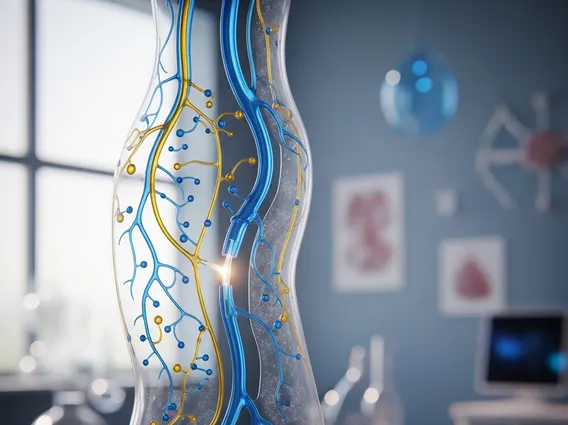
- LVA involves connecting lymphatic vessels directly to small veins, rerouting stagnant lymphatic fluid.
- It is primarily used for early to moderate stages of lymphedema, aiming to reduce swelling and symptoms.
- The procedure can significantly improve a patient’s quality of life by reducing limb volume and discomfort.
- LVA offers a physiological treatment option that complements traditional conservative lymphedema management.
What is Lymphaticovenous Anastomosis (LVA)?
Lymphaticovenous Anastomosis (LVA) refers to a sophisticated surgical technique that addresses lymphedema by creating direct connections between blocked lymphatic vessels and nearby venules (small veins). This microsurgical intervention aims to bypass damaged lymphatic pathways, allowing accumulated lymphatic fluid to drain into the venous system and return to general circulation. LVA is typically performed using highly specialized instruments and microscopes, enabling surgeons to work with structures as small as 0.3 to 0.8 millimeters in diameter.
The underlying principle of what is lymphaticovenous anastomosis is to restore a more natural physiological drainage pathway for lymphatic fluid, which is crucial for maintaining fluid balance and immune function. By diverting fluid from congested lymphatic vessels into the low-pressure venous system, LVA helps to reduce swelling and alleviate the symptoms associated with lymphedema, such as heaviness, discomfort, and skin changes. This procedure represents a significant advancement in the surgical management of lymphedema, offering a targeted approach to improve lymphatic function.
The LVA Procedure for Lymphedema
The lymphaticovenous anastomosis procedure is a delicate operation performed under regional or general anesthesia. It involves identifying functioning lymphatic vessels and suitable recipient veins, typically in the affected limb. Surgeons use supermicrosurgical techniques to create multiple anastomoses (connections) between these tiny structures. The goal is to establish new drainage routes for the lymphatic fluid that has become stagnant due to lymphatic system dysfunction, which is the hallmark of lymphedema.
For patients seeking lymphaticovenous anastomosis for lymphedema, the procedure often begins with preoperative imaging, such as indocyanine green (ICG) lymphography, to map the lymphatic vessels and identify areas of congestion and functional lymphatic vessels. During the surgery, small incisions are made in the skin, usually just a few centimeters long. Through these incisions, the surgeon carefully isolates lymphatic vessels and adjacent veins. Using specialized sutures finer than human hair, the lymphatic vessels are then meticulously connected to the veins. This allows the lymphatic fluid to flow directly into the bloodstream, bypassing the compromised lymphatic collectors. The number of anastomoses created depends on the extent and severity of the lymphedema, with multiple connections often being necessary to achieve optimal drainage.
Post-procedure care typically involves compression therapy and close monitoring to ensure the success of the anastomoses and manage any residual swelling. Patients are usually encouraged to continue with conservative lymphedema management, such as manual lymphatic drainage and compression garments, as part of a comprehensive treatment plan.
Benefits of Lymphaticovenous Anastomosis
The lymphaticovenous anastomosis benefits are significant for individuals living with lymphedema. One of the primary advantages is the reduction in limb volume and swelling, which can lead to a substantial improvement in physical comfort and mobility. By restoring a more efficient lymphatic drainage, LVA helps to alleviate the feelings of heaviness, tightness, and pain commonly experienced by lymphedema patients. This physiological improvement can also reduce the frequency and severity of cellulitis, a common and serious complication of lymphedema, as stagnant fluid provides an ideal environment for bacterial growth.
Beyond the physical improvements, LVA can also enhance a patient’s quality of life by reducing their reliance on intensive conservative therapies. While compression garments and manual lymphatic drainage remain important, successful LVA can decrease the need for constant, rigorous management, offering greater freedom and independence. Patients often report improved skin health, reduced skin thickening, and a better cosmetic appearance of the affected limb. According to a study published in the journal “Plastic and Reconstructive Surgery,” LVA can achieve significant volume reduction in lymphedematous limbs, with many patients experiencing a decrease in excess limb volume by 30-50% or more, leading to improved functional outcomes and patient satisfaction.