
Lymphedema
Lymphedema is a chronic condition characterized by localized fluid retention and tissue swelling, primarily caused by a compromised lymphatic system. This article explores the nature of Lymphedema, its common symptoms, underlying causes, and effective strategies for treatment and long-term management.
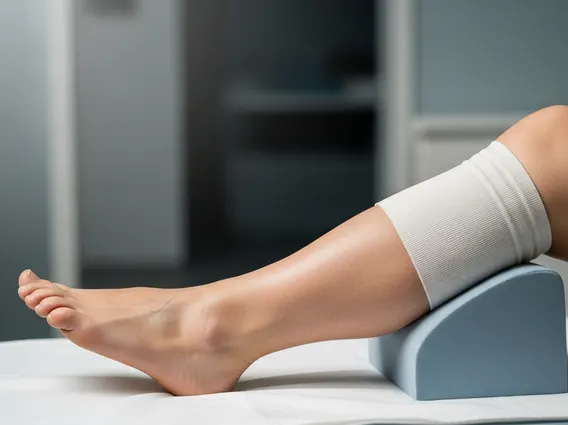
Key Takeaways
- Lymphedema is a chronic swelling condition resulting from impaired lymphatic system function.
- It can be primary (genetic) or secondary, often developing after cancer treatment.
- Symptoms include swelling, heaviness, skin changes, and discomfort.
- While there is no cure, effective management involves therapies like Complete Decongestive Therapy (CDT), compression, exercise, and diligent skin care.
- Early diagnosis and consistent management are crucial for improving quality of life and preventing complications.
What is Lymphedema?
Lymphedema is a chronic, progressive condition characterized by localized swelling, typically in an arm or leg, but it can also affect other parts of the body such as the trunk, head, or genitals. It occurs when the lymphatic system, a vital part of the immune and circulatory systems, is unable to adequately drain lymph fluid, leading to its accumulation in the interstitial tissues. This fluid buildup causes swelling, discomfort, and can lead to changes in the skin and underlying tissues over time. The condition can significantly impact a person’s physical function and quality of life.
Lymphedema is broadly classified into two main types: primary and secondary. Primary Lymphedema is a rare, inherited condition caused by developmental abnormalities in the lymphatic system. Secondary Lymphedema, which is far more common, results from damage to the lymphatic system due to external factors.
Lymphedema Symptoms and Causes
Understanding the lymphedema symptoms and causes is crucial for early detection and intervention. The primary symptom is swelling in the affected limb or body part, which may initially be subtle but can progress to become significant and debilitating.
Common symptoms include:
- Swelling of part or all of the arm or leg, including fingers or toes.
- A feeling of heaviness or tightness in the affected limb.
- Restricted range of motion.
- Aching or discomfort.
- Recurring infections (cellulitis).
- Hardening and thickening of the skin (fibrosis).
- Pitting edema (indentation remains after pressing the skin).
The most common cause of secondary Lymphedema is damage to the lymphatic system resulting from cancer treatment. This can include surgical removal of lymph nodes (e.g., during mastectomy for breast cancer), radiation therapy that damages lymphatic vessels, or scar tissue formation that obstructs lymph flow. Other causes can include severe infections (like cellulitis or filariasis), trauma, or chronic venous insufficiency. According to the Centers for Disease Control and Prevention (CDC), secondary lymphedema affects approximately 1 in 4 cancer patients, highlighting its significant impact on survivors.
Lymphedema Treatment and Management
While there is currently no cure for Lymphedema, various strategies exist for effectively managing its symptoms and improving the patient’s quality of life. The cornerstone of treatment is often Complete Decongestive Therapy (CDT), a comprehensive program that combines several techniques.
Key components of Lymphedema treatment and living with lymphedema management include:
- Manual Lymphatic Drainage (MLD): A specialized massage technique performed by a trained therapist to gently move lymph fluid from the swollen area towards functioning lymph nodes.
- Compression Therapy: Involves the use of compression bandages or garments (sleeves, stockings) to prevent fluid accumulation and support the affected limb.
- Therapeutic Exercise: Specific exercises designed to improve lymph flow, strengthen muscles, and increase range of motion.
- Skin Care: Meticulous skin hygiene is essential to prevent infections, as compromised skin in lymphedematous areas is more susceptible.
- Education: Patients are educated on self-management techniques, risk reduction strategies, and the importance of lifelong adherence to their treatment plan.
Long-term management often requires a multidisciplinary approach involving physicians, physical therapists, occupational therapists, and certified lymphedema therapists. Consistent adherence to the treatment plan is vital to control swelling, prevent complications like infections and fibrosis, and maintain functional independence. It is important to note that while some complementary therapies may offer supportive benefits, they should not replace conventional medical treatment for Lymphedema.



















