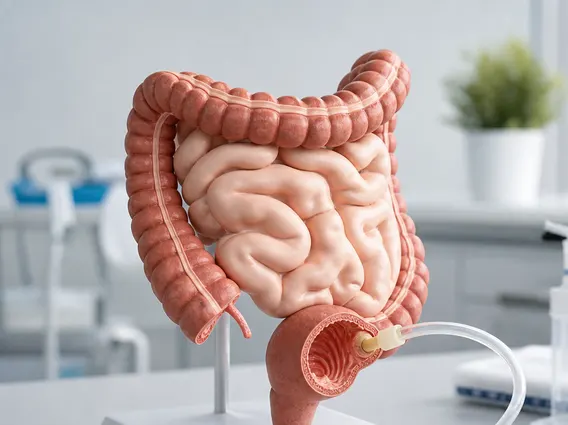
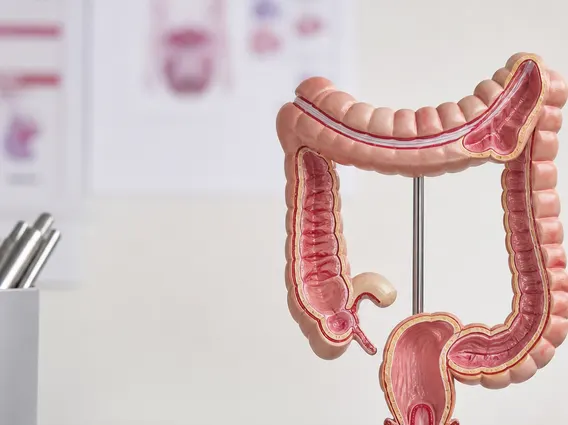
Constipation
Constipation is a common digestive issue characterized by infrequent bowel movements or difficulty passing stools. It can affect people of all ages and is often a temporary condition, though it can sometimes indicate an underlying health concern.
Key Takeaways
- Constipation is defined by infrequent bowel movements or difficulty passing stools, typically fewer than three times per week.
- Common symptoms of constipation include straining, hard stools, and a feeling of incomplete evacuation.
- Various factors contribute to the causes of constipation, such as low fiber intake, dehydration, lack of physical activity, and certain medications.
- Strategies for how to relieve constipation involve dietary adjustments, increased fluid intake, regular exercise, and over-the-counter remedies.
- Persistent or severe constipation warrants medical evaluation to rule out underlying conditions.
What is Constipation?
Constipation refers to a condition where an individual experiences infrequent bowel movements or difficulty passing stools. Typically, this means having fewer than three bowel movements per week. The stools are often hard, dry, or lumpy, and passing them may require significant straining, leading to discomfort and a feeling of incomplete evacuation. While occasional constipation is common, chronic cases can significantly impact quality of life and may require medical attention. According to the National Institute of Diabetes and Digestive and Kidney Diseases (NIDDK), approximately 16% of adults in the United States experience symptoms of constipation, with prevalence increasing to about 33% in those aged 60 and older. This widespread issue often stems from lifestyle factors or underlying health conditions.
Symptoms and Causes of Constipation
Recognizing the symptoms of constipation is crucial for timely management, as they can vary in severity and presentation. These signs often include:
- Having fewer than three bowel movements per week.
- Passing hard, dry, or lumpy stools.
- Straining to have bowel movements.
- Feeling as though there’s a blockage in the rectum that prevents bowel movements.
- Feeling as though you cannot completely empty the stool from your rectum.
- Needing help to empty your rectum, such as using your hands to press on your abdomen or using a finger to remove stool from your rectum.
Understanding the causes of constipation is key to effective prevention and treatment. Numerous factors contribute to this condition, including:
- Dietary Factors: A diet low in fiber, found in fruits, vegetables, and whole grains, is a primary contributor. Fiber adds bulk to stool, aiding its passage through the intestines.
- Dehydration: Insufficient fluid intake can lead to hard, dry stools that are difficult to pass.
- Lack of Physical Activity: A sedentary lifestyle can slow down the digestive process, making it harder for stool to move through the colon.
- Medications: Certain drugs, such as opioids, antacids containing aluminum or calcium, antidepressants, and iron supplements, can cause constipation as a side effect.
- Changes in Routine: Travel, changes in diet, or stress can disrupt normal bowel function.
- Ignoring the Urge: Suppressing the urge to have a bowel movement can eventually lead to a weakened signal and more difficulty passing stool.
- Medical Conditions: Underlying health issues like irritable bowel syndrome (IBS), diabetes, thyroid disorders (hypothyroidism), and neurological conditions (e.g., Parkinson’s disease, multiple sclerosis) can also contribute to constipation.
How to Relieve Constipation
Effective strategies for how to relieve constipation primarily involve lifestyle modifications. Implementing these changes can often alleviate symptoms and prevent recurrence.
Dietary and Lifestyle Adjustments:
- Increase Fiber Intake: Gradually incorporate more high-fiber foods into your diet, such as whole grains, legumes, fruits with skin, and vegetables. Aim for 25 to 30 grams of fiber per day for adults.
- Stay Hydrated: Drink plenty of water and other clear fluids throughout the day. This helps soften stools, making them easier to pass.
- Regular Exercise: Engage in physical activity most days of the week. Exercise helps stimulate the natural contractions of the intestines, which aids in moving stool.
- Establish a Routine: Try to have a bowel movement at the same time each day, ideally after a meal, to train your body’s natural rhythm. Do not ignore the urge to go.
Over-the-Counter Remedies:
If lifestyle changes prove insufficient, over-the-counter options may offer relief. These include fiber supplements, stool softeners, osmotic laxatives, and stimulant laxatives. It is crucial to use laxatives cautiously and as directed, as overuse can lead to dependency. Always consult a healthcare professional before starting new medications, especially for persistent or severe constipation, or if you have underlying health conditions.
This information is intended for supportive purposes only and does not replace professional medical advice or treatment. Always consult with a qualified healthcare provider for diagnosis and treatment of medical conditions.