Cisplatin
Cisplatin is a widely used chemotherapy drug that plays a crucial role in the treatment of various cancers. Understanding its function, applications, and potential side effects is essential for patients and healthcare providers alike.
Key Takeaways
- Cisplatin is a platinum-based chemotherapy drug used to treat a broad spectrum of cancers.
- Its primary mechanism involves forming DNA adducts, leading to cell cycle arrest and apoptosis in cancer cells.
- Common uses include testicular, ovarian, bladder, and head and neck cancers.
- Significant side effects can occur, including nephrotoxicity, neurotoxicity, ototoxicity, and myelosuppression.
- Careful monitoring and supportive care are vital during Cisplatin treatment to manage adverse reactions.
What is Cisplatin?
Cisplatin is a potent platinum-based chemotherapy agent widely utilized in oncology for its effectiveness against a broad range of solid tumors. It is classified as an alkylating-like drug, meaning it interferes with the DNA of cancer cells, preventing their growth and division. This crucial cisplatin drug information highlights its role as a foundational compound in many cancer treatment regimens worldwide. Its discovery marked a significant advancement in chemotherapy, offering a new avenue for combating various malignancies.
Cisplatin Uses and Mechanism of Action
Cisplatin is used for treating several types of cancer, often as part of combination therapy. The primary applications include testicular cancer, ovarian cancer, bladder cancer, head and neck cancer, lung cancer, and cervical cancer. Its broad spectrum of activity makes it a versatile agent in oncology.
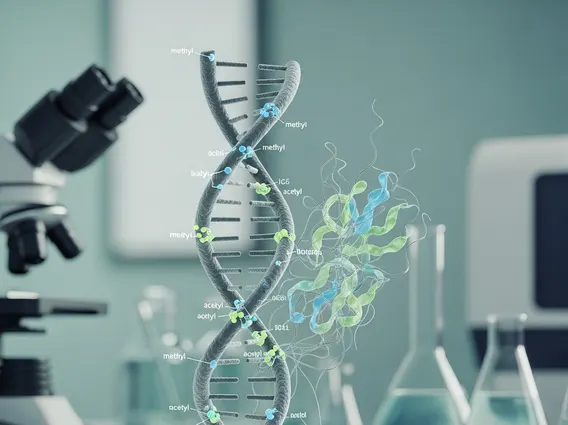
The cisplatin mechanism of action involves its interaction with DNA within cancer cells. Once inside the cell, Cisplatin undergoes hydrolysis, forming reactive platinum complexes. These complexes bind to the DNA, primarily forming intra-strand and inter-strand crosslinks. These DNA adducts distort the DNA helix, leading to several cellular responses:
- Inhibition of DNA replication and transcription.
- Activation of DNA repair pathways, which are often overwhelmed in cancer cells.
- Induction of cell cycle arrest.
- Ultimately, initiation of programmed cell death (apoptosis) in the affected cancer cells.
This DNA-damaging action is critical for its cytotoxic effects, making it highly effective against rapidly dividing cancer cells.
Cisplatin Chemotherapy Side Effects
While highly effective, cisplatin chemotherapy side effects can be significant and require careful management. The severity and type of side effects can vary among individuals, depending on the dose, duration of treatment, and individual patient factors.
Some of the most common and clinically relevant side effects include:
- Nephrotoxicity: Kidney damage is a major concern, often dose-limiting. Hydration protocols are crucial to mitigate this risk.
- Neurotoxicity: Peripheral neuropathy, characterized by numbness, tingling, or pain in the hands and feet, can develop and may be irreversible.
- Ototoxicity: Hearing loss (tinnitus or high-frequency hearing loss) is another common side effect, particularly in children and older adults.
- Myelosuppression: Suppression of bone marrow activity, leading to reduced blood cell counts (anemia, leukopenia, thrombocytopenia), increasing the risk of infection and bleeding.
- Severe Nausea and Vomiting: Cisplatin is highly emetogenic, requiring aggressive antiemetic prophylaxis.
- Electrolyte Disturbances: Hypomagnesemia, hypokalemia, and hypocalcemia can occur.
According to a review published in the Journal of Clinical Oncology, nephrotoxicity occurs in approximately 25-30% of patients receiving Cisplatin without adequate hydration, while ototoxicity can affect up to 20% of adult patients and a higher percentage of pediatric patients. Close monitoring of kidney function, neurological status, and audiometry is essential throughout the treatment course to detect and manage these adverse effects promptly.