Chimeric
In the realm of biology and medicine, the term Chimeric refers to an entity composed of cells, tissues, or genetic material from two or more distinct individuals or species. This fascinating biological phenomenon has profound implications for understanding development, disease, and potential therapeutic interventions.
Key Takeaways
- Chimeric describes an organism or tissue containing cells from two or more genetically distinct sources.
- Chimerism can occur naturally, such as in some twin pregnancies, or be induced through medical procedures like organ transplantation.
- Chimeric organisms are vital for research, allowing scientists to study cell development and disease progression.
- Chimeric DNA research involves combining genetic material from different sources to create novel sequences with specific functions.
- Therapeutic applications of chimerism range from treating blood disorders to developing advanced gene therapies.
What is Chimeric? Understanding the Definition
Chimeric refers to the presence of cells from two or more distinct genetic origins within a single individual. This concept, derived from the mythical creature Chimera (a beast composed of parts from various animals), signifies a biological entity that is a mosaic of different genetic components. The **chimeric definition** encompasses a broad spectrum of biological scenarios, from the natural fusion of cells to engineered genetic constructs.
At its core, chimerism implies a blend where the different cell populations coexist, often functioning together. This can manifest at various levels, from an entire organism composed of cells from different zygotes to a single cell containing DNA sequences from disparate sources. Understanding this phenomenon is crucial for fields such as immunology, genetics, and regenerative medicine, as it challenges traditional notions of individuality and genetic uniformity.
Chimeric Organisms: Formation and Examples
Chimeric organisms can arise through both natural processes and deliberate scientific intervention. Naturally occurring chimerism is rare but significant. For instance, in some cases of fraternal twin pregnancies, cells can be exchanged between the fetuses, leading to individuals who possess blood cells or other tissues from their sibling. This is known as microchimerism, where a small population of foreign cells persists in the host.
Medically induced chimerism is more common and often therapeutic. A prime example is bone marrow transplantation, where a patient’s diseased bone marrow is replaced with healthy stem cells from a donor. The recipient then becomes a chimera, possessing their own cells alongside the donor’s immune and blood-forming cells. This procedure is life-saving for conditions like leukemia and aplastic anemia. In research, scientists create chimeric organisms by introducing cells from one species into another, such as human cells into animal embryos, to study human development and disease in a living system. For example, the National Institutes of Health (NIH) supports research into human-animal chimeras to understand early human development and model diseases, with strict ethical guidelines in place to ensure responsible scientific practice.
Here are some key ways chimeric organisms can form:
- Tetragametic Chimerism: Fusion of two separate zygotes early in development, resulting in an individual with four sets of chromosomes and two distinct cell lines.
- Microchimerism: Exchange of a small number of cells between a mother and fetus during pregnancy, or between fraternal twins.
- Artificial Chimerism: Induced through medical procedures like organ or bone marrow transplantation, or through laboratory techniques for research purposes.
Chimeric DNA Research and Therapeutic Applications
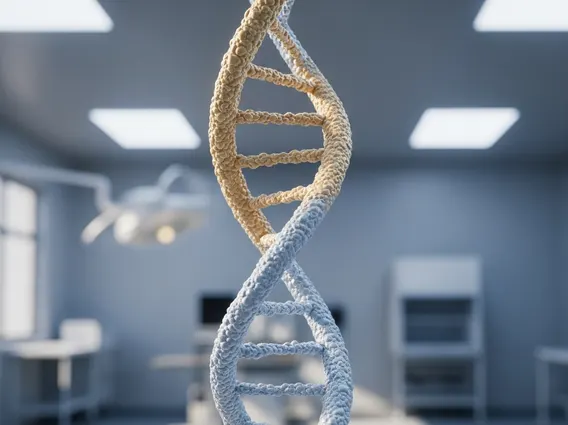
Beyond whole organisms, the concept of chimerism extends to the molecular level, particularly in genetics. **Chimeric DNA research** involves combining genetic material from different sources to create novel DNA sequences or constructs. This is a cornerstone of genetic engineering and biotechnology, enabling scientists to design genes with specific functions or to produce proteins with enhanced properties.
One prominent application is in the development of chimeric antigen receptor (CAR) T-cell therapy, a revolutionary cancer treatment. In this therapy, a patient’s T-cells are genetically modified to express a chimeric receptor that enables them to recognize and attack cancer cells more effectively. This involves inserting a synthetic gene, a chimeric DNA construct, into the T-cells. The success of CAR T-cell therapy in treating certain blood cancers, as reported by organizations like the American Cancer Society, highlights the immense potential of chimeric DNA research in clinical settings. Furthermore, chimeric DNA constructs are used in vaccine development, gene therapy vectors, and the creation of transgenic organisms for agricultural and pharmaceutical purposes, offering innovative solutions to complex biological challenges.