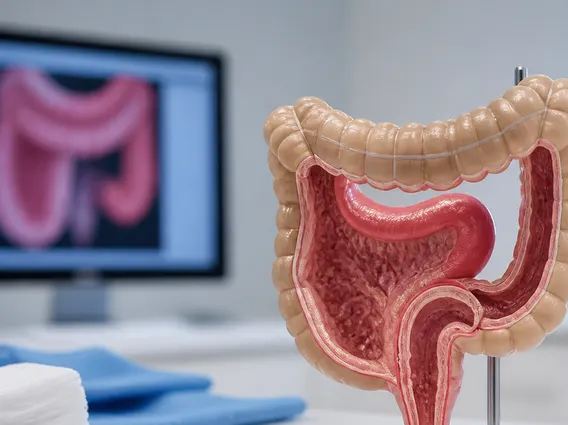
Curative Surgery
Curative Surgery represents a critical intervention in modern medicine, primarily aimed at eradicating disease from the body. This approach is distinct from palliative surgery, which focuses on symptom relief rather than a cure.

Key Takeaways
- Curative Surgery is a medical procedure designed to completely remove or correct a disease, offering a potential cure.
- Its primary purpose is to eliminate diseased tissue, such as tumors or infected organs, with the goal of preventing recurrence.
- The process involves careful pre-operative planning, precise surgical removal, and post-operative recovery to ensure complete eradication.
- Various procedures fall under this category, ranging from tumor resections to organ removals, depending on the specific condition.
- Success often depends on factors like early detection, disease stage, and the surgeon’s ability to achieve clear margins.
What is Curative Surgery: Definition and Purpose
Curative Surgery refers to a surgical intervention performed with the explicit intent of completely removing or correcting a disease, thereby offering a potential cure. This approach is fundamentally different from other surgical types, such as diagnostic, palliative, or reconstructive surgeries, which serve different objectives. The core curative surgery definition and purpose centers on achieving disease-free status for the patient.
The primary goal of curative surgery is to eliminate the source of the illness, whether it’s a malignant tumor, an infected organ, or a structural abnormality. For instance, in oncology, curative surgery aims to remove all cancerous cells and tissue, including any surrounding margins, to prevent the disease from returning. This makes it a cornerstone in the treatment of many cancers and other conditions where localized disease can be fully excised. According to the World Health Organization (WHO), surgical care is a critical component of universal health coverage, with curative interventions playing a significant role in improving health outcomes globally.
How Curative Surgery Works
Curative surgery operates on the principle of physically removing the diseased tissue or organ from the body. The process typically begins with thorough diagnostic imaging and biopsies to precisely locate and characterize the disease. This detailed understanding allows surgeons to plan the procedure meticulously, aiming to remove the affected area while preserving as much healthy tissue and function as possible.
During the operation, the surgeon carefully excises the diseased part. A crucial aspect of many curative procedures, especially in cancer treatment, is achieving “clear margins,” meaning that no diseased cells are found at the edges of the removed tissue. This indicates that the entire disease has likely been removed. Post-operative recovery involves monitoring for complications and often includes adjuvant therapies like chemotherapy or radiation, particularly in cancer cases, to eliminate any microscopic residual disease and further reduce the risk of recurrence. The effectiveness of the procedure relies heavily on the surgeon’s skill, the stage of the disease, and the patient’s overall health.
Types of Curative Surgical Procedures
The application of curative surgery spans a wide range of medical conditions, reflecting its versatility and effectiveness in achieving disease eradication. The specific approach taken depends on the nature, location, and extent of the disease. These types of curative surgical procedures are often highly specialized, requiring specific expertise and advanced surgical techniques.
Common examples include:
- Tumor Resection: Surgical removal of cancerous tumors, often including surrounding lymph nodes, to achieve clear margins. This is a primary treatment for many solid organ cancers.
- Organ Removal (e.g., Nephrectomy, Colectomy): Excision of an entire organ that is diseased beyond repair or is a source of widespread pathology, such as a kidney with a large tumor or a segment of the colon affected by inflammatory bowel disease or cancer.
- Appendectomy: Removal of an inflamed appendix, a common emergency curative procedure for appendicitis.
- Cholecystectomy: Surgical removal of the gallbladder, typically performed to treat symptomatic gallstones or gallbladder inflammation.
- Thyroidectomy: Removal of part or all of the thyroid gland, often for thyroid cancer or severe hyperthyroidism.
Each of these procedures is designed to eliminate the specific pathology, aiming for a complete resolution of the underlying condition and a return to health. The choice of procedure is always made after a comprehensive evaluation of the patient’s condition and a multidisciplinary discussion among healthcare professionals.