
Curettage
Curettage is a common medical procedure involving the removal of tissue or growths from a body cavity or surface using a spoon-shaped instrument called a curette. This technique is widely utilized across various medical specialties for both diagnostic and therapeutic purposes.
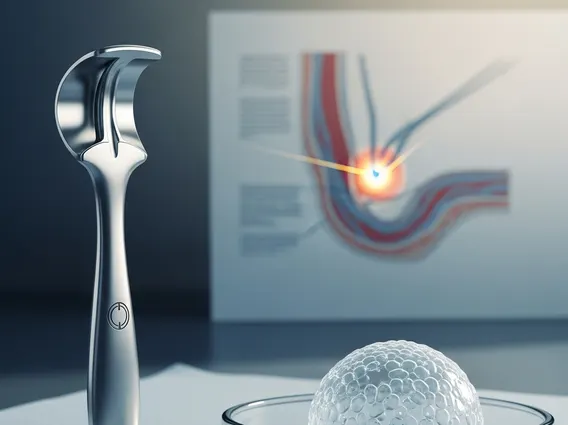
Key Takeaways
- Curettage is a medical procedure that involves scraping tissue from a body surface or cavity.
- It is primarily used for diagnostic purposes, such as biopsy, and therapeutic interventions, like removing abnormal growths.
- Common types include D&C for uterine procedures, skin curettage for dermatological conditions, and bone curettage for orthopedic issues.
- The procedure typically involves local or general anesthesia, depending on the site and extent of the intervention.
- Recovery time varies based on the type of curettage performed, with most patients experiencing mild discomfort and resuming normal activities within a few days to weeks.
What is Curettage: Medical Definition
Curettage is a medical procedure defined as the scraping or scooping of tissue from the walls of a body cavity or from a surface, typically performed using a surgical instrument known as a curette. This instrument features a loop, scoop, or ring at its tip, designed to effectively remove tissue. The primary goals of curettage can be diagnostic, such as obtaining tissue for biopsy to identify diseases like cancer, or therapeutic, aimed at removing abnormal or unwanted tissue.
The procedure is fundamental in several medical fields, including gynecology, dermatology, and orthopedics. Its application depends on the specific area of the body being treated and the medical condition requiring intervention. For instance, in gynecology, it is often used to address conditions within the uterus, while in dermatology, it can remove skin lesions. The precise technique and type of curette used are tailored to ensure efficacy and minimize patient discomfort.
Types of Curettage and Procedure Details
The specific approach to curettage varies significantly depending on the anatomical site and the medical indication. Understanding the different types helps to clarify the diverse applications of this technique. The general process involves preparing the area, administering anesthesia, performing the scraping, and managing the site post-procedure.
Here are some common types of curettage procedures:
- Dilation and Curettage (D&C): This is one of the most well-known forms of curettage, primarily performed on the uterus. It involves dilating the cervix (dilation) and then scraping the uterine lining (curettage) to remove tissue. A D&C can be used to diagnose uterine conditions, remove tissue after a miscarriage or abortion, or treat heavy uterine bleeding. According to the Centers for Disease Control and Prevention (CDC), D&C is a common procedure, with hundreds of thousands performed annually in the United States for various gynecological indications.
- Skin Curettage: Used in dermatology to remove superficial skin lesions, such as warts, molluscum contagiosum, or certain types of skin cancers (e.g., basal cell carcinoma). The procedure involves numbing the skin with a local anesthetic, then scraping away the lesion with a dermatological curette.
- Bone Curettage: Performed in orthopedics to remove abnormal tissue from bone, such as bone tumors (benign or malignant) or infections. This procedure often requires general anesthesia and a more invasive approach to access the bone.
- Dental Curettage: In dentistry, this refers to the scraping of infected tissue from the gum pockets or tooth sockets to treat periodontal disease or prepare for dental implants.
The curettage procedure typically begins with the administration of anesthesia, which can range from local numbing to general anesthesia, depending on the complexity and location of the procedure. The area is then cleaned and draped. The curette is carefully inserted or applied to the target area, and the abnormal tissue is gently scraped away. The removed tissue is often sent to a laboratory for pathological examination.
Curettage Uses and Recovery Process
The applications of curettage are broad, encompassing both diagnostic and therapeutic roles. Diagnostically, it provides tissue samples crucial for identifying various diseases, including precancerous conditions and certain types of cancer. Therapeutically, it is effective in removing abnormal growths, controlling bleeding, and managing complications from pregnancy.
The curettage uses and recovery process vary significantly based on the type of procedure performed and the patient’s overall health. For minor procedures like skin curettage, recovery is usually quick, involving minimal discomfort and a return to normal activities within a day or two. Patients might experience mild soreness, redness, or a small scab at the site, which heals within a week or two.
For more invasive procedures, such as a D&C or bone curettage, the recovery period can be longer. Patients undergoing a D&C might experience cramping and light bleeding for several days to a week. Pain can usually be managed with over-the-counter pain relievers. It is generally advised to avoid strenuous activity, tampons, and sexual intercourse for a specified period (often one to two weeks) to prevent infection and allow the body to heal. Full recovery typically occurs within a few weeks. Patients are usually given specific post-operative instructions, including signs of complications to watch for, such as heavy bleeding, fever, or severe pain, and when to seek medical attention.



















