
Curette
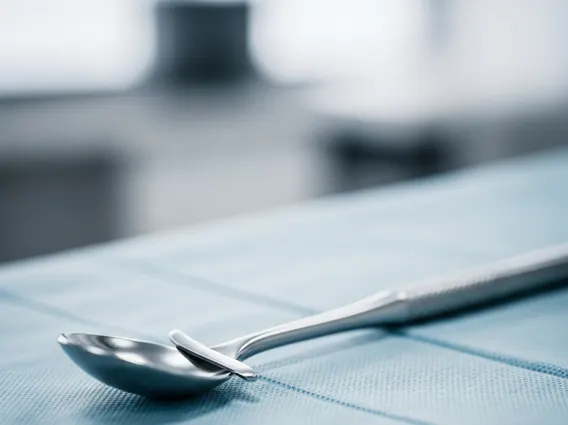
A curette is a specialized surgical instrument designed for scraping or debriding biological tissue or debris from a body cavity or surface. This versatile tool is essential in numerous medical and dental procedures, enabling precise removal of material while minimizing trauma to surrounding healthy tissue.
Key Takeaways
- A curette is a surgical instrument used for scraping or removing tissue and debris from body surfaces or cavities.
- Its design features a scoop-shaped or spoon-shaped tip, varying in sharpness and size based on its intended medical application.
- Curettes are utilized across various medical specialties, including general surgery, dermatology, otolaryngology, and gynecology.
- Dental curettes are critical for periodontal care, specifically designed to remove plaque, calculus, and diseased tissue from teeth and gum pockets.
- Proper selection and use of the correct curette type are crucial for effective treatment and patient safety.
What is a Curette: Definition and Medical Purpose
A Curette definition and medical purpose involves its role as a fundamental surgical instrument characterized by a small, scoop-shaped, spoon-shaped, or loop-shaped tip attached to a handle. This design allows medical professionals to effectively scrape, debride, or remove tissue, growths, or foreign material from various anatomical sites. The instrument’s precision makes it invaluable for both diagnostic and therapeutic procedures across a wide spectrum of medical fields.
The primary function of a curette is to facilitate the removal of abnormal growths, clean infected areas, or collect tissue samples for biopsy. For instance, in gynecology, uterine curettes are used for procedures like dilation and curettage (D&C) to remove tissue from the uterus. In orthopedics, bone curettes help in debriding bone or removing lesions. The material composition, typically medical-grade stainless steel, ensures durability and sterility, while the specific shape and size of the working end are meticulously crafted to suit the delicate or robust nature of the intended application.
Types of Curettes and Their Applications
The diversity of medical procedures necessitates a wide array of curette designs, each tailored for specific applications. Types of curettes and their applications span across various medical specialties, reflecting the instrument’s adaptability and crucial role in patient care. These instruments are differentiated by their tip shape, size, sharpness, and handle design, optimizing them for particular anatomical access and tissue manipulation.
Common types of curettes include:
- Surgical Curettes: Used in general surgery for tasks such as debridement of wounds, removal of bone fragments, or harvesting bone graft material. Examples include Volkmann curettes, which are robust instruments for bone procedures, and uterine curettes, which are designed for gynecological interventions.
- Dermatological Curettes: Employed by dermatologists to scrape away superficial skin lesions like warts, molluscum contagiosum, or certain types of basal cell carcinomas. These often feature a very sharp, circular or oval blade that allows for precise removal of epidermal tissue.
- Ear Curettes: Delicate instruments used in otolaryngology (ear, nose, and throat medicine) to carefully remove impacted earwax (cerumen) or foreign bodies from the ear canal, designed to minimize trauma to the sensitive ear structures.
- Ophthalmic Curettes: Extremely fine and precise instruments used in ophthalmology for delicate procedures around the eye, such as the removal of chalazia (cysts on the eyelid).
Each type is meticulously crafted to ensure efficacy and patient safety within its specific clinical context, highlighting the importance of selecting the correct instrument for the task to achieve optimal outcomes.
Understanding Dental Curette Instruments
Within dentistry, curettes are indispensable tools, particularly in periodontal care, which focuses on the health of the gums and supporting structures of the teeth. Understanding dental curette instruments is crucial for effective treatment of gum disease and maintaining overall oral health. These instruments are specifically designed to remove plaque, calculus (tartar), and diseased tissue from tooth surfaces and within periodontal pockets, which are spaces that form between the teeth and gums due to infection.
Dental curettes typically feature a fine, angled blade with a rounded toe, allowing them to access deep pockets and root surfaces without causing undue trauma to the soft tissues of the gums. There are two primary categories: universal curettes, such as the Columbia or Barnhart curettes, which can be used on multiple tooth surfaces; and area-specific curettes, like Gracey curettes, which are designed with precise angulations to adapt to specific tooth surfaces (e.g., mesial, distal, buccal, lingual surfaces of anterior or posterior teeth). The precise angulation and design of these instruments enable dental professionals to meticulously clean root surfaces, smooth them to prevent further bacterial accumulation, promote reattachment of gum tissue, and prevent the further progression of periodontal disease.



















