Cervical Squamous Intraepithelial Neoplasia 2
Cervical Squamous Intraepithelial Neoplasia 2 (CIN2) represents a moderate-grade precancerous condition affecting the cells on the surface of the cervix. Understanding this diagnosis is crucial for timely intervention and preventing the progression to cervical cancer.
Key Takeaways
- CIN2 is a moderate precancerous change in cervical cells, indicating abnormal growth confined to the surface layer.
- The primary cause of CIN2 is persistent infection with high-risk types of the Human Papillomavirus (HPV).
- Diagnosis typically involves an abnormal Pap test, followed by colposcopy and a definitive biopsy.
- Treatment usually involves procedures like LEEP or conization to remove the affected tissue.
- Regular follow-up and continued screening are essential after treatment to monitor for recurrence or progression.
What is Cervical Squamous Intraepithelial Neoplasia 2 (CIN2)?
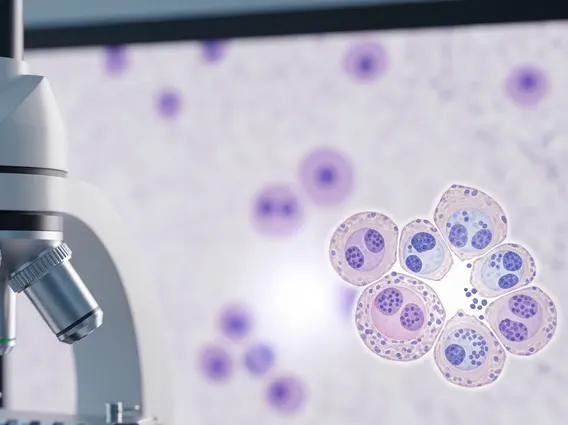
Cervical Squamous Intraepithelial Neoplasia 2 (CIN2) refers to a moderate-grade precancerous lesion found on the cervix. This condition involves abnormal cell growth, or dysplasia, that is confined to the surface layer (epithelium) of the cervix and has not yet invaded deeper tissues. It is categorized as an intermediate stage between mild dysplasia (CIN1) and severe dysplasia or carcinoma in situ (CIN3).
While CIN2 is not cancer, it indicates a significant risk of progression to invasive cervical cancer if left untreated. However, it is also important to note that a substantial number of CIN2 cases can regress spontaneously, particularly in younger individuals. According to the Centers for Disease Control and Prevention (CDC), persistent infection with high-risk human papillomavirus (HPV) is responsible for almost all cases of cervical cancer and its precursor lesions like CIN2.
CIN2 Symptoms, Causes, and Diagnosis
One of the challenging aspects of CIN2 symptoms causes and diagnosis is that the condition often presents without any noticeable symptoms. Most women with CIN2 will not experience pain, abnormal bleeding, or other indicators. When symptoms do occur, they are typically non-specific and may include abnormal vaginal bleeding (especially after intercourse), unusual discharge, or pelvic discomfort, which can also be indicative of many other less serious conditions.
The primary cause of CIN2 is persistent infection with high-risk types of the Human Papillomavirus (HPV). HPV is a very common sexually transmitted infection, and while most infections clear on their own, persistent infection with certain types (such as HPV-16 and HPV-18) can lead to cellular changes over time. Risk factors that increase the likelihood of developing CIN2 include:
- Multiple sexual partners or a partner with multiple partners
- Early age of first sexual intercourse
- A weakened immune system (e.g., due to HIV or immunosuppressant medications)
- Smoking
- Long-term use of oral contraceptives
Diagnosis of CIN2 typically begins with an abnormal result from a routine Pap test, which screens for abnormal cervical cells. If a Pap test is abnormal, the next step is usually a colposcopy. During a colposcopy, a healthcare provider uses a magnifying instrument to examine the cervix more closely. If suspicious areas are identified, a small tissue sample (biopsy) is taken. The definitive diagnosis of CIN2 is made by a pathologist examining the biopsy under a microscope, confirming the presence of moderate dysplasia.
Treatment, Prognosis, and Follow-Up for CIN2
The primary goal of treatment for cervical squamous intraepithelial neoplasia is to remove the abnormal cells and prevent their progression to invasive cancer. The most common treatment options are excisional procedures, which involve removing the affected tissue while preserving as much healthy cervical tissue as possible. These include:
- Loop Electrosurgical Excision Procedure (LEEP): This procedure uses a thin wire loop heated by an electric current to remove the abnormal tissue. It is often performed in an outpatient setting under local anesthesia.
- Cold Knife Conization: This is a surgical procedure that uses a scalpel to remove a cone-shaped piece of tissue from the cervix. It is typically performed under general anesthesia and may be preferred for larger lesions or when the abnormal cells extend further into the cervical canal.
In some specific cases, particularly for younger women, observation with close monitoring might be considered, as CIN2 can sometimes regress spontaneously. However, excision is generally the standard approach due to the risk of progression.
The CIN2 prognosis and follow-up are generally excellent with appropriate treatment. Most women who undergo successful treatment for CIN2 do not develop cervical cancer. However, there is a small risk of recurrence or developing new lesions, which necessitates diligent post-treatment surveillance. Follow-up typically involves regular Pap tests and HPV co-testing, usually every 6 to 12 months for several years, to ensure that all abnormal cells have been removed and to detect any new changes early. Adherence to these follow-up recommendations is crucial for long-term health and prevention.