
Cell Cycle Inhibitor
A Cell Cycle Inhibitor is a class of therapeutic agents designed to halt or slow down the progression of cells through the cell cycle, a fundamental process essential for cell division and proliferation. These inhibitors are primarily utilized in medical contexts, particularly in oncology, to control the uncontrolled growth characteristic of cancer cells.
Key Takeaways
- Cell Cycle Inhibitors are therapeutic agents that interfere with the cell division process.
- They are crucial in cancer treatment, targeting rapidly dividing cancer cells.
- These inhibitors work by blocking specific phases or checkpoints within the cell cycle.
- Different types of Cell Cycle Inhibitors target various proteins, such as CDKs, leading to diverse mechanisms of action.
- Their primary function is to induce cell cycle arrest or apoptosis in malignant cells.
What is a Cell Cycle Inhibitor?
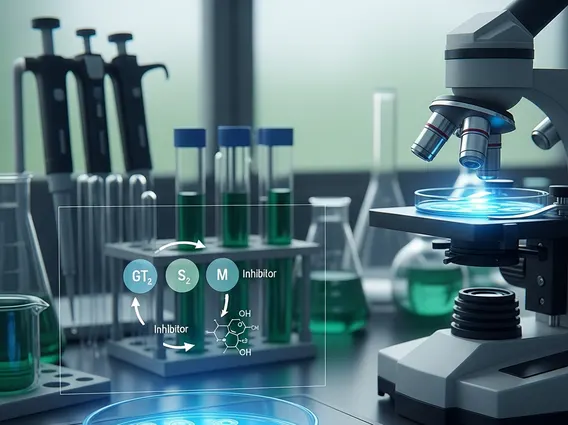
A Cell Cycle Inhibitor refers to any substance that interferes with the orderly progression of the cell cycle. The cell cycle is a series of events that take place in a cell leading to its division and duplication, involving distinct phases: G1 (cell growth), S (DNA synthesis), G2 (further growth and preparation for mitosis), and M (mitosis and cytokinesis). In healthy tissues, this process is tightly regulated by a complex network of proteins, including cyclins and cyclin-dependent kinases (CDKs), which act at various checkpoints to ensure proper cell division. However, in diseases like cancer, these regulatory mechanisms often become dysfunctional, leading to uncontrolled cell proliferation.
The primary role of a Cell Cycle Inhibitor is to restore control over cell division by targeting these dysregulated pathways. By blocking specific points in the cell cycle, these inhibitors can prevent cells, especially rapidly dividing cancer cells, from replicating their DNA or undergoing mitosis, thereby inducing cell cycle arrest or programmed cell death (apoptosis). This targeted approach makes them valuable tools in therapeutic strategies, particularly in the treatment of various malignancies.
How Cell Cycle Inhibitors Work
Cell Cycle Inhibitors work by interfering with the molecular machinery that drives cell progression through its various phases. The precise mechanism depends on the specific inhibitor, but generally, they target key regulatory proteins or processes essential for cell division. Many inhibitors focus on cyclin-dependent kinases (CDKs), which are enzymes that, when activated by cyclins, phosphorylate other proteins to advance the cell through its cycle. By inhibiting CDK activity, these drugs can effectively halt the cell at specific checkpoints, preventing further division.
For instance, some inhibitors block the G1-S transition, preventing DNA replication, while others target the G2-M phase, inhibiting mitosis. This disruption leads to cell cycle arrest, giving the cell time to repair damage or, if the damage is irreparable, triggering apoptosis. The selective targeting of these pathways is crucial because cancer cells often have hyperactive or dysregulated cell cycle machinery, making them particularly vulnerable to these interventions. This selective vulnerability forms the basis for their therapeutic efficacy in oncology.
Types and Functions of Cell Cycle Inhibitors
The landscape of Cell Cycle Inhibitors is diverse, with various types targeting different components of the cell cycle machinery. The primary cell cycle inhibitor function across these types is to impede cell proliferation, but their specific targets and mechanisms can vary significantly. These inhibitors are often categorized based on the phase of the cell cycle they affect or the specific proteins they inhibit. Understanding these distinctions is crucial for tailoring treatments to specific cancer types and patient profiles.
Common types of Cell Cycle Inhibitors include:
- CDK4/6 Inhibitors: These drugs specifically target cyclin-dependent kinases 4 and 6, which are critical for the G1-S phase transition. By blocking CDK4/6, these inhibitors prevent cells from entering the S phase, effectively halting proliferation. Examples include palbociclib, ribociclib, and abemaciclib, which are widely used in hormone receptor-positive, HER2-negative metastatic breast cancer.
- Aurora Kinase Inhibitors: Aurora kinases are essential for mitotic progression, chromosome segregation, and cytokinesis. Inhibitors of these kinases disrupt mitosis, leading to cell death.
- Checkpoint Kinase (CHK1/2) Inhibitors: CHK1 and CHK2 are involved in DNA damage response checkpoints. Inhibiting these kinases can sensitize cancer cells to DNA-damaging agents by overriding cell cycle arrest mechanisms, forcing damaged cells into mitosis.
- Wee1 Inhibitors: Wee1 is a kinase that negatively regulates CDK1, preventing premature entry into mitosis. Inhibiting Wee1 can force cells with unrepaired DNA damage into mitosis, leading to mitotic catastrophe and cell death.
These inhibitors play a vital role in modern cancer therapy, often used in combination with other treatments like chemotherapy or hormone therapy to enhance efficacy and overcome resistance. The continuous development of new Cell Cycle Inhibitors aims to improve specificity, reduce side effects, and expand their application to a broader range of cancers.



















