Cell Culture
Cell Culture is a fundamental technique in biological research and medicine, involving the growth of cells in an artificial environment outside their natural habitat. This process allows scientists to study cellular processes, disease mechanisms, and develop new therapies under controlled conditions.
Key Takeaways
- Cell Culture involves growing cells in vitro, providing a controlled environment for scientific study.
- It is essential for understanding cell biology, disease progression, and drug development.
- Key techniques include aseptic handling, media preparation, and monitoring cell growth.
- Applications range from vaccine production to cancer research and regenerative medicine.
- Its significance lies in advancing medical research and developing therapeutic solutions.
What is Cell Culture?
Cell Culture refers to the complex process of growing cells, tissues, or organs in an artificial environment outside their original organism. This in vitro method provides a controlled setting to mimic physiological conditions, allowing for detailed observation and manipulation of cellular behavior. The process typically involves isolating cells from living tissue and maintaining them under carefully regulated conditions, including appropriate temperature, humidity, and nutrient supply. This allows researchers to propagate cell lines, study their functions, and conduct experiments that would be difficult or impossible to perform in vivo.
Key Cell Culture Techniques and Applications
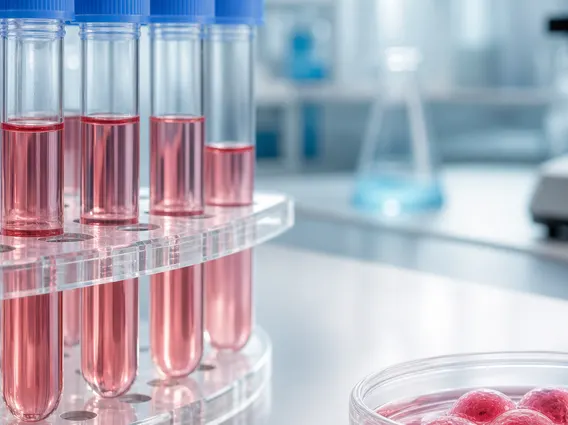
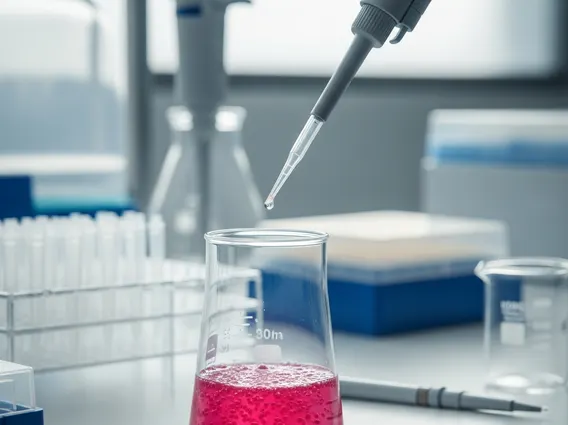
Performing Cell Culture requires meticulous attention to detail and adherence to sterile techniques to prevent contamination. The general process involves several critical steps. Initially, cells are isolated from a tissue sample and then seeded into a culture vessel containing a specialized growth medium. This medium provides essential nutrients, growth factors, and a buffered environment to support cell proliferation and viability. Regular monitoring of cell growth, subculturing (passing cells to new vessels as they reach confluence), and cryopreservation (freezing cells for long-term storage) are also integral parts of the process.
Cell culture techniques and applications are diverse and span numerous scientific fields. Key techniques include:
- Aseptic Technique: Crucial for preventing microbial contamination, involving sterile equipment and working in a laminar flow hood.
- Media Preparation: Formulating specific nutrient solutions tailored to different cell types.
- Cell Counting and Viability Assays: Quantifying cell numbers and assessing their health.
- Transfection: Introducing foreign DNA into cells to study gene function or produce proteins.
Applications of Cell Culture are extensive. For instance, it is widely used in pharmaceutical research for drug screening and toxicity testing, allowing scientists to evaluate the effects of potential new drugs on human cells before animal or human trials. It is also fundamental in virology for vaccine production, where viruses are grown in cell lines to generate antigens. Furthermore, Cell Culture plays a vital role in genetic engineering, stem cell research, and the development of tissue-engineered constructs for regenerative medicine.
The Significance of Cell Culture in Medical Research
The importance of cell culture in research cannot be overstated, as it serves as a cornerstone for numerous advancements in medicine and biology. By providing a controlled and reproducible system, Cell Culture enables scientists to investigate fundamental biological processes, such as cell division, differentiation, and communication, with unprecedented precision. This understanding is crucial for unraveling the complexities of human health and disease.
In oncology, for example, Cell Culture models allow researchers to grow cancer cells in vitro, test various anti-cancer drugs, and study tumor progression and metastasis mechanisms. This has led to the development of targeted therapies and personalized medicine approaches. Similarly, in infectious disease research, Cell Culture facilitates the study of pathogen-host interactions, aiding in the development of antiviral drugs and vaccines. According to the World Health Organization (WHO), vaccine development, heavily reliant on Cell Culture, has significantly reduced the global burden of many infectious diseases, preventing millions of deaths annually. Moreover, Cell Culture is instrumental in regenerative medicine, where stem cells are cultured and differentiated into specific cell types or tissues for transplantation, offering hope for treating conditions like spinal cord injuries, diabetes, and heart disease. Its versatility and controlled environment make it an indispensable tool for scientific discovery and the translation of research findings into clinical applications.