Bursitis
Bursitis is a common and often painful condition resulting from the inflammation of a bursa, a small, fluid-filled sac that cushions bones, tendons, and muscles near joints. This article explores the nature of Bursitis, its common symptoms, underlying causes, and effective strategies for treatment and pain management.
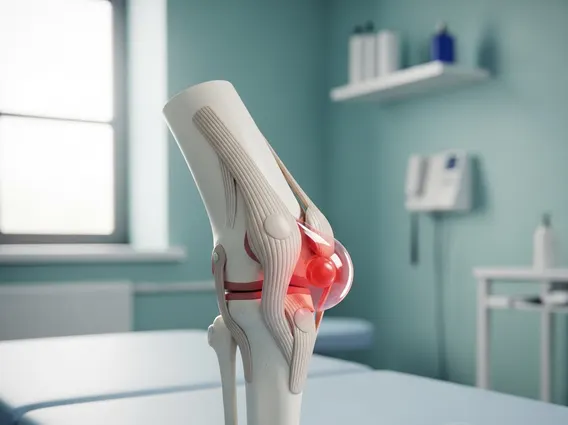
Key Takeaways
- Bursitis involves the inflammation of bursae, which are fluid-filled sacs that reduce friction in joints.
- Common symptoms include localized pain, tenderness, swelling, and restricted movement around the affected joint.
- It is often caused by repetitive motions, prolonged pressure, injury, or underlying inflammatory conditions.
- Treatment typically focuses on rest, ice, anti-inflammatory medications, and physical therapy to reduce pain and inflammation.
- Adopting preventive measures and seeking early intervention can significantly improve outcomes and prevent chronic issues.
What is Bursitis: Symptoms and Causes
Bursitis refers to the inflammation of a bursa, a thin, slippery, fluid-filled sac located at points where tendons, muscles, or skin rub over bone. These bursae act as cushions, reducing friction and allowing smooth movement around joints. When a bursa becomes inflamed, it can cause significant pain and discomfort, particularly with movement or pressure on the affected area.
This condition can affect any bursa in the body, but it is most commonly found in major joints that undergo frequent repetitive motion or pressure. Areas such as the shoulder (subacromial bursitis), elbow (olecranon bursitis), hip (trochanteric bursitis), and knee (prepatellar bursitis) are particularly susceptible. Understanding the specific bursitis symptoms and causes is crucial for effective diagnosis and management.
The primary symptoms of Bursitis include localized pain, which often worsens with movement or pressure, tenderness to the touch, and swelling or redness over the affected joint. Individuals may also experience stiffness or a limited range of motion in the joint. According to the American Academy of Orthopaedic Surgeons, bursitis is a frequent cause of musculoskeletal pain, especially in areas subjected to repetitive stress or prolonged pressure.
The causes of Bursitis are varied and often involve mechanical stress. Repetitive motions, such as those performed during certain sports, occupations, or daily activities, are a leading cause. Prolonged pressure on a joint, like kneeling for extended periods, can also trigger inflammation. Other contributing factors include acute injury or trauma, infection (septic bursitis), and underlying inflammatory conditions such as rheumatoid arthritis or gout. Identifying the specific cause is key to preventing recurrence and guiding treatment.
Bursitis Treatment and Pain Relief Strategies
Managing Bursitis primarily involves reducing inflammation and alleviating pain to restore normal joint function. The approach to treatment often begins with conservative measures, aiming to minimize discomfort and promote healing without invasive procedures. Early intervention is important to prevent the condition from becoming chronic.
Initial treatment steps typically include rest for the affected joint, applying ice packs to reduce swelling and pain, and using over-the-counter nonsteroidal anti-inflammatory drugs (NSAIDs) such as ibuprofen or naproxen. These medications help to decrease inflammation and manage pain. In some cases, a doctor may recommend prescription-strength NSAIDs or corticosteroid injections directly into the bursa to provide more potent anti-inflammatory effects.
Physical therapy plays a vital role in recovery, especially once acute pain has subsided. A physical therapist can guide patients through exercises to improve flexibility, strengthen surrounding muscles, and restore the full range of motion in the affected joint. For severe or persistent cases, aspiration of the bursa (draining excess fluid) or, rarely, surgical removal of the bursa (bursectomy) may be considered, particularly if infection is present or conservative treatments fail.
Effective bursitis pain relief strategies also involve lifestyle adjustments and preventive measures. Avoiding activities that aggravate the bursa, using proper body mechanics during tasks, and incorporating regular stretching and strengthening exercises can help prevent future flare-ups. Padding or cushioning pressure points, such as using knee pads for kneeling, can also be beneficial. Maintaining a healthy weight reduces overall stress on joints, further contributing to prevention and long-term joint health.