Lh
Luteinizing Hormone (LH) is a crucial hormone produced by the pituitary gland, playing a central role in reproductive health for both men and women. Its balanced levels are essential for fertility and proper endocrine function.
Key Takeaways
- Luteinizing Hormone (LH) is a gonadotropic hormone produced by the anterior pituitary gland.
- In women, LH hormone function triggers ovulation and supports the corpus luteum; in men, it stimulates testosterone production.
- Abnormal LH levels can indicate underlying reproductive or endocrine disorders.
- Symptoms of high LH levels often relate to conditions like Polycystic Ovary Syndrome (PCOS) or primary gonadal failure.
- Low LH levels causes typically stem from hypothalamic or pituitary dysfunction, affecting fertility.
What is Luteinizing Hormone (LH)?
Luteinizing Hormone (LH) is a vital glycoprotein hormone synthesized and secreted by the gonadotropic cells of the anterior pituitary gland. As one of the two main gonadotropins (the other being Follicle-Stimulating Hormone, FSH), it is instrumental in regulating the function of the gonads (ovaries in females and testes in males). Its release is controlled by Gonadotropin-Releasing Hormone (GnRH) from the hypothalamus, which is secreted in a pulsatile manner, influencing LH’s own rhythmic release.
The presence and appropriate levels of Luteinizing Hormone are fundamental for sexual development and reproductive processes. It acts on specific receptors in the gonads to orchestrate the production of sex steroids and the maturation of germ cells. Understanding what Luteinizing Hormone (LH) is provides insight into its broad impact on the human reproductive system.
Role and Function of Luteinizing Hormone (LH)
The primary LH hormone function differs significantly between biological sexes, yet it consistently supports reproductive health. In females, a surge in LH levels triggers ovulation, the release of a mature egg from the ovarian follicle. Following ovulation, LH stimulates the remaining follicular cells to transform into the corpus luteum, which then produces progesterone—a hormone critical for maintaining a potential pregnancy. Without adequate LH, the menstrual cycle can be disrupted, leading to anovulation and infertility.
In males, Luteinizing Hormone acts on the Leydig cells in the testes, stimulating them to produce testosterone. Testosterone is essential for the development of male secondary sexual characteristics, sperm production (spermatogenesis), and maintaining libido. The continuous production of testosterone is regulated by a feedback loop involving LH, ensuring appropriate levels for male reproductive health. This dual role underscores LH’s indispensable contribution to human reproduction.
Symptoms and Causes of Abnormal LH Levels
Deviations from normal Luteinizing Hormone levels can signal underlying health issues, often impacting fertility and overall endocrine balance. Both excessively high and unusually low levels warrant medical investigation.
High LH Levels and Their Symptoms
When high LH levels symptoms manifest, they often point to conditions where the body is attempting to stimulate the gonads, but the gonads are not responding adequately. For example, in women, consistently elevated LH levels, especially when disproportionate to FSH, are a hallmark of Polycystic Ovary Syndrome (PCOS), a common endocrine disorder affecting approximately 5-10% of women of reproductive age globally (WHO). Symptoms of PCOS can include irregular periods, anovulation, excessive hair growth (hirsutism), acne, and difficulty conceiving. Another cause of high LH is primary gonadal failure, where the ovaries or testes are not functioning correctly, leading the pituitary to overproduce LH in an attempt to stimulate them. In men, symptoms might include low testosterone despite high LH, indicating testicular dysfunction.
Low LH Levels and Their Causes
Conversely, low LH levels causes are typically rooted in issues with the hypothalamus or pituitary gland, which are responsible for producing and releasing LH. Conditions such as hypogonadotropic hypogonadism, Kallmann syndrome, or pituitary tumors can lead to insufficient LH production. Chronic stress, excessive exercise, significant weight loss, or eating disorders can also suppress GnRH release, subsequently lowering LH. Symptoms associated with low LH levels often include:
- In women: Amenorrhea (absence of menstruation), irregular periods, infertility, and low estrogen levels.
- In men: Low testosterone, reduced libido, erectile dysfunction, decreased muscle mass, and impaired sperm production.
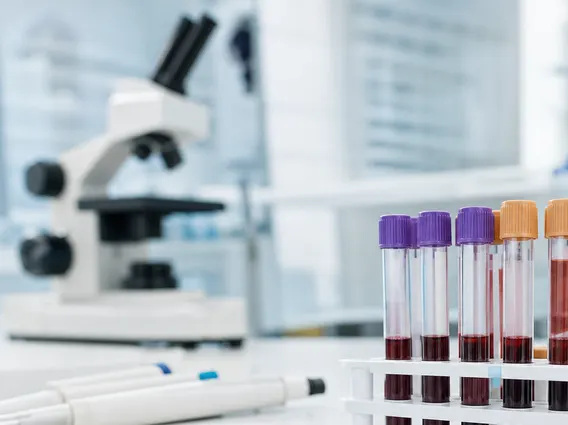
Diagnosing abnormal LH levels involves blood tests, often alongside other hormone measurements, to identify the root cause and guide appropriate management.