Talc
Talc is a naturally occurring mineral known for its unique properties, including softness and chemical inertness. It is widely utilized across various industries, from cosmetics to pharmaceuticals, due to its versatile characteristics.
Key Takeaways
- Talc is a soft, hydrous magnesium silicate mineral with diverse industrial applications.
- Its unique properties of talc mineral, such as softness, lubricity, and chemical inertness, make it valuable for many uses.
- Concerns regarding talc health effects primarily stem from potential asbestos contamination in some naturally occurring deposits.
- Regulatory bodies oversee talc products to ensure they are asbestos-free, addressing the question of is talc safe to use.
- Consumers should choose cosmetic and personal care products certified as asbestos-free to mitigate potential risks.
What is Talc?
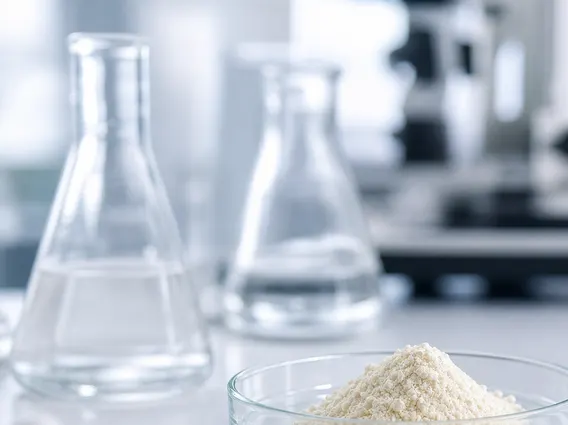
Talc is a clay mineral, a hydrous magnesium silicate, with the chemical formula Mg₃Si₄O₁₀(OH)₂. It is the softest known mineral, ranking 1 on the Mohs hardness scale, which contributes to its distinctive slippery feel. Formed through the metamorphism of magnesium-rich rocks, Talc deposits are found worldwide. Its fine, platy structure and chemical stability make it a highly versatile material in many industrial and consumer applications.
The mineral is typically white, gray, or pale green, and can be translucent to opaque. Its unique properties have led to its widespread use, but also to scrutiny regarding its safety, particularly concerning potential contamination with asbestos fibers in some natural deposits.
Properties and Uses of Talc Mineral
The distinctive properties of talc mineral are what make it so valuable across a multitude of sectors. It is exceptionally soft, has a greasy or soapy feel, and exhibits perfect basal cleavage, meaning it can be easily split into thin sheets. Talc is also hydrophobic, meaning it repels water, and is chemically inert, resistant to acids and bases. Furthermore, it possesses high thermal and electrical resistance, making it an excellent insulator.
These combined properties dictate what is talc used for in various industries. Its softness and lubricity make it an ideal filler and anti-caking agent. Its heat resistance is beneficial in ceramics and refractories, while its chemical inertness is valued in paints and plastics. Below are some common applications:
- Cosmetics and Personal Care: Used in powders (e.g., baby powder, face powder) for its ability to absorb moisture, reduce friction, and provide a smooth feel.
- Pharmaceuticals: Employed as a glidant, lubricant, and filler in tablets and capsules.
- Plastics: Enhances stiffness, heat resistance, and dimensional stability in plastic products.
- Paints and Coatings: Acts as an extender pigment, improving durability, opacity, and reducing sagging.
- Ceramics: Used in ceramic tiles, sanitaryware, and electrical insulators for its firing characteristics and thermal shock resistance.
- Paper: Improves opacity, smoothness, and printability of paper.
Talc Health Effects and Safety Concerns
Concerns regarding talc health effects primarily revolve around the potential presence of asbestos, a known carcinogen, in some naturally occurring talc deposits. Talc and asbestos can be found in close proximity in the earth, leading to the possibility of cross-contamination during mining. Inhaling asbestos fibers is linked to serious respiratory diseases, including asbestosis, lung cancer, and mesothelioma.
For decades, regulatory bodies and manufacturers have worked to ensure that cosmetic-grade and pharmaceutical-grade talc is free from asbestos. The U.S. Food and Drug Administration (FDA) has conducted ongoing testing of talc-containing cosmetic products for asbestos. For instance, in 2020, the FDA reported that a significant majority of tested cosmetic products containing talc did not contain detectable asbestos, though some products did test positive, leading to recalls. This highlights the importance of stringent testing and quality control.
Addressing the question, is talc safe to use, depends critically on whether the talc is asbestos-free. When talc is purified and certified as asbestos-free, it is generally considered safe for use in consumer products by regulatory agencies like the FDA. However, continuous monitoring and consumer awareness remain important. Consumers are advised to look for products that explicitly state they are “asbestos-free” or use cornstarch-based alternatives if they have concerns.