
Stage Iv Non Small Cell Lung Cancer
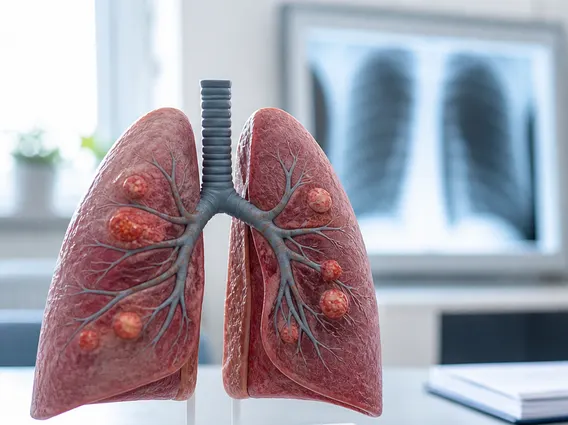
Stage IV non-small cell lung cancer (NSCLC) represents the most advanced form of lung cancer, indicating that the disease has spread beyond the lung to distant parts of the body. Understanding this diagnosis is crucial for patients and their families as they navigate treatment decisions and prognosis.
Key Takeaways
- Stage IV NSCLC means the cancer has metastasized to distant organs or tissues.
- Symptoms can vary widely depending on where the cancer has spread.
- Treatment focuses on managing the disease, improving quality of life, and extending survival.
- Options include targeted therapy, immunotherapy, chemotherapy, and radiation.
- Life expectancy is highly individualized and depends on various factors, including overall health and treatment response.
What is Stage IV Non-Small Cell Lung Cancer (NSCLC)?
Stage IV non-small cell lung cancer (NSCLC) is the most advanced stage of lung cancer, characterized by the spread of cancer cells from the primary tumor in the lung to distant sites in the body. This process is known as metastasis. Common areas where NSCLC may metastasize include the bones, brain, liver, and adrenal glands. This stage signifies that the cancer is no longer localized and requires systemic treatment approaches to manage the widespread disease.
Non-small cell lung cancer itself accounts for about 85% of all lung cancers. When it reaches Stage IV, it means the cancer has progressed significantly, making treatment more complex. The staging system helps doctors determine the extent of the cancer and plan the most appropriate course of action, focusing on controlling the disease and alleviating symptoms.
Symptoms and Treatment Options for Stage IV NSCLC
The symptoms of Stage IV non-small cell lung cancer can vary widely depending on the location of the primary tumor and where the cancer has spread. Common symptoms related to the lung itself may include persistent cough, shortness of breath, chest pain, and coughing up blood. When the cancer has metastasized, additional symptoms may arise:
- Bone pain (if spread to bones)
- Headaches, dizziness, or seizures (if spread to the brain)
- Jaundice or abdominal pain (if spread to the liver)
- Fatigue and unexplained weight loss
- Swelling in the face or neck
Treatment options for Stage IV non-small cell lung cancer are primarily aimed at controlling the disease, improving quality of life, and extending survival. These treatments are often systemic, meaning they affect the entire body. Advances in medical research have led to more personalized and effective therapies. Common treatment modalities include:
- Targeted Therapy: Medications that specifically target genetic mutations or proteins found in cancer cells, such as EGFR, ALK, or ROS1 mutations.
- Immunotherapy: Drugs that boost the body’s immune system to recognize and destroy cancer cells.
- Chemotherapy: Traditional drugs that kill rapidly dividing cells, including cancer cells.
- Radiation Therapy: Used to alleviate symptoms like pain from bone metastases or to treat brain metastases, rather than as a curative measure for widespread disease.
The choice of treatment depends on several factors, including the specific genetic profile of the tumor, the patient’s overall health, and previous treatments. A multidisciplinary team of oncologists, radiation oncologists, and other specialists typically collaborates to develop an individualized treatment plan.
Life Expectancy with Stage IV Non-Small Cell Lung Cancer
Discussing life expectancy Stage IV non-small cell lung cancer is a sensitive and complex topic, as it varies significantly among individuals. Prognosis depends on numerous factors, including the patient’s overall health, age, specific genetic mutations in the tumor, response to treatment, and the extent of metastasis. While Stage IV NSCLC is considered advanced, significant progress in treatment has led to improved outcomes for many patients.
According to data from the National Cancer Institute’s Surveillance, Epidemiology, and End Results (SEER) Program, the overall 5-year relative survival rate for distant (metastatic) lung and bronchus cancer, which includes Stage IV NSCLC, is approximately 8% (Source: National Cancer Institute SEER Program, based on 2013-2019 data). However, this is an average and does not reflect the individual variability or the impact of newer therapies developed since this data was collected. For patients whose tumors have specific actionable mutations or who respond well to immunotherapy, survival rates can be considerably higher. It is essential for patients to discuss their specific prognosis with their healthcare team, as they can provide the most accurate and personalized information based on individual circumstances.



















