
Stage Iii Distal Bile Duct Cancer
Stage III distal bile duct cancer is a serious and complex diagnosis, indicating that the cancer has advanced beyond the initial layers of the bile duct but has not yet spread to distant parts of the body. Understanding this stage is crucial for patients and their families to navigate treatment options and prognosis.
Key Takeaways
- Stage III Distal Bile Duct Cancer involves local advancement, often with lymph node involvement, but no distant metastasis.
- Common symptoms include jaundice, abdominal pain, weight loss, and dark urine, often due to bile duct obstruction.
- Diagnosis typically involves imaging, blood tests, and biopsy to confirm the cancer and its stage.
- Treatment strategies are multidisciplinary, often combining surgery, chemotherapy, and radiation therapy.
- Prognosis varies significantly based on factors like tumor resectability, patient health, and response to treatment.
What is Stage III Distal Bile Duct Cancer?
Stage III Distal Bile Duct Cancer refers to a cholangiocarcinoma that originates in the distal part of the bile duct, which is the section closest to the small intestine. In Stage III, the cancer has grown through the wall of the bile duct and may have spread to nearby lymph nodes or invaded adjacent structures like the portal vein or hepatic artery, but it has not metastasized to distant organs. This staging indicates a locally advanced disease that requires aggressive treatment strategies.
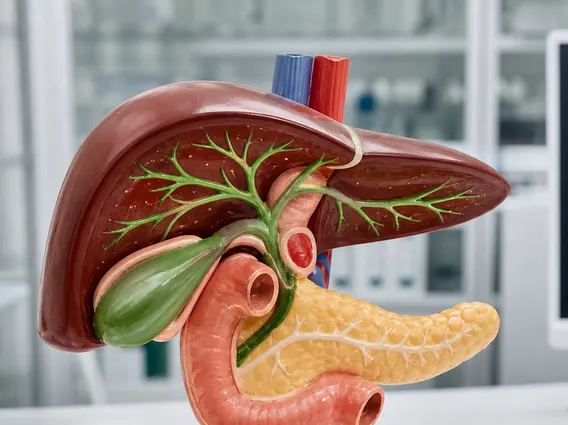
The bile ducts are a system of tubes that carry bile from the liver and gallbladder to the small intestine, aiding in digestion. When cancer develops in the distal bile duct, it can obstruct the flow of bile, leading to a range of symptoms. Accurate staging, often determined through imaging tests like CT scans, MRIs, and endoscopic retrograde cholangiopancreatography (ERCP), along with biopsies, is essential for guiding treatment decisions.
Symptoms of Stage III Distal Bile Duct Cancer
The symptoms associated with Stage III distal bile duct cancer often arise from the obstruction of bile flow, as the tumor grows and blocks the duct. Recognizing these signs early can be vital, although they can also be indicative of other, less serious conditions. Common indicators that patients may experience include:
- Jaundice: A yellowing of the skin and whites of the eyes, caused by the buildup of bilirubin in the blood. This is often one of the first and most noticeable symptoms.
- Abdominal Pain: Discomfort or pain in the upper right quadrant of the abdomen, which can be persistent or intermittent.
- Unexplained Weight Loss: Significant loss of weight without intentional dieting, often due to the body’s increased energy demands from the cancer and impaired digestion.
- Dark Urine and Pale Stools: The absence of bile reaching the intestines leads to pale, clay-colored stools, while excess bilirubin is excreted in the urine, making it unusually dark.
- Itching (Pruritus): Generalized itching, also a result of bile salt accumulation under the skin.
- Fever and Chills: These can indicate an infection (cholangitis) due to bile duct obstruction.
These symptoms can progress as the cancer advances, impacting the patient’s quality of life and necessitating prompt medical evaluation.
Treatment and Prognosis for Stage III Distal Bile Duct Cancer
The treatment approach for Stage III distal bile duct cancer is typically multidisciplinary, involving a team of oncologists, surgeons, radiation oncologists, and other specialists. The primary goal is to remove the cancer if possible, or to manage symptoms and improve quality of life. Treatment strategies are highly individualized, depending on the tumor’s exact location, extent of spread, and the patient’s overall health.
Common treatment modalities include:
| Treatment Type | Description |
|---|---|
| Surgery | Often the most effective treatment if the tumor is resectable (can be completely removed). Procedures like a Whipple procedure (pancreaticoduodenectomy) are common for distal bile duct cancers, involving the removal of the head of the pancreas, duodenum, gallbladder, and part of the bile duct. |
| Chemotherapy | Administered before (neoadjuvant) or after (adjuvant) surgery, or as a primary treatment for unresectable tumors. It uses drugs to kill cancer cells throughout the body, often in combination regimens. |
| Radiation Therapy | Uses high-energy rays to target and destroy cancer cells. It can be used before or after surgery, or as a palliative measure to relieve symptoms like pain or bile duct obstruction. |
| Palliative Care | Focuses on relieving symptoms and improving the quality of life for patients, especially when the cancer is advanced. This can include stenting to open blocked bile ducts, pain management, and nutritional support. |
The prognosis for stage 3 distal bile duct cancer is challenging and varies significantly among individuals. Factors influencing the prognosis include the success of surgical resection (achieving clear margins), the presence of lymph node involvement, the patient’s overall health, and their response to adjuvant therapies. While Stage III indicates local advancement, the absence of distant metastasis offers a potential for curative treatment, especially with successful surgery. However, the aggressive nature of this cancer often means that even after successful initial treatment, close monitoring is required due to the risk of recurrence. Ongoing research continues to explore new therapeutic options to improve outcomes for patients with this complex disease.



















