
Radiation Physicist
A Radiation Physicist plays a critical role in the medical field, particularly in oncology, by ensuring the safe and effective delivery of radiation therapy to patients. Their expertise bridges the gap between complex physics principles and clinical patient care.
Key Takeaways
- A Radiation Physicist is a highly specialized professional who applies physics principles to medical diagnosis and treatment, primarily in radiation oncology.
- Their core responsibilities include designing and overseeing radiation treatment plans, ensuring equipment safety and calibration, and implementing quality assurance programs.
- Becoming a Radiation Physicist typically requires extensive education, including a master’s or doctoral degree in medical physics, followed by residency and board certification.
- The career path involves continuous learning and specialization, with opportunities in clinical settings, research, and academia.
- The job outlook for Radiation Physicists is projected to be stable, driven by advancements in radiation therapy and an aging population requiring cancer treatment.
What is a Radiation Physicist?
A Radiation Physicist is a highly trained professional who applies the principles of physics to medicine, primarily in the field of radiation oncology. These specialists are integral to cancer treatment teams, working alongside radiation oncologists, dosimetrists, and radiation therapists to ensure the precise and safe delivery of radiation. Their work involves understanding the interaction of radiation with biological tissues, designing treatment strategies, and maintaining the complex equipment used in diagnostic imaging and therapeutic procedures.
The role extends beyond treatment planning to encompass research and development of new techniques, ensuring patient and staff safety from radiation exposure, and adhering to rigorous quality control standards. They are essential in translating scientific advancements into practical clinical applications that directly benefit patient outcomes.
Key Responsibilities and Daily Work
The daily work of a Radiation Physicist is multifaceted, focusing on the technical and scientific aspects of radiation therapy. They are responsible for the accurate calibration and maintenance of radiation-producing equipment, such as linear accelerators, ensuring that the prescribed dose is delivered precisely to the tumor while sparing healthy tissues. This involves intricate calculations and measurements.
What a radiation physicist does includes a range of critical tasks:
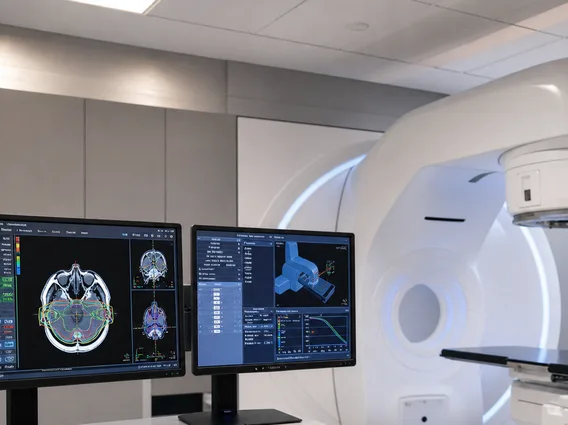
- Treatment Planning: Collaborating with radiation oncologists to develop individualized treatment plans, using advanced software to model radiation dose distribution and optimize beam delivery.
- Quality Assurance: Implementing and overseeing comprehensive quality assurance programs for all radiation therapy equipment and procedures to ensure accuracy, safety, and compliance with national and international standards.
- Dosimetry: Performing precise dose calculations and measurements to verify that patients receive the correct amount of radiation to the target area.
- Safety and Protection: Advising on radiation safety protocols for patients, staff, and the public, and ensuring all regulatory requirements are met to minimize unnecessary exposure.
- Equipment Management: Calibrating, testing, and troubleshooting radiation therapy machines and related diagnostic imaging equipment.
- Research and Development: Contributing to the development and implementation of new radiation therapy techniques and technologies.
Their expertise ensures that cutting-edge technology is safely and effectively utilized, directly impacting the efficacy of cancer treatments and patient well-being.
Education, Career Path, and Job Outlook
The path to becoming a Radiation Physicist is rigorous and demanding, requiring extensive academic preparation and specialized training. Radiation physicist education requirements typically begin with a bachelor’s degree in physics, engineering, or a related scientific field. This is followed by a master’s or doctoral degree (Ph.D.) in medical physics from an accredited program. These graduate programs provide in-depth knowledge of radiation physics, medical imaging, radiation dosimetry, and radiobiology.
After completing graduate studies, aspiring Radiation Physicists must undertake a supervised clinical residency program, which typically lasts two years. This residency provides hands-on experience in various aspects of clinical medical physics, including treatment planning, quality assurance, and equipment calibration. Upon successful completion of the residency, board certification from organizations such as the American Board of Radiology (ABR) is often required for professional practice.
The Radiation physicist career path offers diverse opportunities. Graduates can work in hospitals, cancer centers, academic institutions, or research facilities. With experience, they may advance to leadership roles, such as Chief Medical Physicist, or specialize in areas like brachytherapy, proton therapy, or diagnostic imaging physics. Continuing education and professional development are crucial for staying current with rapidly evolving technologies and treatment modalities in the field.
The Radiation physicist job outlook is projected to remain stable, with a steady demand for qualified professionals. According to the U.S. Bureau of Labor Statistics (BLS), employment of medical physicists (a broader category that includes radiation physicists) is expected to grow by about 5% from 2022 to 2032, which is about as fast as the average for all occupations. This growth is driven by an aging population and advancements in cancer treatment technologies, which continue to rely heavily on precise radiation delivery. The median annual wage for medical physicists was $135,000 in May 2022, indicating a well-compensated and vital profession (Source: U.S. Bureau of Labor Statistics, Physicists and Astronomers, which includes medical physicists).



















