
Radiation Oncologist
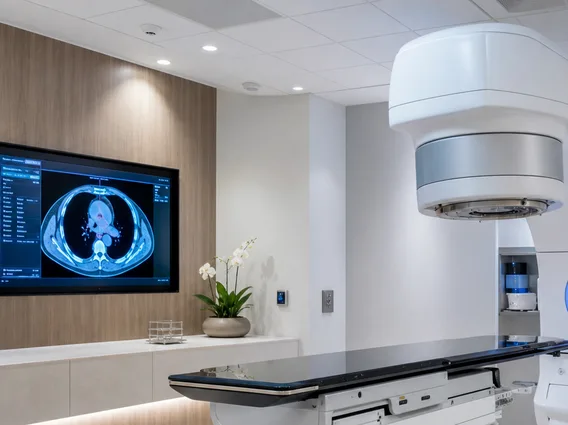
A Radiation Oncologist is a highly specialized medical doctor who plays a critical role in the treatment of cancer. These physicians utilize radiation therapy to target and destroy cancer cells, aiming to cure the disease, control its progression, or alleviate symptoms.
Key Takeaways
- A Radiation Oncologist is a physician specializing in treating cancer with radiation therapy.
- Their responsibilities include diagnosing, planning, and delivering radiation treatments, as well as managing patient care.
- Becoming a Radiation Oncologist requires extensive education, including medical school and a specialized residency.
- The career offers significant professional rewards and competitive compensation, reflecting the demanding nature of the role.
What is a Radiation Oncologist?
A Radiation Oncologist is a physician who specializes in treating cancer using radiation therapy. This medical specialty involves the careful application of high-energy radiation to target and destroy cancer cells while minimizing damage to surrounding healthy tissues. These specialists work as part of a multidisciplinary cancer care team, collaborating with medical oncologists, surgeons, physicists, dosimetrists, and radiation therapists to develop comprehensive and individualized treatment plans for patients.
The primary goal of a Radiation Oncologist is to cure cancer, control tumor growth, or relieve symptoms such as pain or bleeding caused by the cancer. They are experts in various radiation techniques, including external beam radiation therapy (EBRT), such as intensity-modulated radiation therapy (IMRT) and stereotactic body radiation therapy (SBRT), and internal radiation therapy (brachytherapy), where radioactive sources are placed directly inside or next to the tumor.
Radiation Oncologist Job Description and Responsibilities
The radiation oncologist job description encompasses a broad range of clinical and scientific duties aimed at providing optimal cancer care. These physicians are responsible for evaluating patients, determining if radiation therapy is an appropriate treatment option, and then designing and overseeing the entire course of treatment. Their responsibilities are extensive and require a deep understanding of cancer biology, physics, and patient care.
Key responsibilities of a Radiation Oncologist include:
- Patient Consultation and Diagnosis: Assessing patients, reviewing medical history, imaging scans (CT, MRI, PET), and pathology reports to confirm cancer diagnosis and stage.
- Treatment Planning: Collaborating with medical physicists and dosimetrists to create precise radiation treatment plans, often using advanced computer software to map the tumor and surrounding organs.
- Treatment Delivery Oversight: Supervising the delivery of radiation therapy, ensuring accuracy and safety, and making adjustments as needed throughout the treatment course.
- Side Effect Management: Monitoring patients for side effects of radiation therapy and prescribing medications or supportive care to manage them.
- Follow-up Care: Providing ongoing care and surveillance after treatment to monitor for recurrence and manage long-term side effects.
- Research and Education: Staying current with advancements in radiation oncology, participating in clinical trials, and educating patients and other healthcare professionals.
Radiation Oncologists must possess excellent communication skills to explain complex medical information to patients and their families, as well as strong analytical abilities to interpret data and make critical treatment decisions. Their work is highly detail-oriented and requires a compassionate approach to patient care.
Becoming a Radiation Oncologist and Salary Insights
The path to becoming a Radiation Oncologist is rigorous and demanding, requiring extensive education and training. For those wondering how to become a radiation oncologist, the journey typically begins with a four-year undergraduate degree, followed by four years of medical school to earn a Doctor of Medicine (MD) or Doctor of Osteopathic Medicine (DO) degree. After medical school, aspiring radiation oncologists complete a one-year internship (often in internal medicine or surgery) and then a four-year residency program specifically in radiation oncology. This residency provides comprehensive training in the principles and practice of radiation therapy, including clinical rotations, research, and hands-on experience with various treatment modalities. Finally, most radiation oncologists pursue board certification through the American Board of Radiology to demonstrate their expertise and commitment to high standards of care.
Career Outlook and Compensation
The career outlook for Radiation Oncologists is generally stable, driven by the ongoing need for cancer treatment. These specialists are highly valued members of the healthcare system. Regarding radiation oncologist salary info, compensation for these physicians is among the highest in the medical field, reflecting the extensive training, specialized skills, and critical nature of their work. According to various medical compensation surveys, such as those published by Medscape or the U.S. Bureau of Labor Statistics for physicians and surgeons, salaries for radiation oncologists can vary significantly based on factors like years of experience, geographic location, practice setting (e.g., academic institution, private practice, hospital), and subspecialization. However, they consistently rank among the top-earning medical specialties, underscoring the significant investment in their education and the vital role they play in patient care.



















