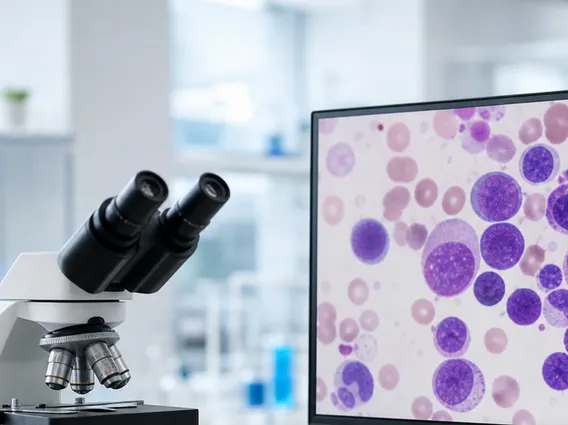
Rare Cancer
Rare Cancer refers to a diverse group of malignancies characterized by their low incidence within the general population. These conditions present unique challenges in diagnosis, treatment, and research due to their infrequent occurrence.

Key Takeaways
- Rare Cancer is defined by its low prevalence, typically affecting fewer than 6 in 100,000 people annually.
- There are over 200 distinct types of rare cancers, making them collectively significant despite individual rarity.
- Diagnosing rare cancers can be challenging due to non-specific symptoms and limited awareness among healthcare providers.
- Causes often involve a complex interplay of genetic factors, environmental exposures, and lifestyle, though many remain unknown.
- Early recognition of persistent or unusual symptoms is crucial for improving outcomes, despite diagnostic difficulties.
What is Rare Cancer?
Rare Cancer encompasses any cancer type that affects a small number of people. According to the European Commission, a cancer is considered rare if its incidence is less than 6 per 100,000 people per year. While individually uncommon, collectively, rare cancers represent a significant public health challenge, accounting for approximately 22% of all cancer diagnoses in Europe and a similar proportion globally. The low incidence of these cancers often leads to delays in diagnosis, limited treatment options, and fewer dedicated research efforts compared to more common cancer types.
Understanding what are rare cancers involves recognizing their heterogeneous nature. They can originate in various parts of the body, from common sites like the breast or lung (but with rare subtypes) to highly specialized tissues. This diversity contributes to the complexity of developing standardized diagnostic protocols and effective therapies, often necessitating specialized expertise and collaborative research initiatives.
Types and Causes of Rare Cancer
The list of rare cancer types is extensive, comprising over 200 distinct forms. These can include less common types of solid tumors, hematological malignancies, and pediatric cancers. Examples include certain sarcomas (cancers of bone and soft tissue), specific types of leukemia and lymphoma, rare brain and spinal cord tumors, and cancers affecting endocrine glands or head and neck regions. The rarity of each type means that individual clinicians may encounter them infrequently, highlighting the need for specialized centers and multidisciplinary teams.
Information on rare cancer causes reveals a complex picture, often involving a combination of genetic predispositions, environmental factors, and lifestyle choices, though for many, the exact etiology remains unknown. Some rare cancers are linked to inherited genetic mutations, such as Li-Fraumeni syndrome increasing the risk of various sarcomas and other cancers. Environmental exposures, like certain chemicals or radiation, can also play a role in the development of some rare cancers. However, a significant proportion of rare cancers arise sporadically without any identifiable risk factors, making prevention particularly challenging.
Common categories of rare cancers include:
- Rare solid tumors: Sarcomas (e.g., osteosarcoma, Ewing sarcoma), neuroendocrine tumors, adrenal cortical carcinoma.
- Rare hematological malignancies: Myelodysplastic syndromes, specific subtypes of leukemia and lymphoma.
- Rare pediatric cancers: Retinoblastoma, neuroblastoma, certain brain tumors unique to children.
- Rare cancers of specific organs: Anal cancer, penile cancer, salivary gland cancer, ocular melanoma.
Recognizing Early Signs of Rare Cancer
Identifying the early signs of rare cancer can be particularly challenging due to their non-specific nature and the lack of widespread public awareness. Symptoms often mimic those of more common, benign conditions, leading to potential delays in diagnosis. Patients may experience persistent pain, unexplained weight loss, fatigue, or the appearance of a new lump or swelling. Because these symptoms are not unique to rare cancers, it is crucial for individuals and healthcare providers to consider the possibility of a rare malignancy when symptoms persist or worsen despite initial treatments.
Key indicators that warrant prompt medical evaluation include:
- A lump or swelling that is growing or persistent.
- Unexplained and significant weight loss.
- Persistent pain that does not resolve with standard remedies.
- Changes in bowel or bladder habits that are new and ongoing.
- Unusual bleeding or discharge.
- Persistent fatigue that is not relieved by rest.
Early diagnosis significantly improves treatment outcomes for many cancers, including rare types. Therefore, individuals experiencing any unusual or persistent symptoms should consult a healthcare professional. While these symptoms are often indicative of less serious conditions, a thorough evaluation can help rule out or confirm a rare cancer, allowing for timely intervention and access to specialized care.