Recombinant
In the medical and biological fields, Recombinant refers to genetic material, cells, or organisms that have been altered by the combination of genetic material from different sources. This powerful concept underpins many modern biotechnological advancements, particularly in medicine and research.
Key Takeaways
- Recombinant describes genetic material or organisms created by combining DNA from different sources.
- Recombinant DNA (rDNA) technology involves isolating, cutting, and joining DNA segments to create new genetic combinations.
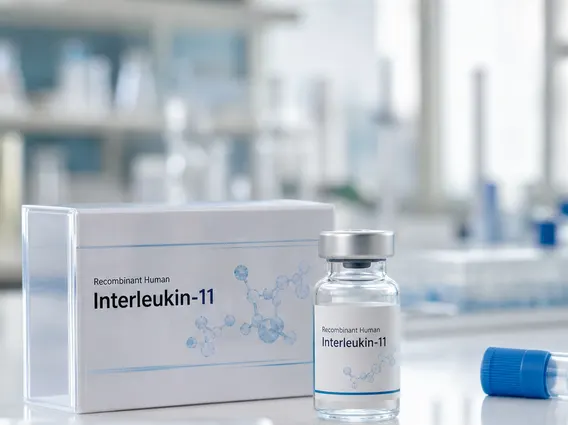
- A recombinant protein is a protein produced from recombinant DNA, often used in therapeutic applications.
- This technology has revolutionized medicine, agriculture, and industry by enabling the production of vital substances like insulin and vaccines.
- Applications range from developing new drugs and diagnostic tools to enhancing crop resilience and gene therapy.
What is Recombinant?
Recombinant, in a clinical and scientific context, describes the process or product of combining genetic material from different organisms or from different sites within the same organism. This genetic recombination results in a new, unique sequence of DNA. The term is fundamental to genetic engineering and biotechnology, where specific genes are manipulated and transferred to achieve desired outcomes.
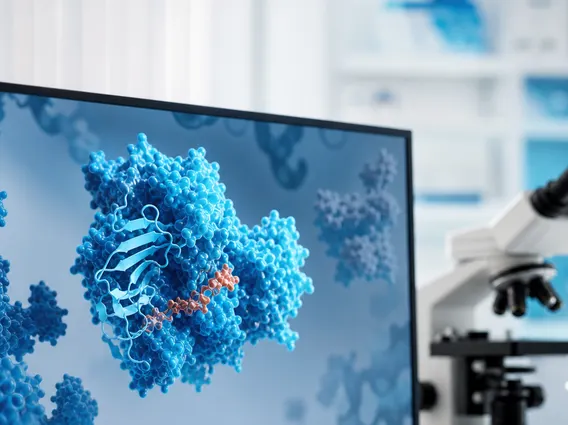
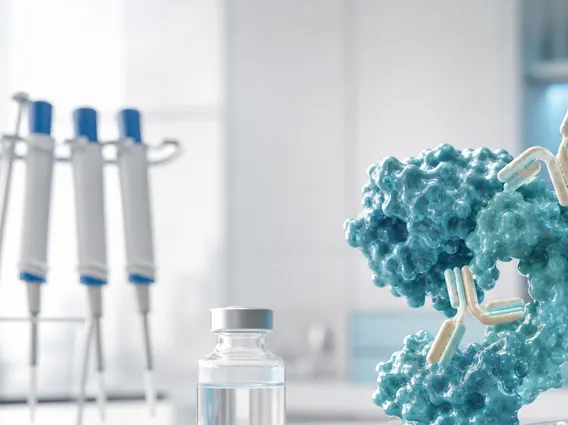
A key outcome of this process is the creation of a recombinant protein. This refers to a protein that is produced in a host organism (such as bacteria or yeast) after the introduction of a gene from another source via recombinant DNA technology. These proteins are often identical or highly similar to naturally occurring proteins and can be manufactured in large quantities for therapeutic, diagnostic, or research purposes.
Recombinant DNA Technology Explained
Recombinant DNA (rDNA) technology is a set of molecular biology techniques that allow scientists to cut, paste, and clone DNA sequences from different sources. This technology is central to genetic engineering, enabling the manipulation of genes to create novel genetic combinations. The process typically involves several key steps:
- Isolation of DNA: The gene of interest is identified and isolated from the donor organism’s DNA.
- Vector Selection: A suitable vector, often a plasmid (a small, circular DNA molecule found in bacteria) or a virus, is chosen to carry the gene.
- DNA Cleavage: Both the donor DNA and the vector DNA are cut with specific restriction enzymes, which act like molecular scissors, creating complementary “sticky ends.”
- Ligation: The isolated gene is then inserted into the opened vector DNA using an enzyme called DNA ligase, which acts as molecular glue, forming the recombinant DNA molecule.
- Transformation: The recombinant DNA is introduced into a host cell (e.g., bacteria, yeast, or mammalian cells), which then takes up and replicates the new genetic material.
- Selection and Expression: Host cells containing the recombinant DNA are identified and cultured, allowing them to express the inserted gene and produce the desired protein.
This intricate process of recombinant technology has revolutionized our ability to understand and manipulate biological systems, paving the way for significant advancements in various fields.
Applications of Recombinant DNA
The applications of recombinant DNA technology are vast and have profoundly impacted medicine, agriculture, and industry. In medicine, it has led to the production of therapeutic proteins that were previously scarce or difficult to obtain. For example, recombinant human insulin, first approved for use in 1982, transformed diabetes treatment by providing a safe and abundant supply of insulin, replacing animal-derived sources. Similarly, recombinant growth hormone, clotting factors for hemophilia, and various cytokines are now routinely produced using this technology.
Beyond therapeutics, recombinant DNA technology is crucial for vaccine development, such as the hepatitis B vaccine, which uses recombinant viral proteins to stimulate an immune response. It also plays a vital role in diagnostics, enabling the detection of specific genetic markers for diseases. In agriculture, it has facilitated the development of genetically modified crops with enhanced traits like pest resistance, herbicide tolerance, and improved nutritional value. Industrially, recombinant enzymes are used in detergents, food processing, and biofuel production. The potential of this technology continues to expand, offering new avenues for addressing global health challenges and improving quality of life.