Episcleritis
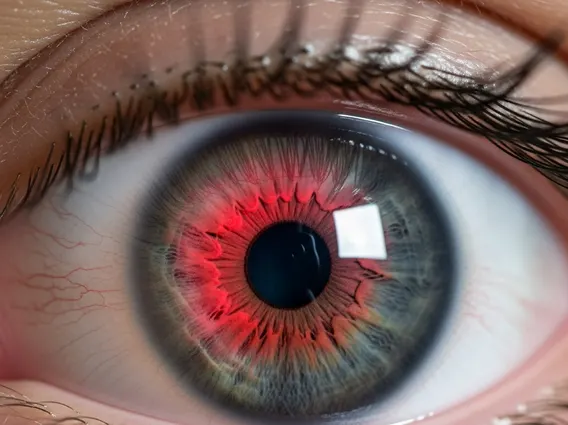
Episcleritis is a common, benign, and self-limiting inflammatory condition affecting the episclera, a thin layer of tissue located between the conjunctiva and the sclera of the eye. It typically presents as sudden redness and mild discomfort in one or both eyes.
Key Takeaways
- Episcleritis is a non-serious, self-limiting inflammation of the episclera, the outer layer of the eye’s white part.
- Symptoms include sudden eye redness, mild discomfort, and sometimes tearing or light sensitivity.
- The condition is often idiopathic, meaning its cause is unknown, but it can be associated with certain systemic inflammatory diseases.
- Treatment often involves supportive measures like artificial tears and cold compresses, as the condition typically resolves on its own within weeks.
- Episcleritis is distinct from scleritis, a more severe inflammatory condition that affects deeper eye tissues and can threaten vision.
What is Episcleritis?
Episcleritis refers to an inflammatory condition affecting the episclera, a thin, vascular layer of connective tissue situated between the conjunctiva (the clear membrane covering the white part of the eye) and the underlying sclera (the tough, white outer coat of the eyeball). This condition is characterized by a sudden onset of redness in one or both eyes, often accompanied by mild irritation or discomfort. Unlike scleritis, which involves deeper and more severe inflammation of the sclera itself, episcleritis is generally benign, self-limiting, and does not typically lead to vision impairment or serious complications. It is a relatively common condition, affecting individuals of all ages, though it is more frequently observed in young to middle-aged adults.
Episcleritis Symptoms, Causes, and Risk Factors
The primary episcleritis symptoms causes involve a distinct red patch on the white of the eye, which can be sectoral (affecting a specific area) or diffuse (more widespread). Patients often report mild tenderness to the touch, a gritty sensation, or a foreign body sensation, but significant pain is uncommon. Other symptoms may include watery eyes, mild photophobia (sensitivity to light), and sometimes a slight blurring of vision due to tearing. The redness typically appears suddenly and can be quite noticeable, often causing concern for those affected.
The exact cause of episcleritis is often idiopathic, meaning it is unknown. However, in approximately one-third of cases, it can be associated with underlying systemic conditions. These associations suggest an immune-mediated component, where the body’s immune system mistakenly targets the episcleral tissue. Associated systemic conditions include:
- Rheumatoid arthritis
- Inflammatory bowel disease (e.g., Crohn’s disease, ulcerative colitis)
- Systemic lupus erythematosus
- Gout
- Rosacea
- Herpes zoster virus infection
Risk factors for developing episcleritis include having one of these systemic inflammatory or autoimmune diseases. While it can occur at any age, it is most common in individuals between 20 and 50 years old, with a slight predilection for women. Environmental triggers or specific lifestyle factors are not consistently identified as direct causes.
Episcleritis Treatment Options and Prognosis
For many individuals, episcleritis treatment options are minimal or unnecessary, as the condition is often self-limiting and resolves on its own within one to three weeks. Supportive care is frequently sufficient to manage symptoms. This may include applying cold compresses to the affected eye to reduce inflammation and discomfort, and using artificial tears to alleviate dryness and irritation. Over-the-counter oral non-steroidal anti-inflammatory drugs (NSAIDs), such as ibuprofen, can help manage any mild pain or discomfort.
In cases where symptoms are more persistent or bothersome, an ophthalmologist may prescribe topical corticosteroid eye drops. These drops work by reducing inflammation in the episclera, leading to faster resolution of symptoms. However, their use is typically short-term due to potential side effects like increased intraocular pressure. For individuals with recurrent episcleritis or those with an identified underlying systemic disease, managing the systemic condition is crucial and may help prevent future episodes. It is important to note that episcleritis is generally not serious and rarely leads to complications or vision loss. The prognosis is excellent, with most cases resolving completely without lasting effects, although recurrences in the same or the other eye are common.