
Epigenetics
Epigenetics is a fascinating field of biology that explores how environmental and lifestyle factors can influence gene activity without altering the underlying DNA sequence. These modifications play a crucial role in cellular differentiation and an organism’s development and health.
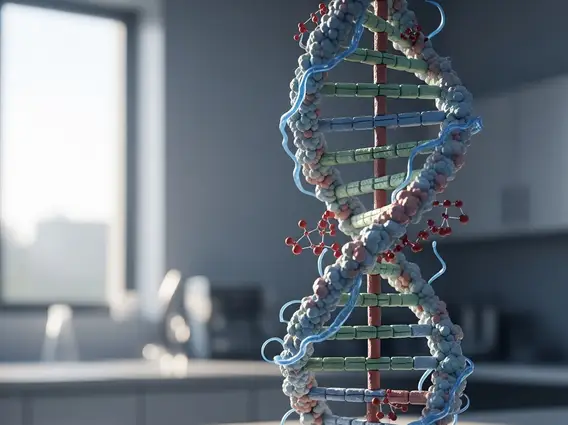
Key Takeaways
- Epigenetics involves changes in gene expression that do not modify the DNA sequence itself.
- These changes can turn genes “on” or “off,” influencing how cells function.
- Key epigenetic mechanisms include DNA methylation, histone modification, and non-coding RNAs.
- Epigenetic changes are influenced by environmental factors, lifestyle choices, and disease states.
- Understanding epigenetics is vital for comprehending development, aging, and various health conditions.
What is Epigenetics?
Epigenetics refers to the study of heritable changes in gene expression that occur without a change in the underlying DNA sequence. Unlike genetic mutations, which alter the DNA code, epigenetic modifications act like switches, determining which genes are active or inactive in a cell. This means that while every cell in an individual’s body generally contains the same DNA, epigenetics allows different cell types (e.g., skin cells, brain cells) to have specialized functions by expressing different sets of genes.
These modifications are crucial for normal development and cellular differentiation, ensuring that cells develop into their correct types and perform their specific roles. However, environmental factors such as diet, stress, and exposure to toxins can also influence these epigenetic marks, leading to changes in gene expression that may impact health and disease susceptibility over time. The dynamic nature of these changes highlights how our environment interacts with our genome.
How Epigenetics Works: Mechanisms and Gene Regulation
The intricate process of how epigenetics works involves several key molecular mechanisms that regulate gene activity. These mechanisms essentially control the accessibility of DNA to the cellular machinery responsible for transcription, thereby influencing **epigenetics and gene expression**. When genes are accessible, they can be “read” and translated into proteins; when they are inaccessible, they remain “silent.”
The primary mechanisms driving **epigenetic changes explained** include:
- DNA Methylation: This process involves the addition of a methyl group to a cytosine base in the DNA sequence, typically in regions rich in cytosine and guanine (CpG islands). Methylation often leads to gene silencing by preventing transcription factors from binding to the DNA or by recruiting proteins that condense the chromatin structure.
- Histone Modification: DNA is wrapped around proteins called histones to form chromatin. Histones can undergo various chemical modifications, such as acetylation, methylation, phosphorylation, and ubiquitination. These modifications alter how tightly the DNA is wound around the histones, making genes more or less accessible for transcription. For example, histone acetylation generally loosens chromatin, promoting gene expression, while some histone methylations can lead to gene repression.
- Non-coding RNAs (ncRNAs): These RNA molecules do not code for proteins but play significant roles in gene regulation. They can interact with DNA, messenger RNA (mRNA), and proteins to influence chromatin structure, DNA methylation, and mRNA stability, ultimately affecting gene expression. Examples include microRNAs (miRNAs) and long non-coding RNAs (lncRNAs).
These mechanisms work in concert, forming a complex regulatory network that dictates which genes are active at any given time. This dynamic regulation allows cells to adapt to internal and external cues, influencing everything from embryonic development to the progression of diseases like cancer and neurodegenerative disorders.



















