Epigenetic Alteration
Epigenetic alteration refers to heritable changes in gene expression that occur without altering the underlying DNA sequence. These modifications play a crucial role in regulating how cells read and interpret genes, influencing development, tissue differentiation, and disease.
Key Takeaways
- Epigenetic alterations are modifications to DNA or its associated proteins that affect gene activity without changing the genetic code itself.
- They are essential for normal development and cellular differentiation, allowing different cell types to express specific genes.
- Key mechanisms include DNA methylation, histone modification, and regulation by non-coding RNAs.
- These alterations are dynamic and can be influenced by environmental factors, lifestyle, and aging.
- Dysregulation of epigenetic processes is implicated in the development and progression of many diseases, including various cancers and neurological disorders.
What is Epigenetic Alteration?
An Epigenetic Alteration is a change in gene expression that does not involve modifications to the DNA sequence itself. Instead, these modifications affect how genes are “read” by the cellular machinery, determining whether they are turned on or off. This intricate regulatory system allows a single genome to produce a vast array of cell types and functions within an organism. The concept of epigenetic alteration definition encompasses these heritable changes that influence phenotype without altering the genotype.
These alterations are fundamental to biological processes, from embryonic development to aging. For instance, all cells in the body contain the same DNA, but epigenetic alterations ensure that a liver cell functions as a liver cell and a brain cell as a brain cell by selectively activating or silencing specific genes. Research indicates that epigenetic alterations are implicated in a wide array of human diseases, from neurodegenerative disorders to metabolic conditions, highlighting their pervasive impact on health. The National Institutes of Health (NIH) consistently funds research exploring the role of epigenetics in numerous chronic conditions, underscoring their significance in disease development and progression.
How Epigenetic Alterations Work
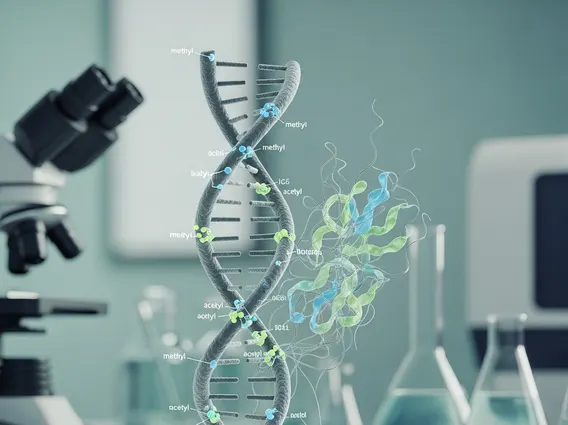
Epigenetic alterations operate through several molecular mechanisms that modify chromatin structure, making genes more or less accessible for transcription. These mechanisms do not alter the sequence of nucleotides (A, T, C, G) in DNA but rather add or remove chemical tags to DNA or to the histone proteins around which DNA is wrapped. The collective impact of these modifications dictates the gene expression profile of a cell.
The intricate interplay of these modifications ensures precise control over gene activity. For example, when a gene needs to be expressed, epigenetic marks might promote an open chromatin structure, making the DNA accessible to transcription factors. Conversely, if a gene needs to be silenced, marks might induce a compact chromatin structure, effectively “locking” the gene away. This dynamic regulation is crucial for cellular adaptation and response to environmental cues. Understanding Epigenetic changes explained reveals how these molecular switches profoundly influence cellular identity and function.
Types of Epigenetic Alterations
Several distinct molecular mechanisms contribute to epigenetic alterations, each playing a critical role in gene regulation. These mechanisms often interact in complex ways to fine-tune gene expression. The primary types include:
- DNA Methylation: This involves the addition of a methyl group to a cytosine base, typically in CpG dinucleotides. High levels of methylation in gene promoter regions usually lead to gene silencing, while demethylation can activate gene expression.
- Histone Modification: DNA is wrapped around proteins called histones to form chromatin. Histones can undergo various modifications, such as acetylation, methylation, phosphorylation, and ubiquitination. These modifications alter the accessibility of DNA to transcription factors; for example, histone acetylation generally loosens chromatin, promoting gene expression, while some forms of histone methylation can condense chromatin and repress gene expression.
- Non-coding RNA (ncRNA) Regulation: Various types of non-coding RNAs, such as microRNAs (miRNAs) and long non-coding RNAs (lncRNAs), can influence gene expression by interacting with DNA, mRNA, or proteins. They can lead to mRNA degradation, inhibit translation, or recruit chromatin-modifying enzymes to specific genomic regions, thereby affecting gene transcription.
These types of epigenetic alterations are not static; they are dynamic and can be influenced by a variety of factors, including diet, exposure to toxins, stress, and aging. Their reversibility makes them attractive targets for therapeutic interventions in diseases where epigenetic dysregulation is a contributing factor.