Diaphragm
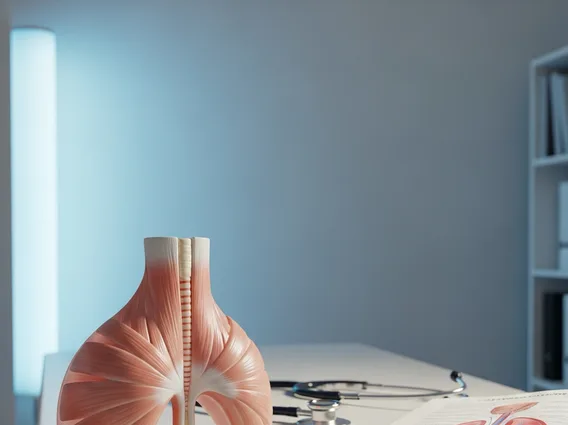
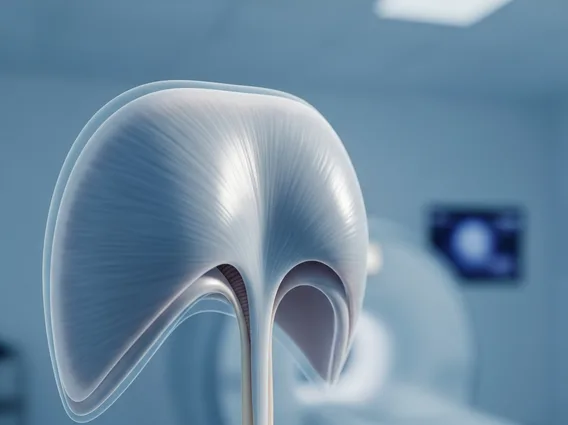
The Diaphragm is a crucial dome-shaped muscle located at the base of the chest, separating the thoracic cavity (containing the heart and lungs) from the abdominal cavity. It plays an indispensable role in the human respiratory system, facilitating the process of breathing.
Key Takeaways
- The Diaphragm is the primary muscle of respiration, situated between the chest and abdomen.
- Its contraction and relaxation are essential for inhaling and exhaling air.
- It forms a physical barrier, protecting the lungs and heart while supporting abdominal organs.
- Beyond breathing, it assists in various bodily functions like coughing, sneezing, and maintaining abdominal pressure.
- Understanding its function is key to comprehending human respiratory mechanics.
What is the Diaphragm? Location and Structure
The Diaphragm is a large, thin sheet of skeletal muscle that forms the floor of the thoracic cavity and the roof of the abdominal cavity. Its unique anatomical position and structure are fundamental to its role. This vital muscle is centrally located, extending from the sternum (breastbone) in the front, around the lower ribs on the sides, and attaching to the lumbar vertebrae (lower spine) at the back. Its dome-like shape is characteristic, with the central part being a strong, fibrous sheet called the central tendon, to which the muscle fibers attach.
The diaphragm location and purpose are intrinsically linked. Positioned strategically, it acts as a physical barrier, preventing the upward displacement of abdominal organs into the chest cavity while also providing a stable base for the lungs. It contains several openings, or hiatuses, which allow for the passage of important structures such as the esophagus, aorta, and inferior vena cava between the chest and abdomen. This intricate structure enables it to perform its primary function while accommodating other vital bodily systems.
How the Diaphragm Works for Breathing and Other Functions
The primary diaphragm muscle function in humans is respiration. The process of breathing is largely involuntary and relies heavily on the rhythmic contraction and relaxation of this muscle. When the diaphragm contracts, it flattens and moves downwards, increasing the vertical dimension of the thoracic cavity. This expansion creates a negative pressure within the lungs, drawing air in from the atmosphere—a process known as inhalation.
Conversely, during exhalation, the diaphragm relaxes and moves upwards, returning to its dome shape. This reduces the volume of the thoracic cavity, increasing the pressure within the lungs and forcing air out. While quiet breathing is primarily driven by the diaphragm, accessory muscles may assist during strenuous activity or respiratory distress. This coordinated action demonstrates precisely how the diaphragm work for breathing, acting as a piston to regulate airflow.
Beyond its essential role in respiration, the diaphragm contributes to several other physiological processes. Its ability to generate pressure changes within the abdominal and thoracic cavities is leveraged for various functions:
- Coughing and Sneezing: Rapid, forceful contractions help expel irritants from the airways.
- Vomiting: Coordinated contractions assist in expelling stomach contents.
- Defecation and Urination: Increasing intra-abdominal pressure aids in these excretory processes.
- Childbirth: Bearing down efforts during labor involve diaphragmatic contraction to increase abdominal pressure.
- Maintaining Posture: It contributes to core stability and trunk support.
These diverse functions highlight the diaphragm’s critical importance beyond just breathing, showcasing its versatility as a key muscle in overall human physiology.