Diagnostic Technique
A Diagnostic Technique refers to any method or procedure used in medicine to identify the nature and cause of a disease or condition. These techniques are fundamental to modern healthcare, enabling clinicians to make informed decisions regarding patient care and treatment.

Key Takeaways
- Diagnostic techniques are essential medical procedures used to identify diseases or conditions.
- They encompass a wide range of methods, including laboratory tests, medical imaging, and functional assessments.
- These techniques work by detecting specific biomarkers, structural abnormalities, or physiological changes within the body.
- Accurate and timely diagnosis through these methods is crucial for effective treatment planning and improving patient outcomes.
- Their clinical importance lies in guiding therapy, monitoring disease progression, and supporting preventive health strategies.
What is a Diagnostic Technique?
A Diagnostic Technique is a specialized procedure or test employed by healthcare professionals to accurately identify the presence, nature, and extent of a disease or medical condition. These techniques are critical for understanding a patient’s health status, guiding treatment strategies, and monitoring the effectiveness of interventions. They operate by analyzing various aspects of the body, from cellular and molecular levels to organ systems and overall physiological function, providing objective data that complements clinical observations and patient history.
The primary goal of any diagnostic technique is to provide precise and reliable information that leads to a definitive diagnosis. This process helps differentiate between various conditions that may present with similar symptoms, thereby preventing misdiagnosis and ensuring that patients receive appropriate and timely care. The evolution of these techniques has significantly advanced medical practice, allowing for earlier detection of diseases and more personalized treatment approaches.
Types of Medical Diagnostic Techniques
The field of medicine utilizes a vast array of types of medical diagnostic techniques, each designed to investigate different aspects of human health. These techniques can generally be categorized based on the type of information they provide and the methods they employ. Understanding these categories helps in appreciating the comprehensive approach to diagnosing complex conditions.
- Laboratory Tests: These involve analyzing samples of blood, urine, tissue, or other bodily fluids. Examples include complete blood counts, urinalysis, biopsy analysis, genetic testing, and microbiology cultures to detect infections.
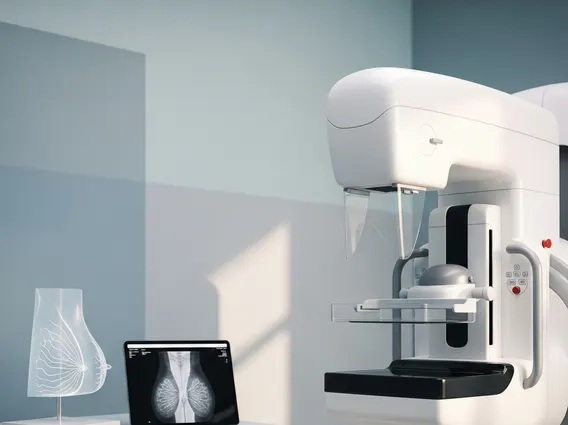
- Medical Imaging: These techniques create visual representations of the inside of the body. Common examples are X-rays, Computed Tomography (CT) scans, Magnetic Resonance Imaging (MRI), ultrasound, and Positron Emission Tomography (PET) scans, which help visualize organs, bones, and tissues.
- Functional and Physiological Tests: These assess the function of specific organs or systems. Examples include Electrocardiograms (ECG) for heart activity, Electroencephalograms (EEG) for brain activity, spirometry for lung function, and nerve conduction studies for neurological assessment.
- Endoscopy: Involves inserting a thin, flexible tube with a camera into the body to visualize internal organs directly. Procedures like colonoscopy, gastroscopy, and bronchoscopy fall into this category, often allowing for biopsies during the examination.
How Diagnostic Techniques Work and Their Clinical Importance
The mechanisms of how diagnostic techniques work vary widely but generally involve detecting specific indicators of disease. For instance, laboratory tests identify biomarkers such as elevated enzyme levels, presence of pathogens, or genetic mutations. Imaging techniques, on the other hand, utilize different forms of energy (like X-rays, magnetic fields, or sound waves) to create detailed images that reveal structural abnormalities, tumors, or inflammation. Functional tests measure physiological responses, such as electrical impulses in the heart or brain, to identify deviations from normal function.
The importance of diagnostic techniques in clinical practice cannot be overstated. They are the cornerstone of effective patient management, enabling healthcare providers to:
- Accurate Diagnosis: Pinpoint the exact disease or condition, distinguishing it from others with similar symptoms.
- Treatment Guidance: Inform the selection of the most appropriate and effective treatment plan, tailored to the specific diagnosis.
- Disease Monitoring: Track the progression of a disease over time and assess the efficacy of ongoing treatments, allowing for adjustments as needed.
- Prognosis Assessment: Provide insights into the likely course and outcome of a disease, aiding in patient counseling and care planning.
- Preventive Screening: Identify diseases at early, often asymptomatic stages, when interventions are most effective. For example, according to the World Health Organization (WHO), early diagnosis and screening programs for certain cancers significantly improve survival rates and reduce mortality.
Ultimately, these techniques empower medical professionals to deliver precise, timely, and personalized care, leading to improved health outcomes and enhanced quality of life for patients globally.