Patient Controlled Analgesia
Patient Controlled Analgesia (PCA) is an advanced method of pain management that empowers patients to self-administer pain medication as needed. This approach offers a personalized and responsive way to control discomfort, particularly in post-operative care or for chronic pain conditions.
Key Takeaways
- PCA allows patients to self-administer pain medication safely within pre-set limits.
- It provides personalized pain control, often leading to greater patient satisfaction and reduced anxiety.
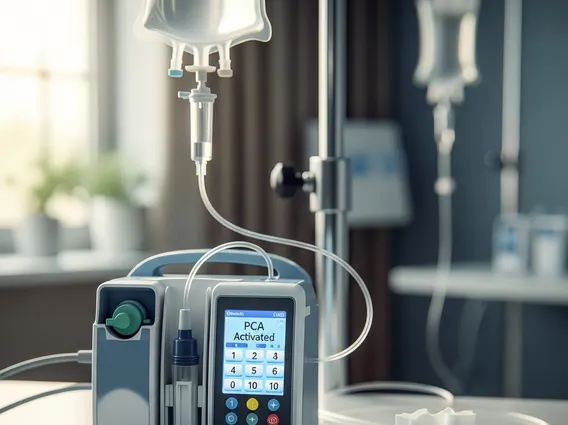
- The system uses an intravenous pump with a button, delivering medication only after a specified lockout interval.
- Common side effects include nausea, itching, drowsiness, and constipation.
- Effective use of PCA requires proper patient education and continuous monitoring by healthcare professionals.
What is Patient Controlled Analgesia?
What is Patient Controlled Analgesia? It is a method of pain relief that gives patients direct control over the administration of their analgesic medication, typically opioids. This system involves a specialized pump connected to an intravenous (IV) line, allowing the patient to press a button to deliver a pre-programmed dose of medication. This technique is widely used in hospitals, particularly after surgery, to manage acute pain, and sometimes for chronic pain or cancer-related pain. The core principle is to provide pain relief quickly and effectively, tailored to the individual’s fluctuating pain levels, thereby improving comfort and recovery.
Unlike traditional pain management where medication is administered by nursing staff on a fixed schedule or upon request, PCA puts the patient in charge. This autonomy can significantly reduce anxiety associated with waiting for pain relief and allows for more consistent pain control. The medication is delivered in small, frequent doses, which helps maintain a steady level of pain relief and avoids the peaks and troughs of pain often experienced with less flexible dosing schedules.
How PCA Works and Its Advantages
How patient controlled analgesia works involves a sophisticated pump system designed for safety and efficacy. When a patient feels pain, they press a button connected to the PCA pump. This action delivers a small, pre-determined dose of medication, usually an opioid, directly into their bloodstream via an intravenous line. To prevent overdose, the pump is programmed with a “lockout interval,” which is a period during which no additional medication can be delivered, even if the button is pressed again. There is also a maximum dose limit over a set period (e.g., four hours) to ensure patient safety.
The benefits of patient controlled analgesia are numerous, contributing to improved patient outcomes and satisfaction. This method allows for immediate pain relief, as the patient does not have to wait for a nurse to administer the medication. This responsiveness can lead to better pain control and a reduction in overall pain intensity. According to the World Health Organization (WHO), effective pain management is a fundamental human right and a critical component of quality patient care, with methods like PCA significantly contributing to achieving this goal by empowering patients. Other advantages include:
- Personalized Pain Control: Patients can adjust medication delivery to match their individual pain threshold and fluctuating needs.
- Reduced Anxiety: Knowing they can control their pain often lessens patient anxiety and fear of pain recurrence.
- Lower Overall Medication Use: Some studies suggest that patients using PCA may use less medication overall compared to traditional methods, as they only take what they need.
- Improved Mobility and Recovery: Better pain control can facilitate earlier mobilization, deep breathing, and coughing, which are crucial for preventing post-operative complications like pneumonia.
- Increased Patient Satisfaction: The sense of control and effective pain relief typically leads to higher patient satisfaction with their care experience.
Potential Side Effects of PCA
While Patient Controlled Analgesia side effects are generally manageable, it is important for patients and healthcare providers to be aware of them. Since PCA typically involves opioid medications, the side effects are similar to those experienced with other forms of opioid administration. Healthcare professionals closely monitor patients receiving PCA to promptly identify and manage any adverse reactions, ensuring the patient’s safety and comfort.
Common side effects associated with PCA include:
- Nausea and Vomiting: These are frequently reported side effects of opioid medications.
- Itching (Pruritus): Often experienced, particularly with certain opioids, and can be managed with anti-itch medications.
- Drowsiness or Sedation: Patients may feel sleepy or lethargic, which is a common effect of pain medications.
- Constipation: Opioids can slow down bowel movements, leading to constipation, which is often managed with laxatives.
- Dizziness or Lightheadedness: Especially when changing positions too quickly.
- Respiratory Depression: This is a rare but serious side effect where breathing becomes dangerously slow or shallow. PCA pumps are designed with safety limits and continuous monitoring to minimize this risk.
Patients are educated on how to use the PCA device and what side effects to report. Regular assessment of pain levels, sedation, and vital signs by nursing staff is crucial to ensure the safe and effective use of PCA, allowing for prompt adjustments to medication or supportive care if needed.