
Partial Parenteral Nutrition
Partial Parenteral Nutrition (PPN) is a medical intervention designed to provide essential nutrients intravenously when a patient cannot meet their nutritional needs through oral intake or enteral feeding alone. It serves as a crucial supportive therapy in various clinical settings.
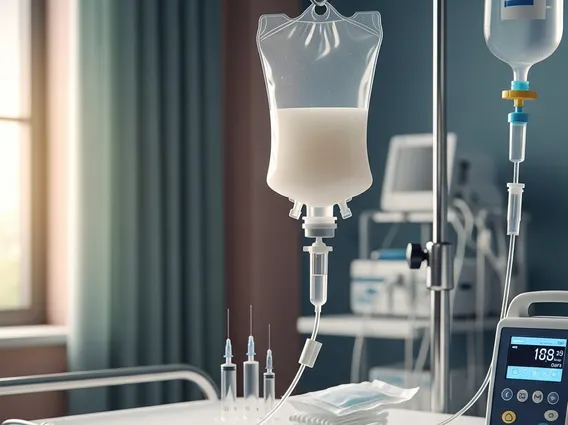
Key Takeaways
- Partial Parenteral Nutrition definition: PPN delivers a portion of a patient’s daily nutritional requirements intravenously, typically through a peripheral vein.
- It is indicated when oral or enteral feeding is insufficient or contraindicated, but the gastrointestinal tract can still tolerate some intake.
- PPN provides essential macronutrients (carbohydrates, amino acids, fats) and micronutrients (vitamins, minerals).
- The primary Partial parenteral nutrition uses include short-term nutritional support or as a bridge to full enteral or total parenteral nutrition.
- Benefits of partial parenteral nutrition include a lower risk of central line complications compared to Total Parenteral Nutrition (TPN) and support for gut integrity.
What is Partial Parenteral Nutrition?
What is partial parenteral nutrition? It is a form of intravenous nutritional support that delivers a part of a patient’s daily caloric and nutrient requirements directly into the bloodstream. Unlike Total Parenteral Nutrition (TPN), which provides all nutritional needs, PPN is designed to supplement, rather than entirely replace, oral or enteral intake. The primary Partial parenteral nutrition definition emphasizes its partial nature, meaning patients receiving PPN often still consume some nutrients via the gastrointestinal tract. This approach helps maintain gut function and reduces the risks associated with complete bowel rest.
PPN solutions typically contain a balanced mix of macronutrients, including dextrose (carbohydrates), amino acids (proteins), and sometimes lipids (fats). They also include essential micronutrients such as vitamins, electrolytes, and trace elements, tailored to the individual patient’s specific needs. Administration is usually through a peripheral vein, which is less invasive than the central venous access required for TPN, thereby reducing certain procedural risks. This method is often preferred for shorter durations or when the patient’s nutritional deficit is not severe enough to warrant full TPN.
When is PPN Indicated?
The decision to initiate PPN is based on a comprehensive assessment of a patient’s nutritional status and their ability to tolerate oral or enteral feeding. Partial parenteral nutrition uses are typically considered in situations where the gastrointestinal tract is partially functional but cannot fully meet the patient’s nutritional demands, or when full enteral feeding is temporarily interrupted or insufficient. It is often employed for short-term nutritional support, usually for less than two weeks, or as a transitional therapy.
Common clinical scenarios where PPN may be indicated include:
- Patients with mild to moderate malnutrition who are unable to eat adequately for a few days.
- Post-operative patients experiencing temporary ileus or intolerance to enteral feeds.
- Patients transitioning from TPN to full enteral or oral feeding.
- Individuals with certain inflammatory bowel conditions or short bowel syndrome, where some gut function remains but is insufficient.
- As a supplement for patients with increased metabolic demands due to illness or injury, who cannot meet these demands through other means.
According to general healthcare literature on hospital malnutrition, a significant percentage of hospitalized patients experience some degree of malnutrition, making nutritional interventions like PPN vital for recovery and improved outcomes.
Benefits of Partial Parenteral Nutrition
The Benefits of partial parenteral nutrition are multifaceted, offering a safer and often more practical alternative to TPN in appropriate clinical contexts. One of the most significant advantages is the reduced risk of complications associated with central venous access. Since PPN can often be administered through a peripheral vein, it avoids the need for a central line, thereby lowering the incidence of catheter-related bloodstream infections, pneumothorax, and other serious complications inherent to central line placement.
Furthermore, PPN helps in maintaining gut integrity. By allowing for some oral or enteral intake, it prevents complete disuse of the gastrointestinal tract, which can lead to mucosal atrophy and increased gut permeability. This preservation of gut function is crucial for preventing bacterial translocation and supporting the immune system. PPN also offers flexibility in nutritional management, allowing clinicians to adjust the level of intravenous support as the patient’s oral or enteral intake improves. This adaptability makes it an effective bridge therapy, facilitating a smoother transition back to conventional feeding methods and contributing to better overall patient recovery and reduced hospital stays.



















